Photographer takes 'America's very worst vacation' through 37 prisons
B.A. Van Sise asked about 200 incarcerated people for their earliest memories and left every conviction out of the captions.

B.A. Van Sise asked about 200 incarcerated people for their earliest memories and left every conviction out of the captions.
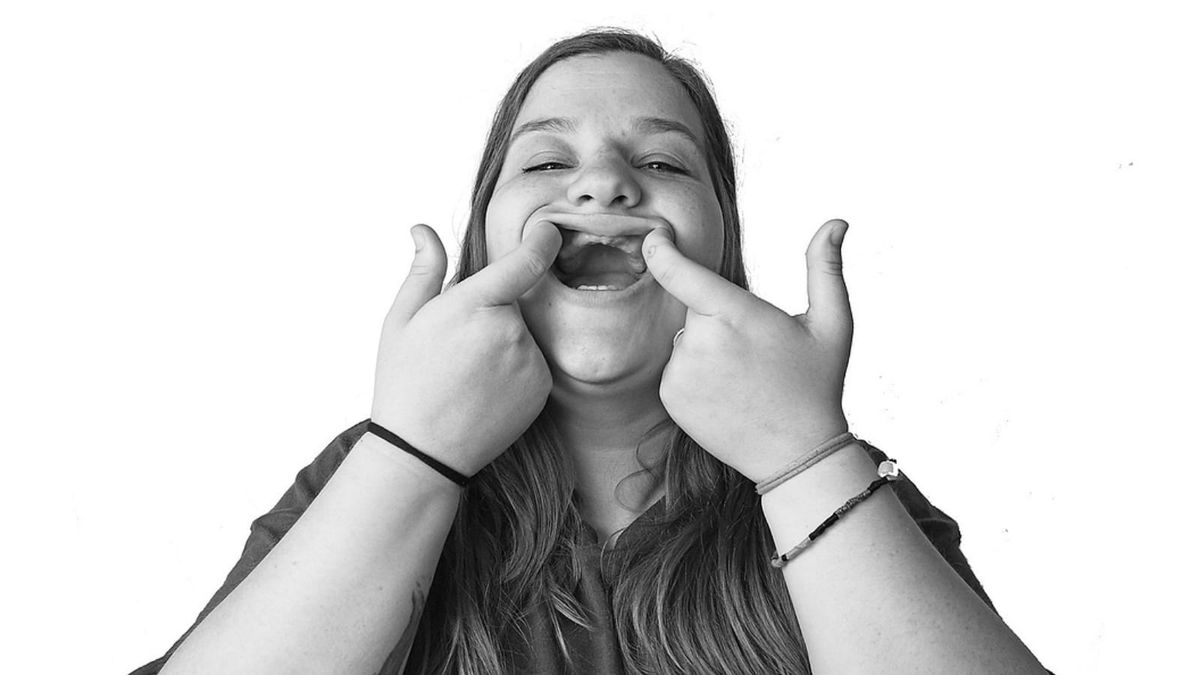
The first person B.A. Van Sise sat down with for his prison portrait project had been locked up for 43 years. Asked for his earliest memory, the man answered with a "winding yarn about fishing on the Mississippi with his grandfather," Van Sise told Urgent Matter on Sunday.
Van Sise went on to ask the same question of about 200 people in 37 prisons in 17 states, on what he called "America's very worst vacation," for a project titled "Land of the Free." He never asked what any of them had done.
At night, from a hotel up the road from each prison, he looked up their records.
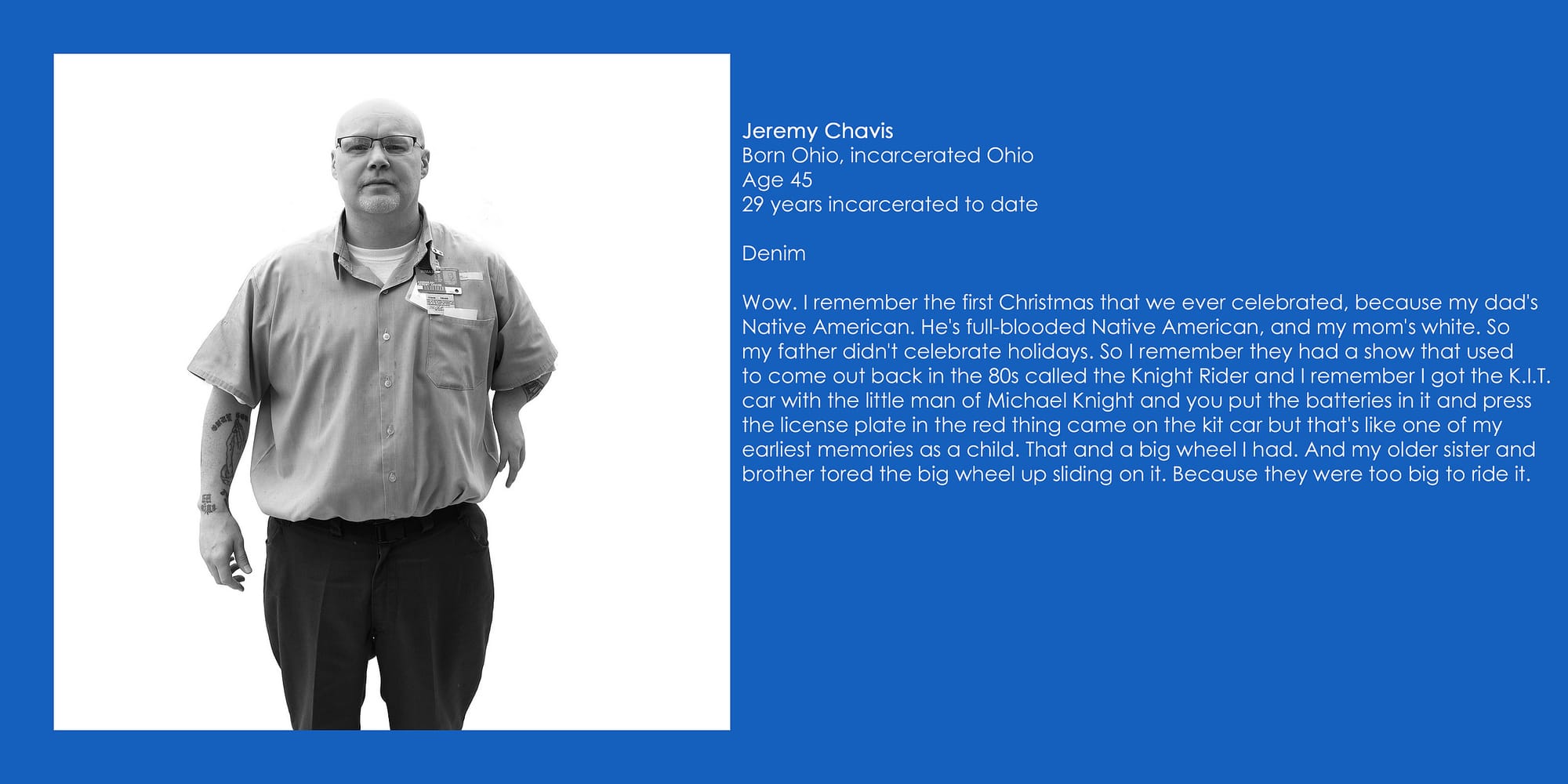
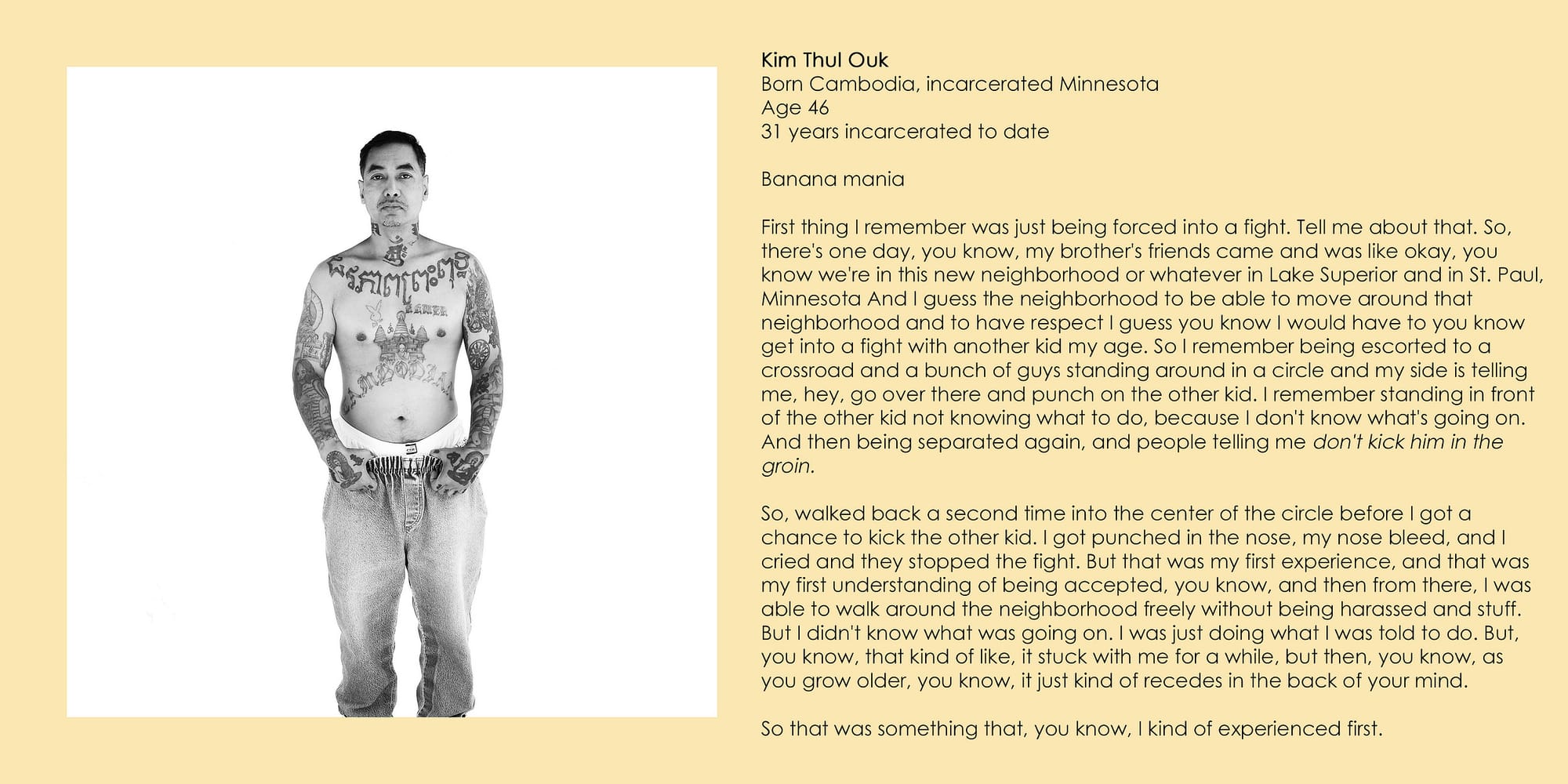
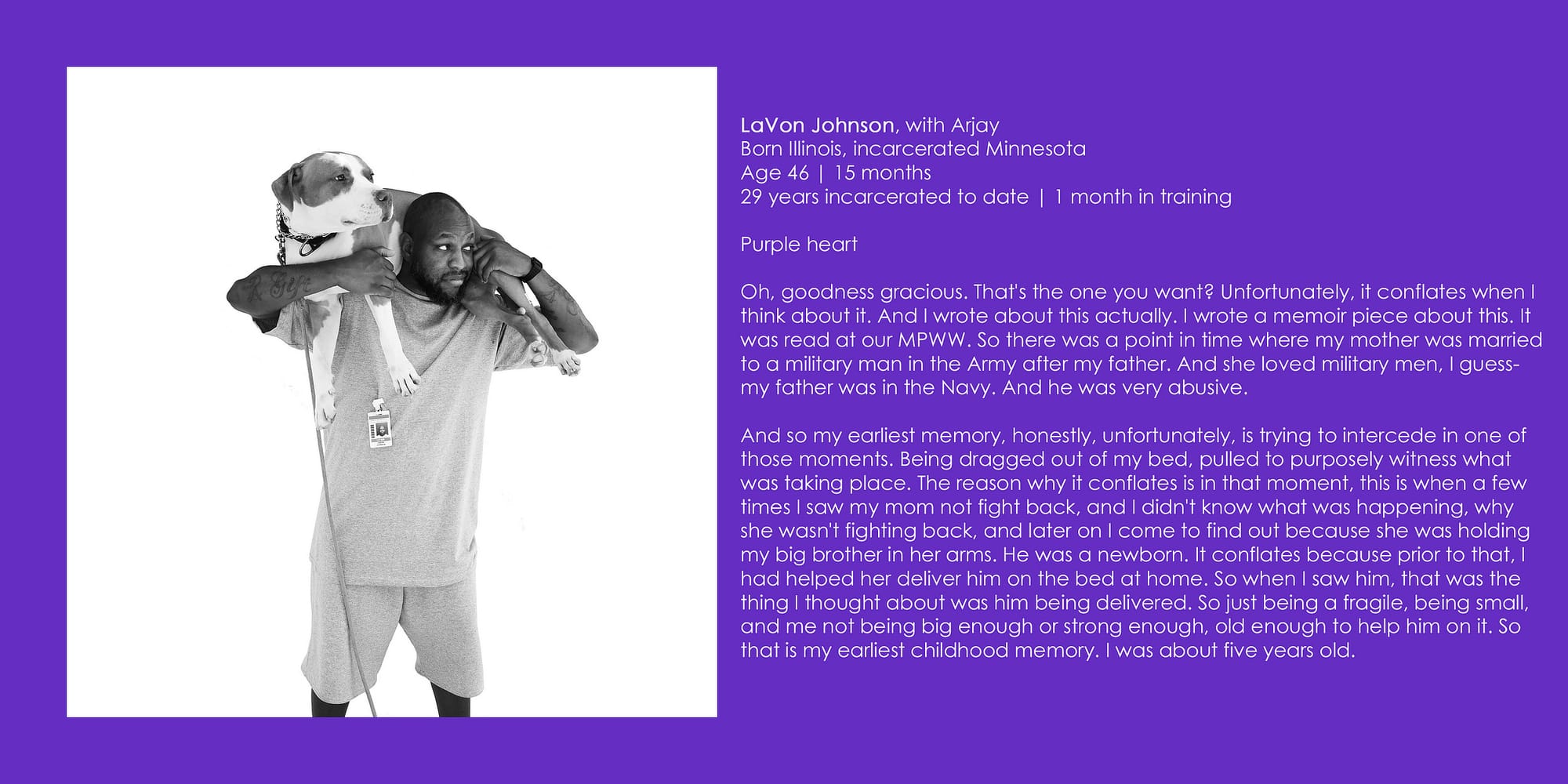
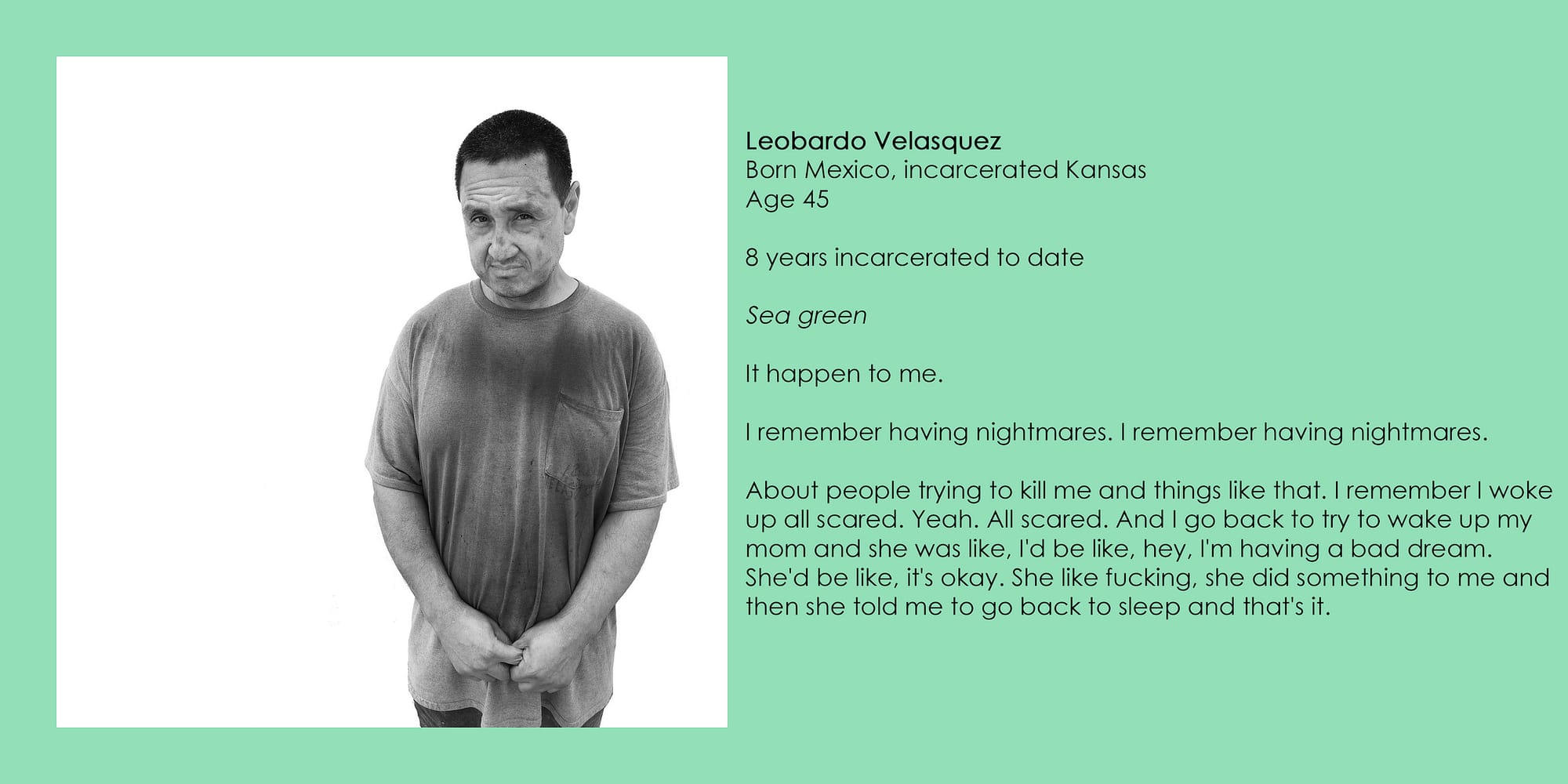
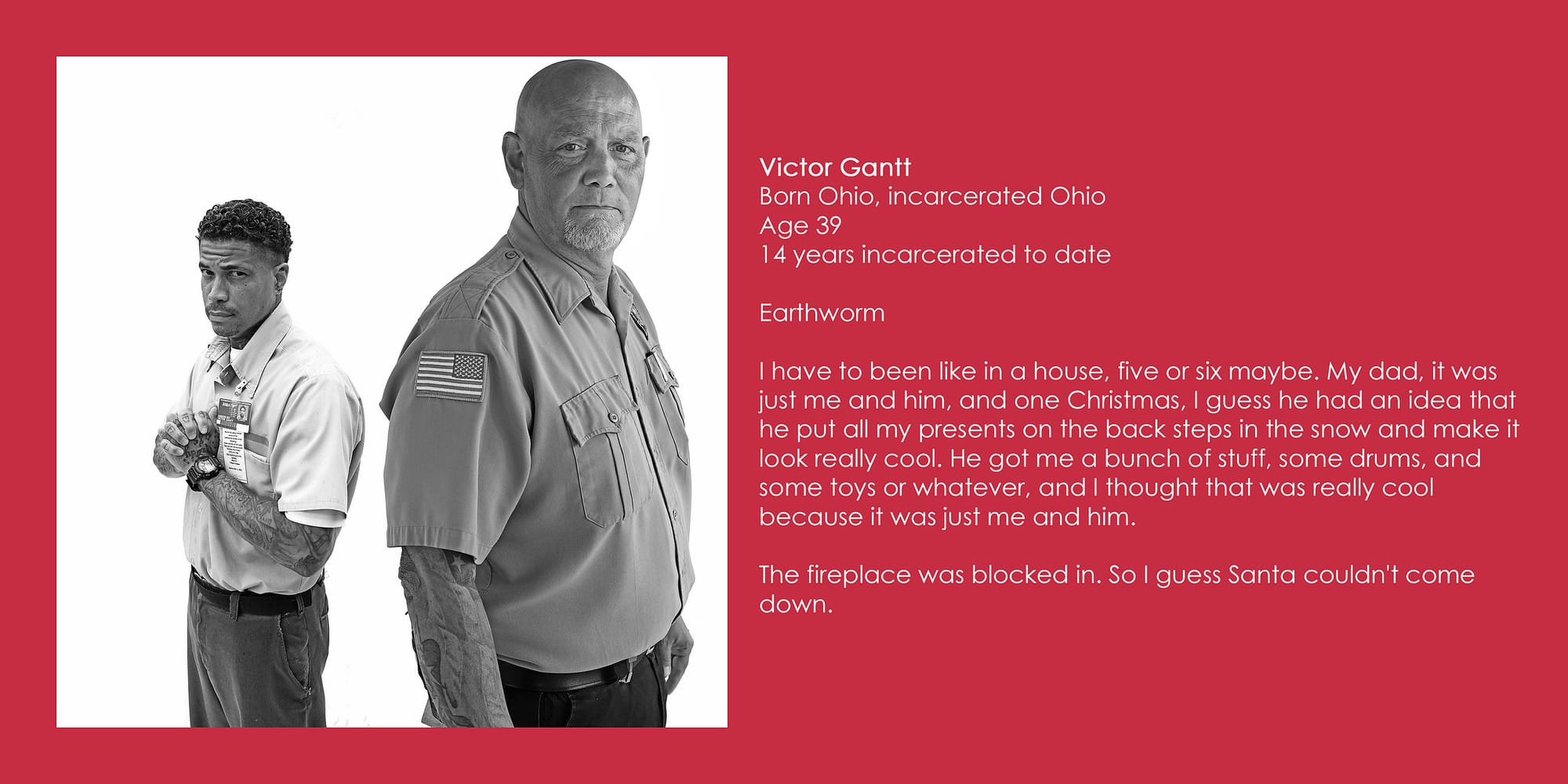
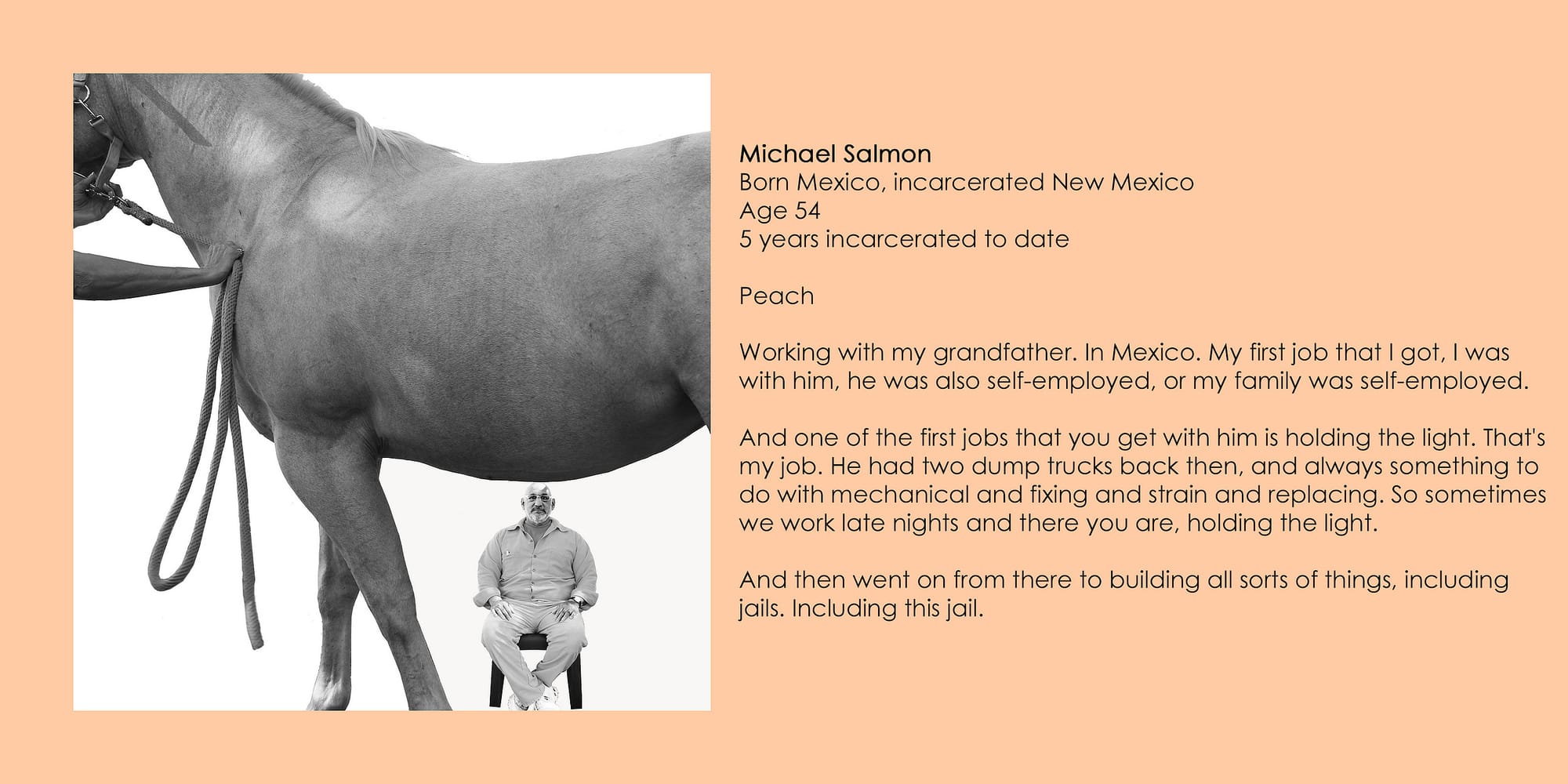
On his website, the text beside each portrait lists where the person was born, how old they are and how long they have been incarcerated. Each image is surrounded by a color of their choosing, selected from a box of crayons. The name of the color they selected is also listed.
“Every prison I went into, I had a box—a tub, really—of crayons made by a company that does not want me to name them in my prison project,” he said. “So it’s definitely not a company that you would guess makes crayons, that also, when I asked them for funding, would not give me any payola of any kind.”
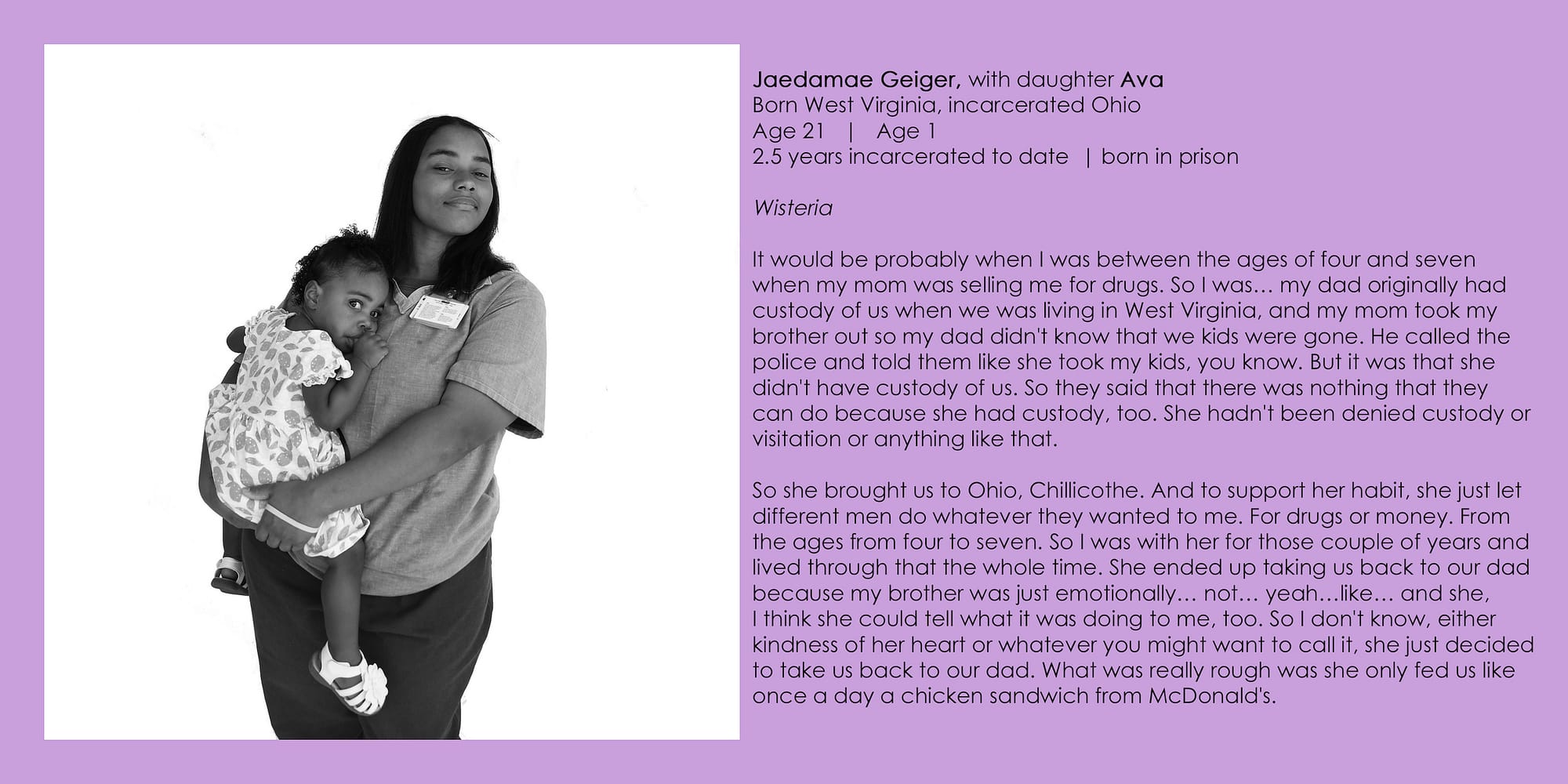
Most people chose some variation of their prison uniform's color, he said. In one prison with orange uniforms, a man who made a foulard out of his prison towel picked royal purple because he was certain his ancestors were kings.
Each entry ends with the prisoner’s reply to "What is your earliest memory?"
The captions do not say what anyone did. "None of us are summed by our worst acts," Van Sise wrote in the introduction to the planned book around the project, which he sent to Urgent Matter. He has also penned a first-person essay for PetaPixel about the project.
Half of the people in it are serving life sentences, and five are on death row, he wrote in the planned book’s introduction.
Van Sise saved the question for the end of each interview, like the TV detective Columbo. The idea came from Invited to Life, his book on Holocaust survivors, almost all of whom named arriving at or leaving Auschwitz as their first memory, he said.
He said he went into each interview "as ignorant as a mushroom," without knowing the person's name, crime, or sentence and never felt unsafe inside.
"I will say that there are moments of absolute horror," he said of the nights at the hotel.
One woman asked him out on a date during their interview. Back at the hotel, he read that she had killed her baby during postpartum psychosis and had gone to prison at 19.
"And I sat in my hotel room, and I cried and cried," Van Sise said.
He found that a man he liked and called "so charming" had raped his infant daughter to death. "And I cried and cried again," he said.
"It became so obvious to me that some of them were the biggest monsters I'll meet in my life. They should be under the prison, and some are not criminals," he said. Some, he said, were people the wardens themselves did not think belonged in prison.
Van Sise said he is releasing the project now because of "conversations about prison in America at this moment." He pointed to California Gov. Gavin Newsom's announcement Thursday that he would change all 548 death sentences in the state to life in prison without parole.
The California Supreme Court must first weigh in on 382 of those cases, involving people convicted of more than one felony, and the commutations will not take effect until those steps are complete. The book will include writing by people currently on death row, Van Sise said.
He also pointed to postpartum psychosis and the Massachusetts murder case against Lindsay Clancy, who pleaded not guilty to killing her three children.
"Honest to God, I think half of the women I sat down with in prison were there for some variety of postpartum psychosis," he said.
He estimated about 75% of the people he interviewed had a direct line from drug use to prison and said he "could have called" the project "Don't Do Drugs." Almost everyone who sat for him was enrolled in a prison education program, he said.
Van Sise said he knew from the start that naming each person, first and last, was the project's weak point. "In the world of Google, every sentence is a life sentence, right?" he said.
He said he cannot stop viewers from searching the names "any more than an employer can do it, any more than a leasing agent can do it."
"But I hope they won't," he said. Of the idea that prison pays a debt to society, he said, "If we're going to keep up that polite fiction, then we should keep it up."
He said he is haunted by some of the people he met. "It has aged me, and I don't think necessarily that I would want folks to volunteer for it themselves," he said.
Van Sise said he also did the searches to be ready for the questions he expects.
"The laziest reporter in the world is going to, one day down the road, when the exhibition goes or the book comes up, say, ‘Well, don't you feel you're glorifying rapists and murderers?’" he said.
"We got a lot of folks who thought that we were endorsing fascism," he said of "The Future Was Then: The Changing Face of Fascist Italy," a Poster House show he curated that Urgent Matter previously reported on.
The prison project began as portraits of disabled veterans. Van Sise, a veteran himself, said most of the first 15 or 20 he met through the Disabled American Veterans had gone to prison, so he changed course.
He said he started about two and a half years ago and that getting in was "monstrously difficult." Prisons in 28 states gave tentative approval, but many fell through because he needed sign-off from an education director, a deputy warden, a warden, the director of prisons and usually the governor.
"I've got actually a lot of signed paperwork signed by actual governors of states saying, yes, B.A. can come in and do this," he said.
Louisiana and New Mexico came first, and education directors in those states vouched for him with their counterparts elsewhere, he said.
He said prisons usually have no reason to admit journalists or cameras because there's nothing in it for them. He brought a white sheet, two stands and clamps, and the portraits do not show the facilities.
"I was stripping myself of the ability to make the prison look bad," he said.
Some prisons "looked absolutely positively like how on earth," he said, naming Indiana. Others, in New Hampshire and Maine, looked "kind of like just a high school you can't leave."
"You can't help but notice that the population of the prison is overwhelmingly Black," he said of prisons in the South. In Maryland, almost all of the prisoners, corrections officers and wardens were Black, he said.
He began there with people from the Louisiana State Penitentiary at Angola who had just been granted parole. The shortest sentence among them was about 20 years, the median about 40, he said, and they were taking classes to learn what a cell phone was.
"You can't imagine a more electric and terrifying environment than people who've been imprisoned for decades and are about to be on the outside," he said.
Van Sise said he got in legal trouble as a young man and nearly went to prison. A probation officer saved him after a narcotics arrest, his website says.
He said he arrived believing "these folks are a lot like me." After Louisiana, he "went, oh, no, they're not."
About 90% of the interviews were unsupervised, he said, with no prison cameras, corrections officers or wardens watching him. Two prisons put him in a public area where onlookers yelled around him.
"If you're trying to conduct a private interview, having 40 people hollering at you while you're doing it tends to muck up the process a little bit," he said.
He said he took almost all the portraits while telling people he was still setting up.
"Hey, I'm just figuring out the light, just sit and be yourself for a second until I get this figured out," he said he told them. "Now, I've been making photographs for 27 years professionally. I know what the fucking light looks like."
When he announced an actual photo, he said, "people would default to mugshot." The warden at New Hampshire's women's prison caught on and went looking for more people to sit for him.
Van Sise keeps a phrenology head in his studio, one of the mannequins used in the discredited 19th-century practice “to determine criminality by looking at somebody."
“No, you can’t really tell that someone’s a criminal based on the way that they look. For the most part,” he said.
“So the only thing that I will give to, the sense of phrenology in American incarceration in the year 2026 is, drugs cause imprisonment, drugs cause criminality and imprisonment, and drugs also cause a lack of teeth,” he said.
Van Sise said he can now pick out people who have served time when he goes to a restaurant or a store. “I will say that prison will affect what you look like,” he said.
In his photos, Van Sise said he often focused on tattoos because "it's one of the very limited ways a person can have individuality within a prison." One woman who worked in an office and killed a pedestrian while driving drunk covered herself in visible tattoos after arriving, for fear of looking like a mark, he said.
His book introduction puts the number of Americans in prison at "just shy of two million," counting state and federal prisons, local jails, juvenile facilities, immigration detention and jails in Indian country.
The Bureau of Justice Statistics counted 1,254,200 people in state and federal prisons at the end of 2023 and 658,700 in local jails at midyear 2024.
Van Sise told Urgent Matter the country has more people in prison than police officers, firefighters or members of the military. His introduction lists 1.32 million active-duty military members, more than the state and federal prison count alone.
He said the New York State Council on the Arts and the Phillip and Edith Leonian Foundation funded the project.
The New York Foundation for the Arts, which Van Sise named as the project's sponsor in an email to Urgent Matter, lists him among its fiscally sponsored council grantees for fiscal 2026 for "Memory Palace," the title that appears on the project's web page.
Van Sise said travel alone cost about $38,000 and that he is probably still "a little bit in the red."
He said a national museum and a curator worked with him through the project until the museum's board dropped the planned exhibition "at the 11th hour" after the November 2024 election.
He did not name either and said neither did anything wrong. He called the museum a huge national-level museum. Urgent Matter has not independently confirmed his account.
He said the election "changed, in a real way, who gets funding" from certain government grant organizations and that "a lot of museums got a little jumpy."
The board's worry, he said, was whether it risked that money by showing a project that presents people "not necessarily in a positive light, but not a negative one."
"Hey, thanks, we love it, we like B.A. We like the project, etc, but we are absolutely scared out of our minds about losing our millions of dollars of funding, so we are gonna have to maybe not do this," Van Sise said, recounting the board's response.
 Adam Schrader
He said he expects another museum to take the show, especially because there have been other elections since and the nation's mood has recently changed. A publisher he works with regularly has offered to do the book, he said.
"There'll be a book, there'll be a show, I'm not worried about that. It's just a matter of which curator is interested in the underlying humanity of folks we do not tend to humanize," he said.
He said he is not going to any more prisons.
"There's a certain amount of time you can spend in prison that will begin to corrode you," he said.
He said he ended in Hawaii after sitting down with a man named Silas Valdez. "He's a great stopping point for this," he said. Van Sise did not give a date for the book or the exhibition.
Urgent Matter is reader-supported. Please consider subscribing to support independent arts journalism.