Ilse Bing exhibition at Chrysler Museum traces an artist remade by exile
The exhibition opened on June 5 in Norfolk and remains on view through October 18 with about 40 works by Ilse Bing.

The exhibition opened on June 5 in Norfolk and remains on view through October 18 with about 40 works by Ilse Bing.
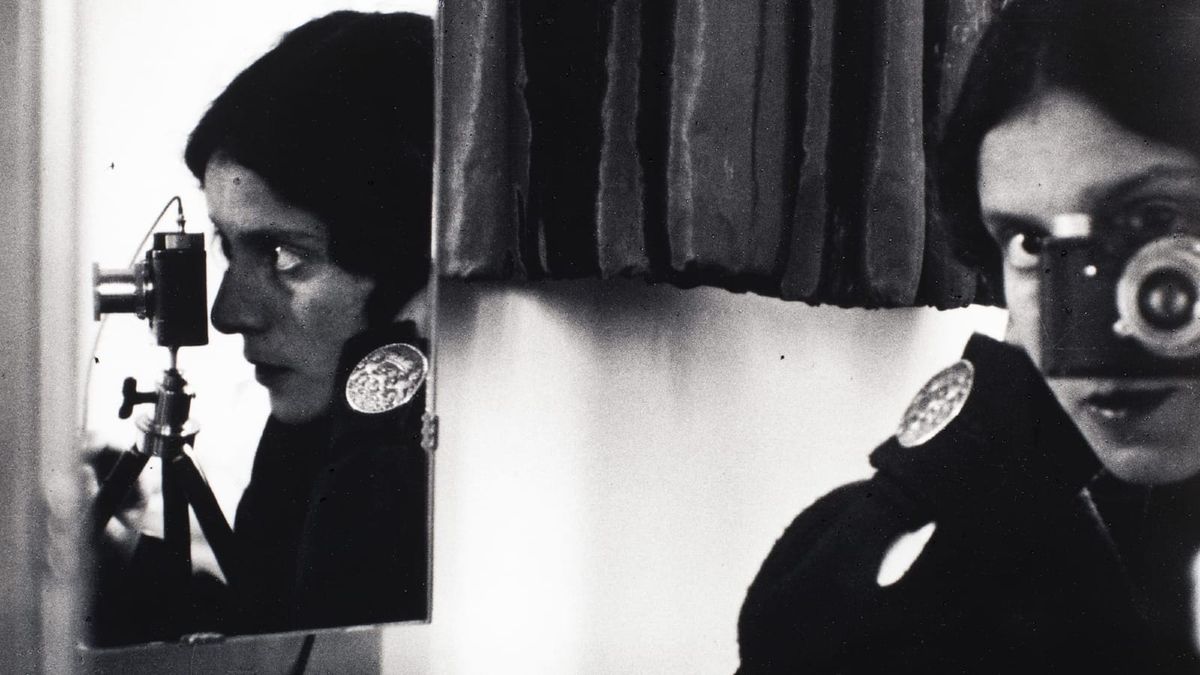
Ilse Bing was a rising photographer in 1930s Paris, moving through the city with a Leica camera and a strong reputation that led her to turn down a job at Life magazine after visiting New York.
Then World War II broke out and France was invaded. Bing returned to New York in 1941 as a Jewish refugee fleeing the Nazis.
“World War II is a real point of rupture,” Mia Laufer, the Chrysler Museum’s Irene Leache curator of European art, said in an interview.
The exhibit, “Ilse Bing Between Paris and New York,” is on view at the Chrysler Museum of Art through October 18.
It features about 40 works, mostly from the museum’s collection, with four loans from a private collection and works by Bing’s contemporaries. It traces the Frankfurt-born photographer's shifting identities as an expatriate, tourist and refugee.
“She goes from expat to tourist to refugee to immigrant, back to being a different kind of tourist,” Laufer said. “She kind of inhabits all of these different categories at different moments.”
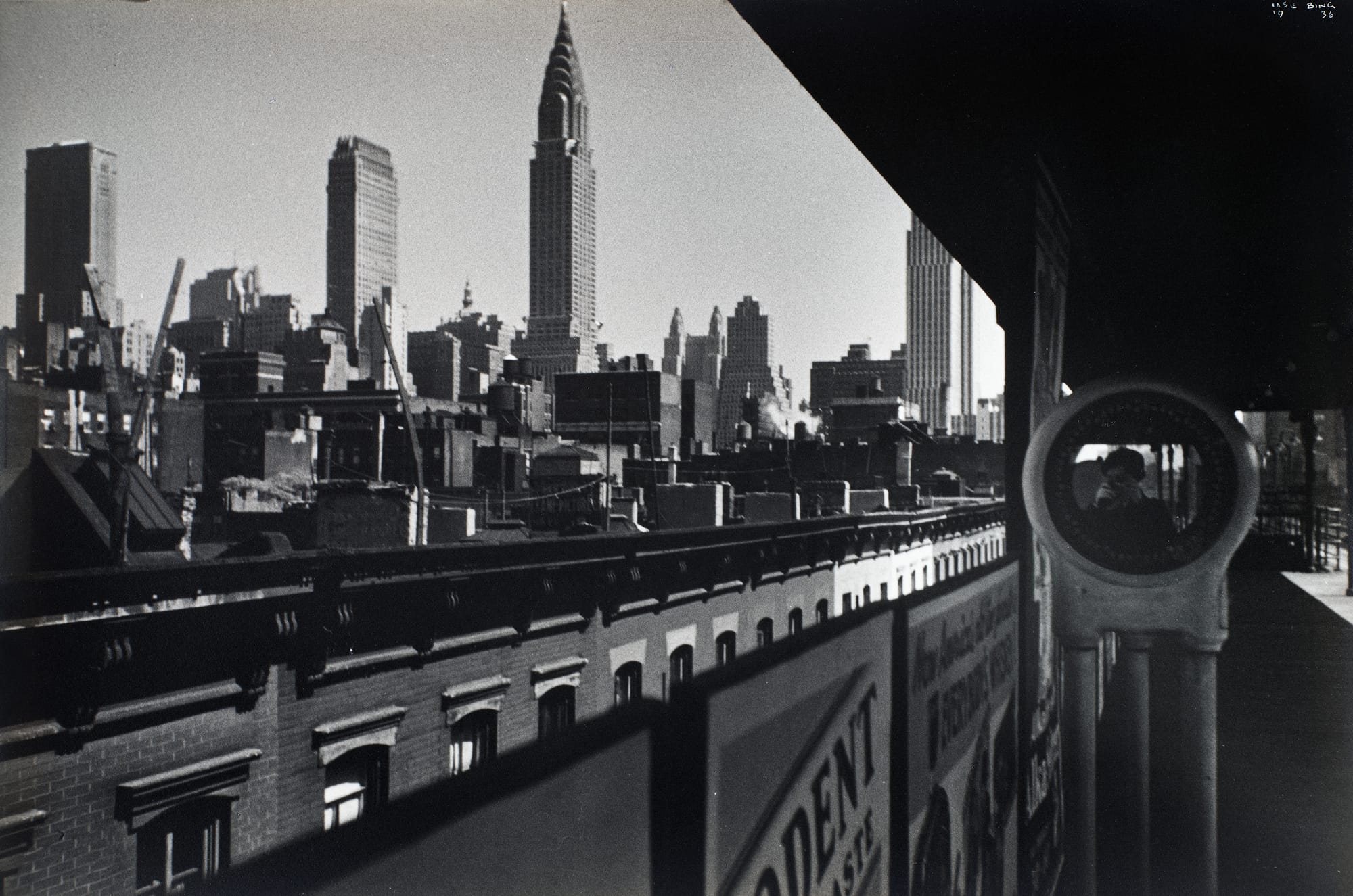
Born in Germany in 1899, Bing moved to Paris in 1930 and became part of the city’s avant-garde photography world. She built a reputation for photographing Paris from unusual angles with a Leica and was dubbed “Queen of the Leica” by photographer and critic Emmanuel Sougez in 1931.
Bing favored the Leica because it was lightweight, portable, and easy to hold close to the body, becoming “a kind of extension from your eye,” Laufer said.
With the Leica, Bing photographed Paris from sharp angles and close viewpoints. One borrowed photograph shows the Eiffel Tower from an angle far removed from the usual postcard view.
“Her pictures of the Eiffel Tower are so classic to what she's doing writ large, which is using the Leica to see Paris through a new lens,” Laufer said.
The borrowed Eiffel Tower photograph lets the museum place Bing beside André Kertész, who was working in Paris at the same time and also photographed the tower. Laufer said the pairing shows how both artists used unusual angles to change how viewers see a familiar landmark.
“There's a manner of looking at the world in a new way that these artists are all engaging with,” Laufer said.
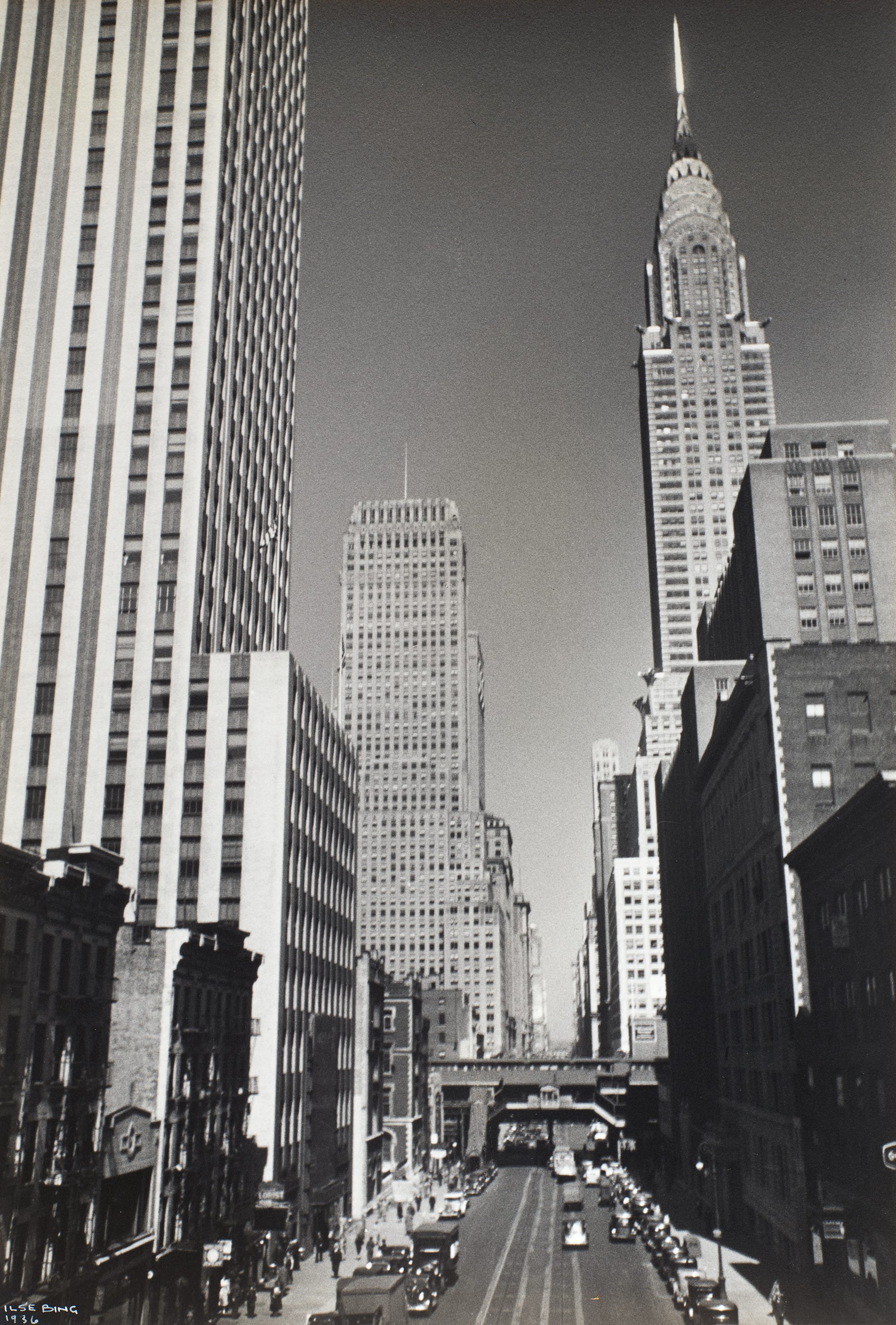
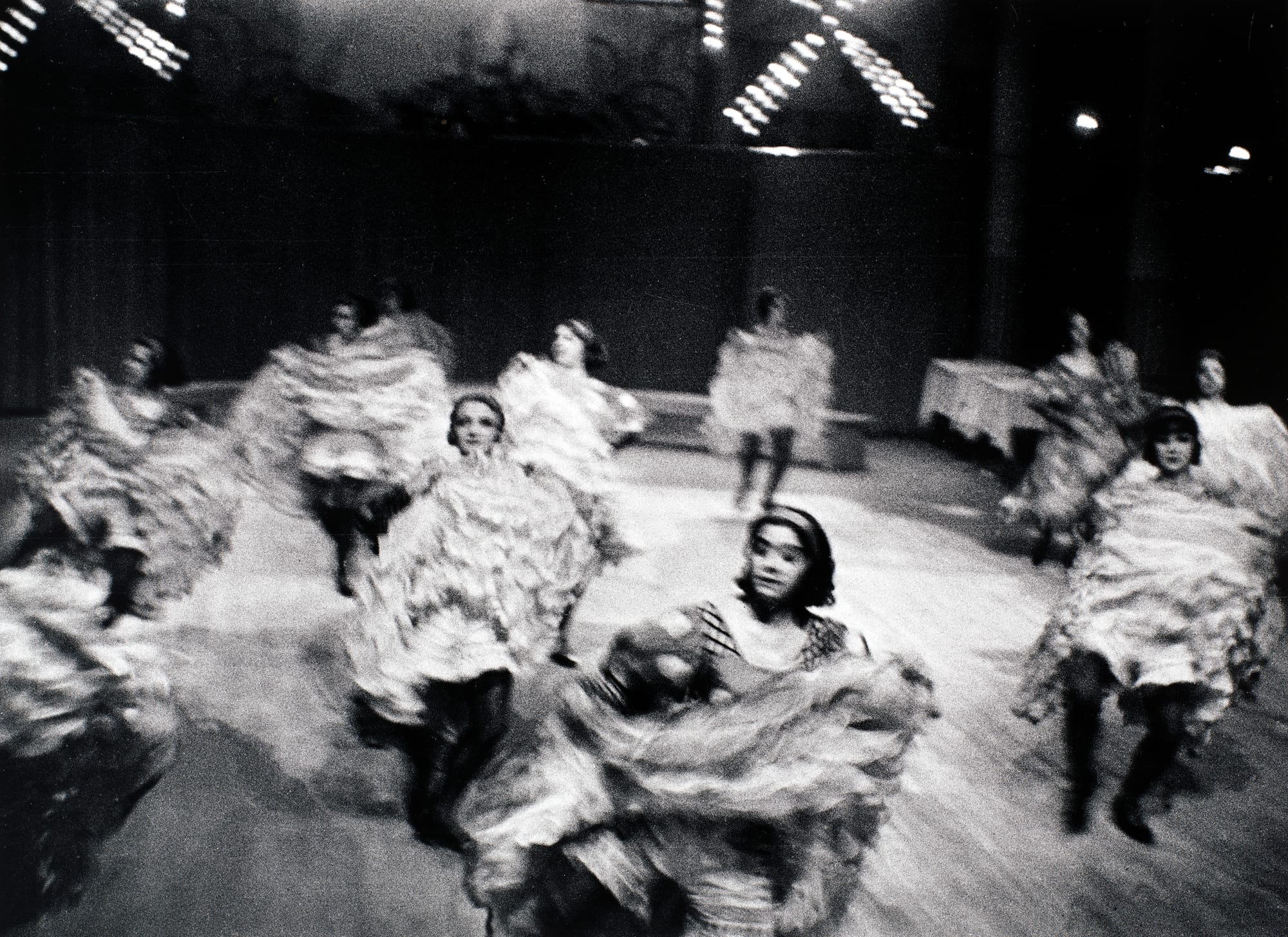
Bing traveled to New York in 1936, photographing the city’s skyline, the recently built Chrysler Building and performers at Madison Square Garden. Laufer said the Chrysler Museum’s holdings are especially strong from that trip.
The New York pictures have a tourist quality, Laufer said, but not in the sense of disposable souvenir images.
“I don't think that saying they have a kind of tourist quality means, for me at least, that they feel like they should be on a postcard in Times Square or something,” Laufer said. “They're very artful.”
Laufer said Bing’s Paris photographs suggest someone who knew the city by walking it constantly. The New York images carry more of the shock of seeing a modern skyline for the first time.
“Everybody in New York is having this experience of, like, ‘Whoa, look at these buildings going up,’” Laufer said.
Although the exhibition centers on Paris and New York, Laufer said Norfolk’s identity as a port city drew her to Bing’s images of docks, water and travel between the two cities.
Bing returned to France after the 1936 New York trip. Her Paris career was cut short by the Nazi invasion. After brief internment, she secured passage to the United States and returned to New York in 1941 as a refugee.
“Instead of going to New York as this chic German expat living in Paris, she's back there as one of so many Jewish refugees from the Nazis,” Laufer said.
Laufer said Bing never fully regained the standing she had in the 1930s. In New York, she had fewer connections and was competing for work alongside many other Germans fleeing Europe.
One key supporter was Hendrik Willem van Loon, a writer close to the Roosevelts who wrote a letter pressing for Bing to receive asylum in the United States and to leave France in 1941, Laufer said.
“He is a really, really important figure in her life,” Laufer said.
Laufer said she is careful not to claim a simple one-to-one relationship between trauma and changes in an artist’s work. But she said Bing’s self-portraits appear different after the war.
Earlier self-portraits, including Self-Portrait with Leica from 1931, carry a youthful confidence, she said. Laufer described that work as an image of a modern professional woman using the camera to navigate the world.
“The camera becomes kind of part of her way of navigating the world,” Laufer said. “It becomes almost adhered to her eye.”
Laufer said the picture captures “the sense of looking and being looked at.”
The museum recently acquired Self-Portrait with Leica and Cancan, Moulin Rouge, Paris, both from 1931, after Laufer reviewed its Bing holdings and identified gaps. The museum bought one Bing photograph in 2001, New York, the Elevated, and Me, and received a larger group of works from the artist’s estate in 2004, Laufer said.
Later self-portraits from the 1940s carry more tension, Laufer said. One late-1940s photograph made during a return trip to Paris shows Bing reflected in a window, fractured behind the camera.
“She feels more like a spectre,” Laufer said. “Like a ghostly image.”
Another work, a 1939 photograph of a tulip, stands out to Laufer as a quieter sign of the approaching rupture. The image shows a cut flower, which Laufer said can carry a memento mori association with death and the fragility of life.
“The war is coming, the Nazis have invaded Poland,” Laufer said. “This is a terrifying moment.”
Laufer said viewers may also fairly see the photograph simply as a beautiful image of a flower. But for her, it is hard to separate the work from the moment it was made.
“I find it impossible not to see it as the end of this Parisian ideal, this beautiful decade of her life that she is enjoying in Paris is over,” Laufer said.
The exhibition also places Bing with contemporaries including Brassaï and Man Ray, not necessarily as close friends, Laufer said, but as artists moving in the same avant-garde photography world.
“I don't think they were buddy-buddies,” Laufer said. “But these are folks who she is circulating the same orbit as.”
Bing was celebrated in the 1930s, including in major photography exhibitions at the Museum of Modern Art in New York, the Louvre and the Brooklyn Museum, Laufer said. But like many women photographers of the period, she was later pushed to the margins before being reconsidered in the 1970s and 1980s.
Laufer said Bing later noted that photographers working in that period were roughly divided between men and women, even though the photographers who became most frequently written about and exhibited were predominantly men.
“Many of the women who are working at this time and kind of competing in the same sphere and creating work of equivalent artistic value, are celebrated in the 30s and then kind of forgotten in the mid-century,” Laufer said.
For Laufer, the show is about Bing’s places, but also about the many ways people can find themselves away from home.
“The themes in it of exploration, of seeing things anew, of traveling, the different ways that we are in new places, I think those are really perennial topics,” Laufer said.
Stories like this take time, documents and a commitment to public transparency. Please support independent arts journalism by subscribing to Urgent Matter and supporting our work directly.