Muscarelle director's family ties to September 11 shape anniversary architecture show
David Brashear's father was in the Pentagon on 9/11. His Muscarelle exhibition traces 25 years of rebuilding at the World Trade Center.
David Brashear's father was in the Pentagon on 9/11. His Muscarelle exhibition traces 25 years of rebuilding at the World Trade Center.
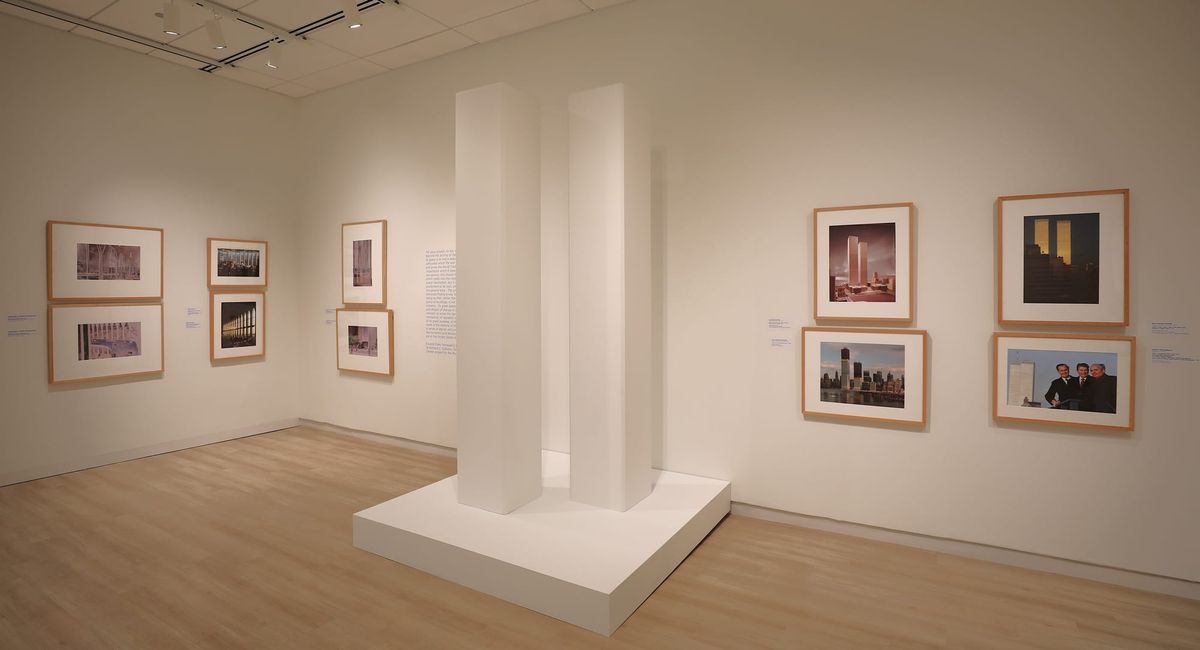
The Muscarelle Museum of Art at William & Mary has opened a 25th-anniversary September 11 exhibition led by a director with family ties to that morning — his father inside the Pentagon and his brother about to board a Brooklyn subway when the first plane hit.
The exhibit, "Forever Marked By The Day: A Quarter Century of Mourning and Renewal," opened June 26 at the Williamsburg, Virginia, museum. It traces the World Trade Center site from the urban renewal plans of the 1960s through the 2001 attacks and the decades-long rebuilding that followed.
The show gathers more than 70 works and artifacts, including architectural drawings, models and photographs.
David Brashear, the Muscarelle's director and the exhibition's co-curator, told Urgent Matter the show grew from his personal history with the day. He lived in McLean, Virginia, less than 10 miles from the Pentagon, in 2001.
"My father was in the Pentagon on September 11. Fortunately, he was unharmed. My brother worked in southern Manhattan and was about to board the subway in Brooklyn Heights when the first plane hit the first tower in Manhattan. As for many, that day was incredibly significant for our family," Brashear told Urgent Matter.
Brashear, who later lived in Bronxville, New York, from 2007 to 2020 and watched the downtown rebuilding effort unfold, said the museum chose to open the show in June rather than on the anniversary itself to create space for reflection ahead of the milestone.
"Those who remember the day can reflect and those who were not born or were too young on that fateful day can learn about a significant moment in history that shaped the nation they know today," he told Urgent Matter.
The rebuilding the exhibition celebrates was itself a fight, marked by years of delays, cost overruns and public feuds — including the clash between master planner Daniel Libeskind and David Childs over what became One World Trade Center, and Santiago Calatrava's Oculus transit hub, which arrived years late at roughly double its budget. Asked how the exhibition deals with that history, Brashear did not linger on it.
"Major construction endeavors often include challenges, and I remember waiting with some frustration for the project to gain real momentum. The result has been phenomenal. The Oculus is a triumph, probably one of the greatest spaces built in America in the last 50 years and a joyous work," Brashear said.
He added that the show focuses on the site's re-emergence as a center for commerce, reflection and civic life.
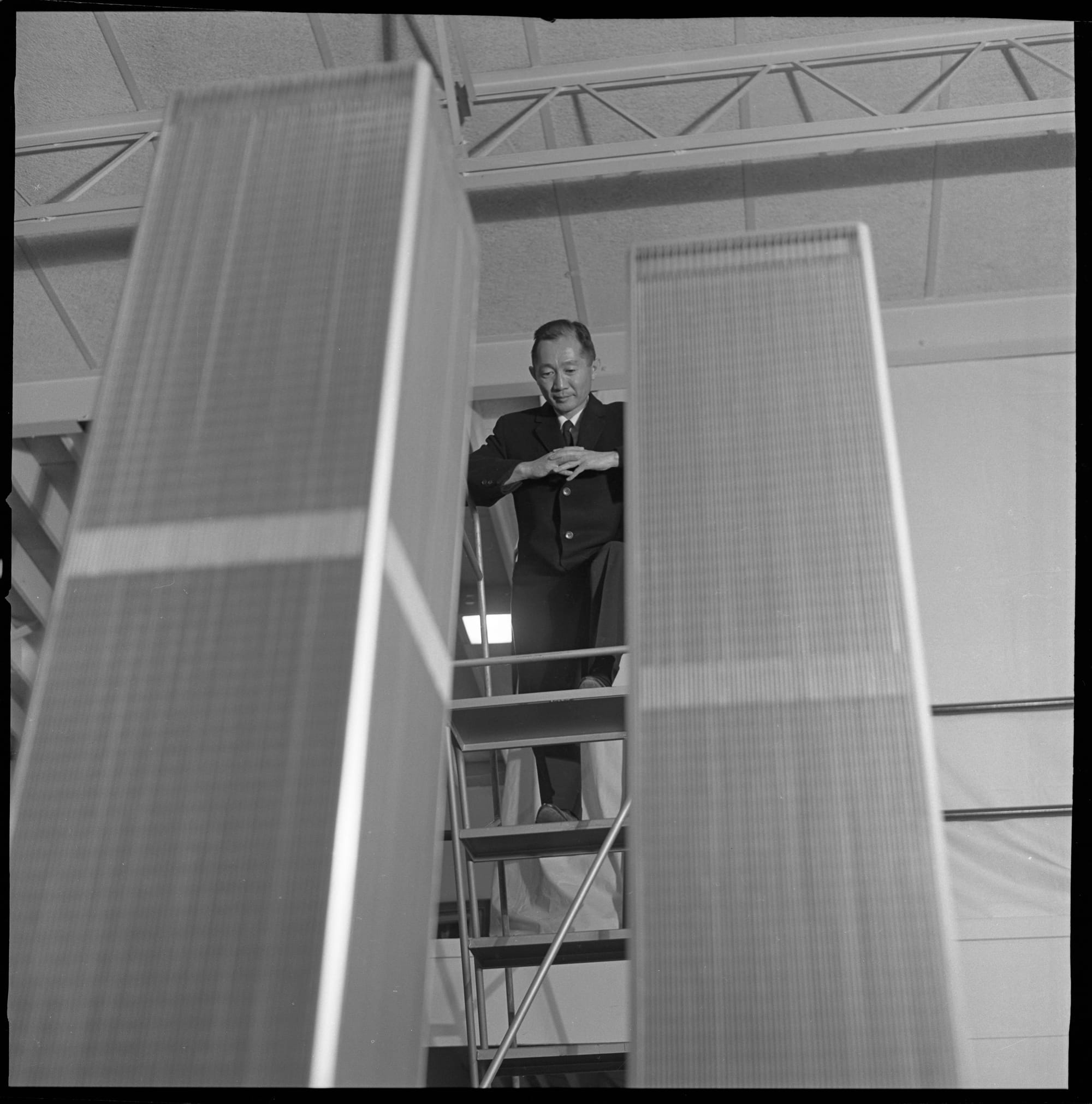
Brashear said the museum collaborated with the Archive of Michigan, the New York Historical Society, the 9/11 Memorial Museum, the Port Authority of New York and New Jersey, Libeskind's office, Skidmore, Calatrava, memorial designer Michael Arad and the architecture firm Snøhetta.
The Muscarelle also secured images from The New Yorker, the Library of Congress and photographers including Chris Corder and James Ewing.
The Muscarelle also acquired several works for its permanent collection in support of the show: Christian White's 1978 painting World Trade Center from Battery Park City, New York; a 2001 photograph by Sean Hemmerle; and a 1976 photograph by Ezra Stoller, Brashear said.
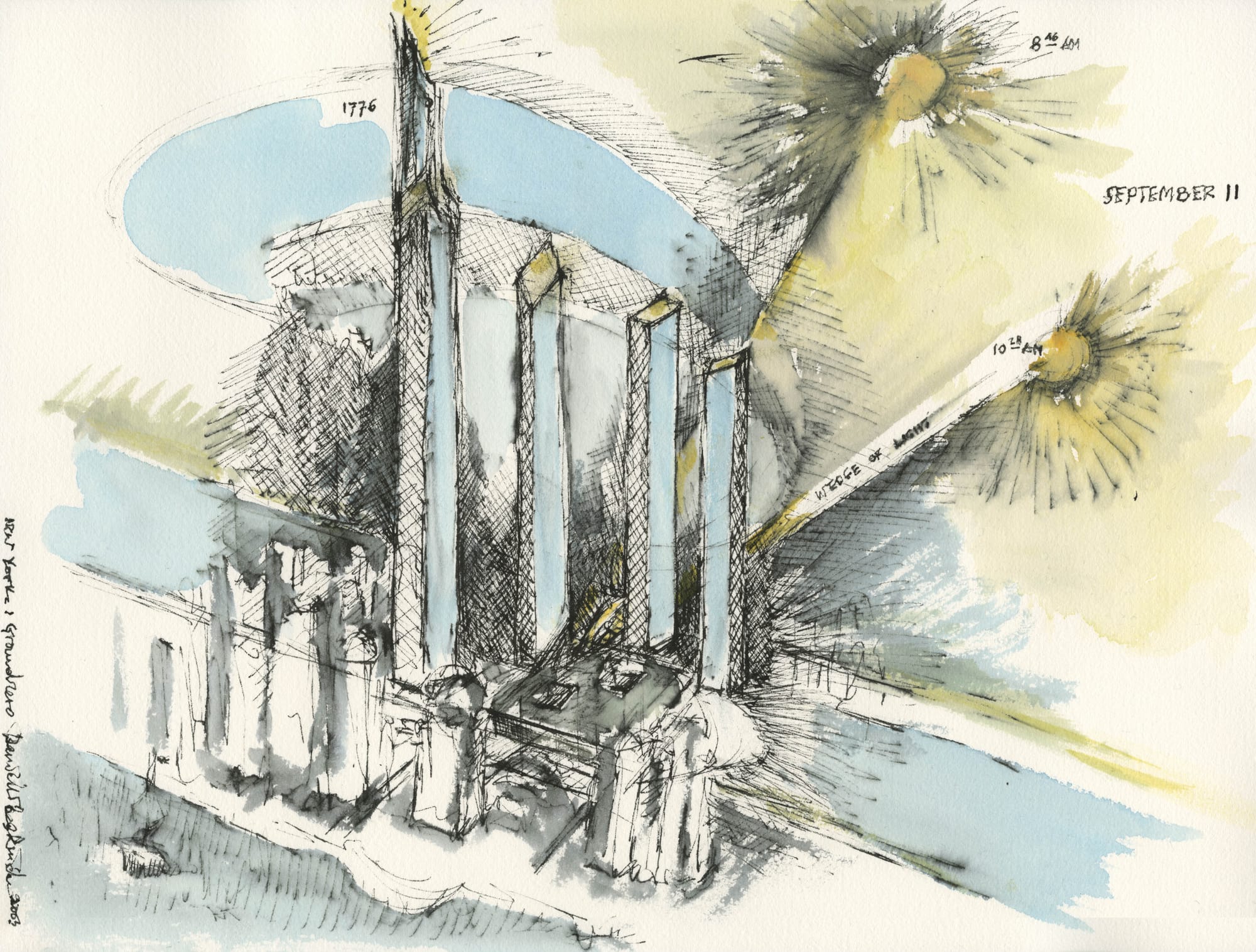
Though billed as an architecture show, the exhibition confronts the human toll directly in one section, which lists the William & Mary alumni who died in the attacks.
"A section of the exhibition presents the attacks but we deal with it very delicately, listing William & Mary alumni who perished on that day and acknowledging the suffering, pain and death of victims and first responders," Brashear told Urgent Matter.
That section includes a drawing by a young boy recounting how his cousin was injured fleeing the site, a photograph of another boy's sidewalk chalk interpretation of the events and photographs of first responders in action, Brashear said.
Brashear said the exhibition was informed by years of conversations with people affected by the attacks, including a young man whose father died in the Twin Towers while his mother was pregnant.
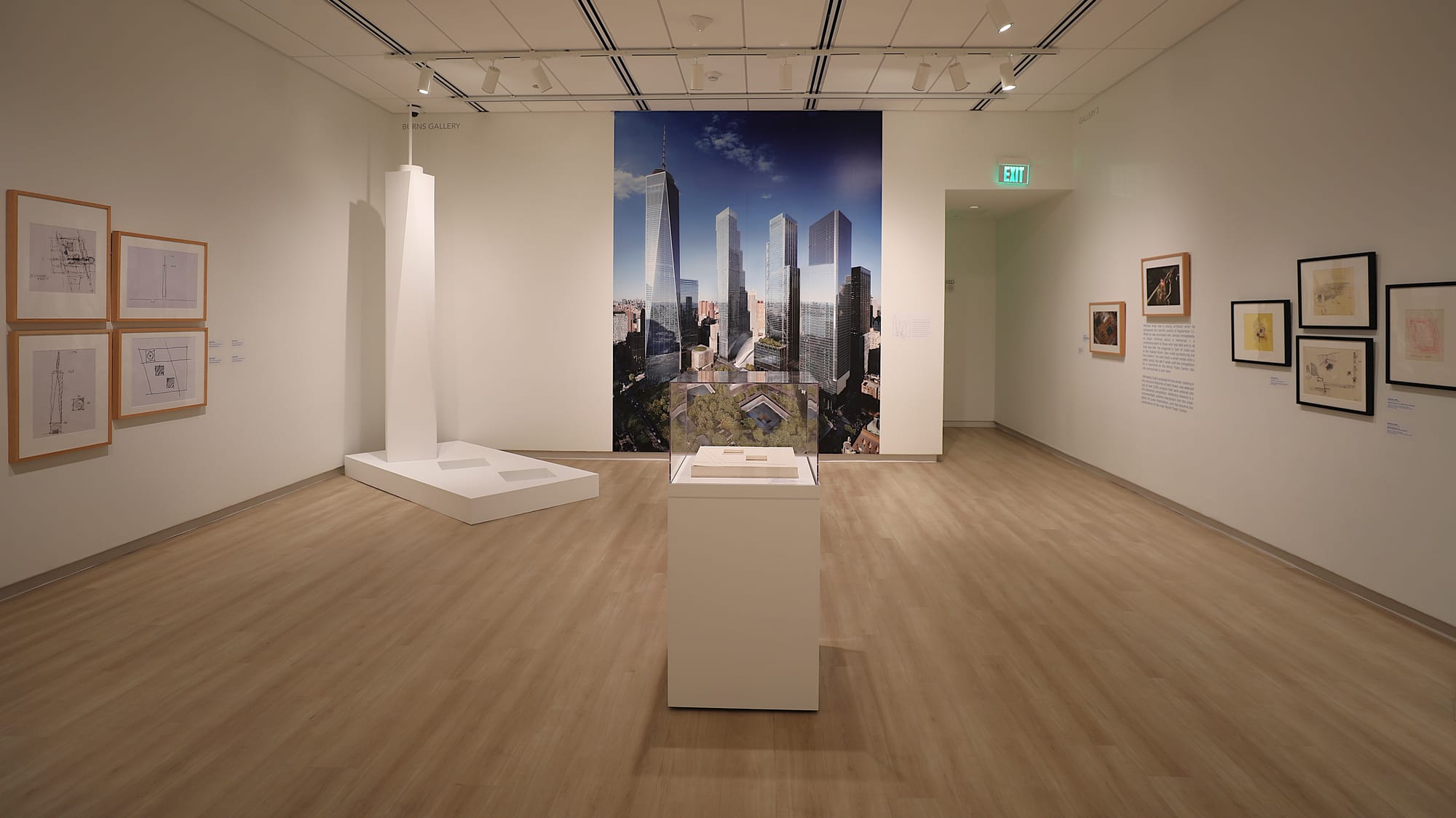
The show unfolds chronologically across four galleries, beginning with Minoru Yamasaki's Twin Towers, moving through the loss of 2001 and ending with the rebuilt site.
Brashear said partnerships allowed the museum to include in-depth content on Snøhetta's National September 11 Memorial Museum Pavilion, Calatrava's St. Nicholas Greek Orthodox Church and REX Architecture's Perelman Performing Arts Center. Speakers will visit the museum in the fall.
"By exploring the built environment, we hope visitors will see how architecture can give form to absence, transforming a site marked by trauma into a space of dignity, contemplation and civic purpose," Adriano Marinazzo, the exhibition's co-curator and the Muscarelle's curator of architecture, photography and European art, said in the exhibition's announcement.
Brashear pointed to one object he expects will stop visitors: The New Yorker's September 24, 2001 cover, with its black silhouettes of the Twin Towers, designed just hours after the attacks.
"It captures the grief and disbelief that so many people felt. I think visitors will naturally pause at that point in the exhibition," Brashear told Urgent Matter.
For the director, the site itself remains the point.
"I love the site. I think Arad's 'Reflecting Absence' is one of the most sublimely perfect memorials in the world," Brashear told Urgent Matter. "I was just in New York to attend the U.S. Open, and I deliberately stayed in a hotel two blocks from the WTC site to refresh and reconnect with the space ahead of our presentation."
Urgent Matter is reader-supported. Please consider subscribing to support independent arts journalism.