Museum at FIT exhibition traces dolls' influence on fashion from 18th century to Bratz
Curator Colleen Hill's "Doll Dressing" runs through January 3, 2027, with more than 170 objects.

Curator Colleen Hill's "Doll Dressing" runs through January 3, 2027, with more than 170 objects.
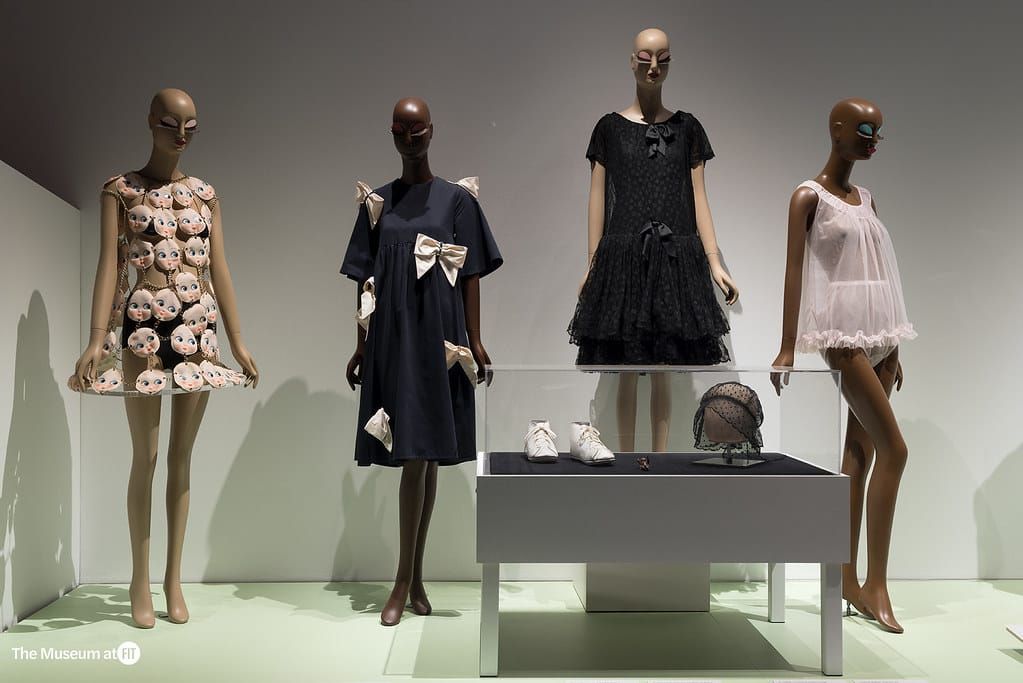
An exhibition at the Museum at the Fashion Institute of Technology in Manhattan traces how dolls have influenced fashion since the 18th century, from dolls used to show dressmakers the latest styles to Barbie and Bratz.
The show, "Doll Dressing," was curated by Colleen Hill, the museum's senior curator of costume. It includes more than 170 objects and runs through January 3, 2027.
Designers in the show include Balenciaga, Comme des Garçons, Maison Martin Margiela, Marc Jacobs, Patrick Kelly, Loewe, Louis Vuitton, Moschino, Anna Sui and Undercover, the museum said.
Fashion dolls spread new styles long before they became toys, Hill said November 13 at the museum's 36th annual symposium, a free daylong program linked to the show.
"They were miniature fashion models. They were little ambassadors," Hill said.
She said some examples from the 17th and 18th centuries were even life-sized.
The show includes an 18th-century doll on loan from Colonial Williamsburg that the museum says was used to carry high-end fashion to dressmakers. Hill described its clothes: "her pocket, her petticoat, her little shoes, and then her dress."
"So this part would have probably been just a portion of her wardrobe," she said.
Hill said a picture or written description from the period could not match the detail a doll like that gave.
By the mid-to-late 19th century, the fashion doll was no longer used to spread styles and had become "a high-end child's toy," Hill said. The baby doll, "believe it or not, was not really a popular toy until the early 20th century," she said.
The baby-doll dress began as clothing for girls around 7 to 12 years old and later moved into women's wear, Hill said. She described it as "short, it's loose, it has a slightly childlike appeal."
Designers also use dolls to test ideas. In a recent Zoom interview with Urgent Matter, Hill said working small is "a way to work out ideas before cutting into fabric, which can be wasteful and expensive." She pointed to the couturiers Madeleine Vionnet and Jeanne Lanvin.
"So it actually makes a lot of sense to try out things in miniature first," Hill said. "You can really get a sense, they are so perfectly in proportion. You can really get a sense of how something will work."
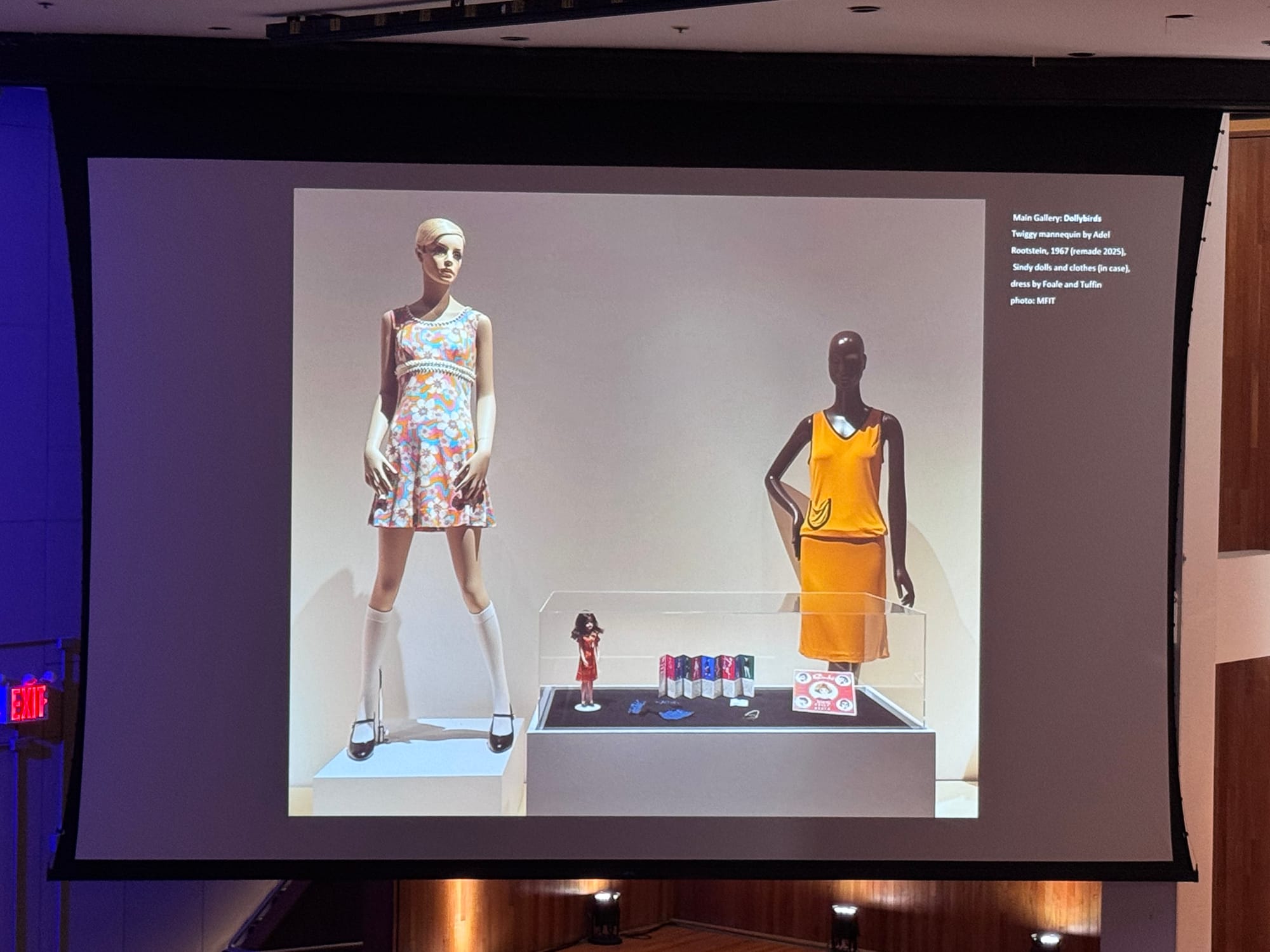
Visitors start in a gallery of fashion dolls from the 1960s to today. The museum says it includes a 1970s Daisy doll dressed by Mary Quant and an original 1980 Black Barbie designed by Kitty Black Perkins.
"One of the biggest challenges for me, being a doll lover, and knowing that I was presenting information to other doll lovers, was determining which fashion doll I wanted to greet visitors with," Hill said.
It was hard to decide "which of these thousands of examples I could include," she said. She wanted dolls "that told unique stories, and of course had a really interesting tie to fashion."
Her picks include a Bratz doll made with Cult Gaia, the fashion label founded by Jasmin Larian Hekmat, whose father, Isaac Larian, founded Bratz maker MGA Entertainment, the company said. She also picked a doll from Mattel's Creatable World line, which comes with short hair, a long wig that can be swapped out and a wardrobe of separate pieces.
"So the idea that they don't need to be trapped in gender, that anyone can play with dolls, is really important," Hill said.
That idea carries into a section called "We Can All Be Dolls," which Hill said is about dolls not being limited by age, race, gender or sexuality.
"If one chooses to present themselves as a doll or loves dolls, that is for everyone," she said.
Hill said people tend to picture a 19th-century porcelain doll or "maybe the stereotypical blonde Barbie."
"And in fact, dolls are much more expansive than that," she said.
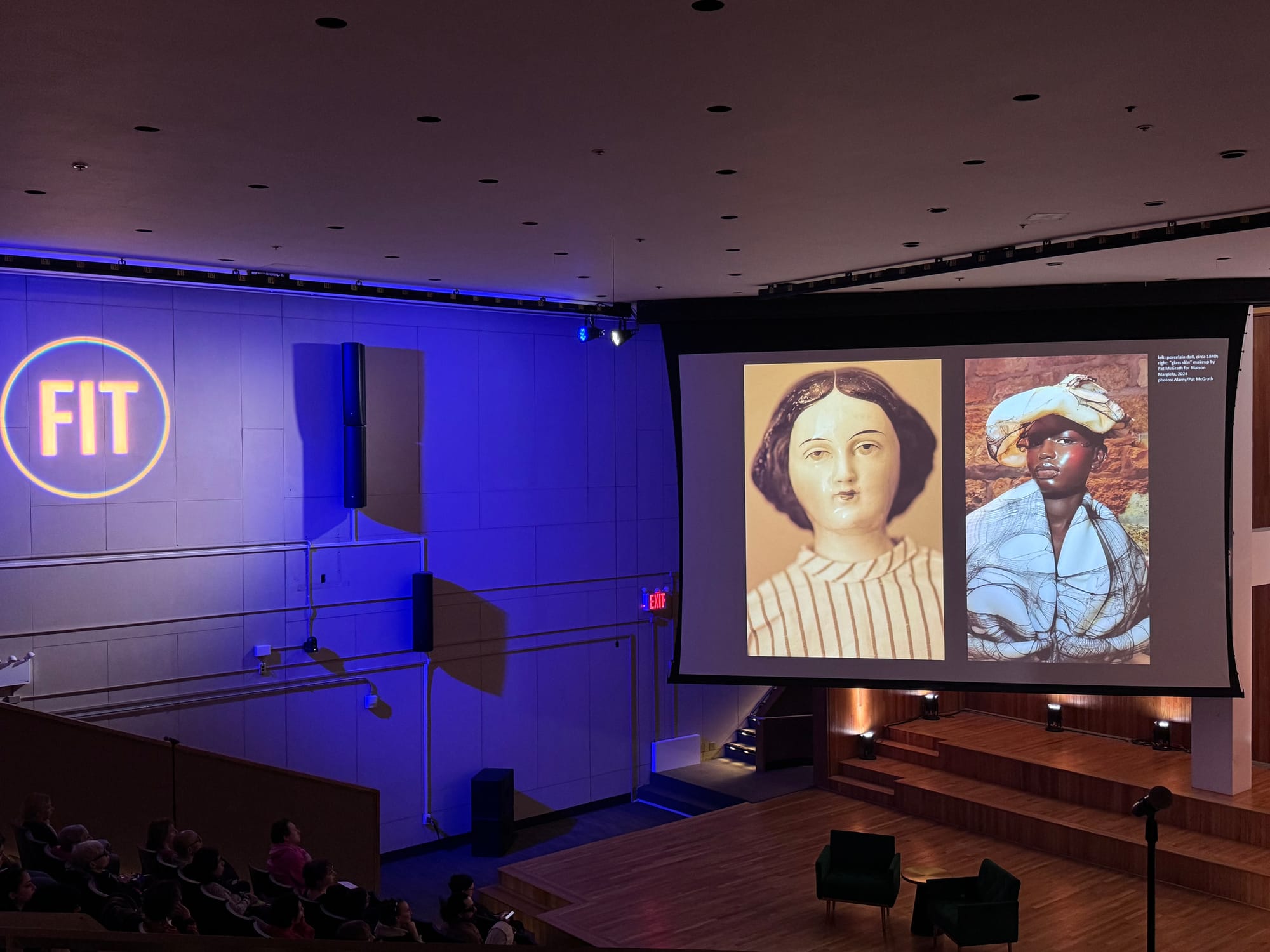
To explain the section in her talk, Hill showed "glass skin" makeup by Pat McGrath for Maison Margiela from 2024 next to a porcelain doll from around the 1840s.
Another section, "Playing with Dolls," includes Margiela's fall 1994 collection. The museum says Margiela enlarged doll clothing and accessories to 5.2 times their original size, making the clumsy stitching and odd fits easy to see. Hill described it as the collection "where he blew up some Barbie and Ken."
The section also has Jeremy Scott's spring 2017 Moschino collection, which the museum says used paper-doll tabs to poke at how people see fashion through phone screens.
A dress by Jun Takahashi for Undercover, already in the museum's collection, helped inspire another theme of the show, Hill said.
"And this is, of course, based on the idea of paper dolls," she said.
She also showed a Marc Jacobs dress from a collection that she said "happened to come out as I was working."
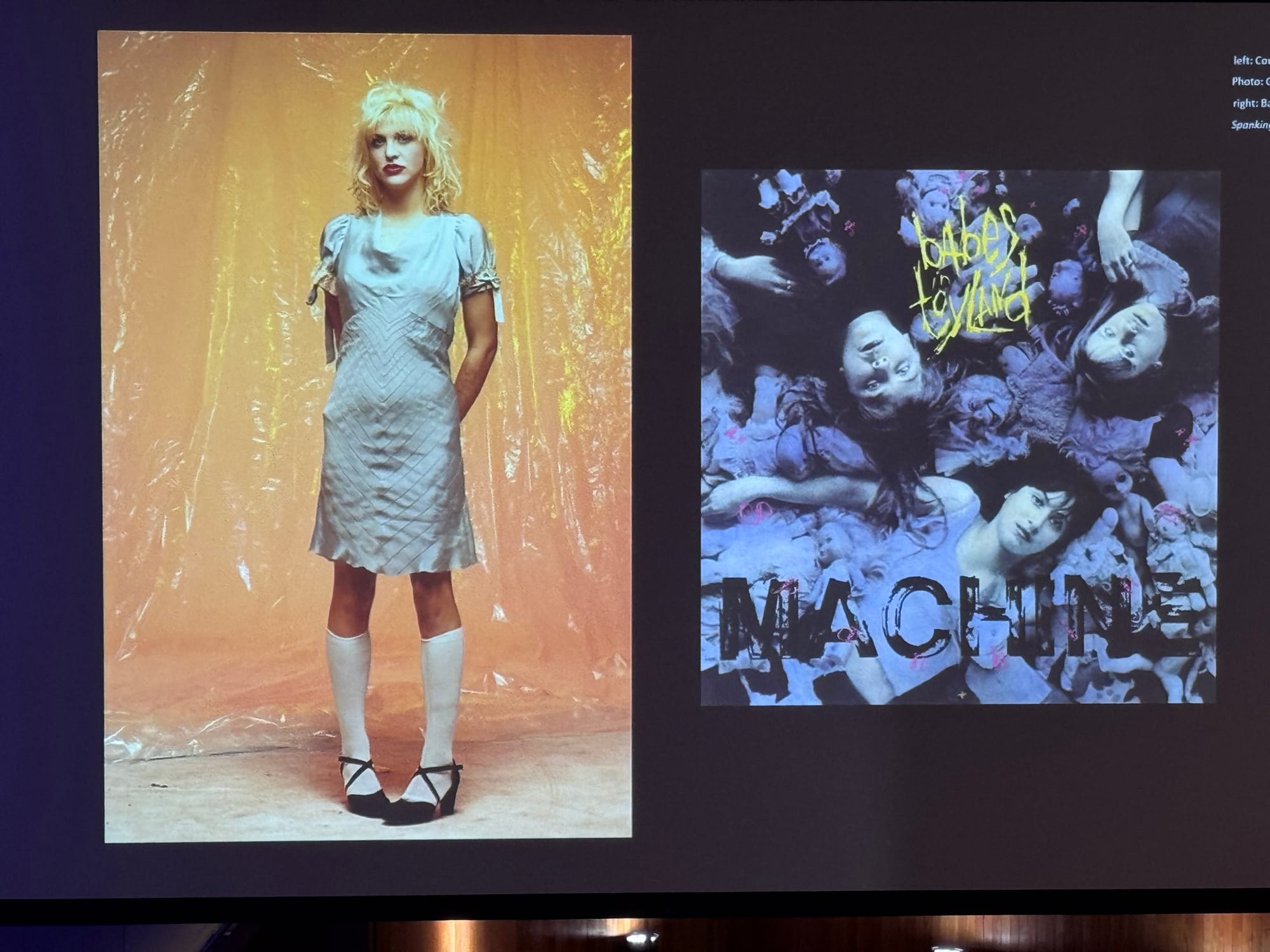
The "Broken Dolls" section covers unsettling doll imagery, from 1990s "Kinderwhore" grunge to Mattel's Monster High, the museum says. Hill said Courtney Love and Kat Bjelland "were really influential in 1990s fashion."
When dresses paired with "heavy boots" showed up, Hill told Urgent Matter, "it was immediately a topic of conversation in the fashion press. You know, is this infantilizing?"
The show also deals with Hans Bellmer, the German artist who built his first doll in Berlin in 1933, the Museum of Modern Art says. He later photographed a second doll taken apart and posed.
Hill said Bellmer's work "can be viewed as so problematic." She called it "really fascinating and compelling."
In her talk, she said it "has also been read as a way to rebel against Nazism." The Art Institute of Chicago says Bellmer gave up useful work as a protest when the Nazis took power in 1933.
When Hill showed someone her early plans for the Bellmer section, he asked about Rei Kawakubo of Comme des Garçons. Hill told him Kawakubo had never said her work was about Bellmer.
"And he reminded me she never says anything," Hill said. "She hates being interviewed."
"So, I started to look for more references to that," she said. "Some designers are overt about it."
One example in the show is an Olivier Theyskens collection that Hill said "literally screen printed numerous pieces, photographs of Bellmer's work onto silk."
Asked how long dolls have been seen as creepy, Hill pointed to Sigmund Freud, who wrote about children wanting their dolls to come to life.
"That uncanny quality of the doll can be frightening," she said.
Hill also traced the common toy-aisle term "action figure" to Hasbro.
"It was essentially a term that Hasbro created in the 1960s as a way to distinguish between dolls for boys and dolls for girls," she said.
 Adam Schrader
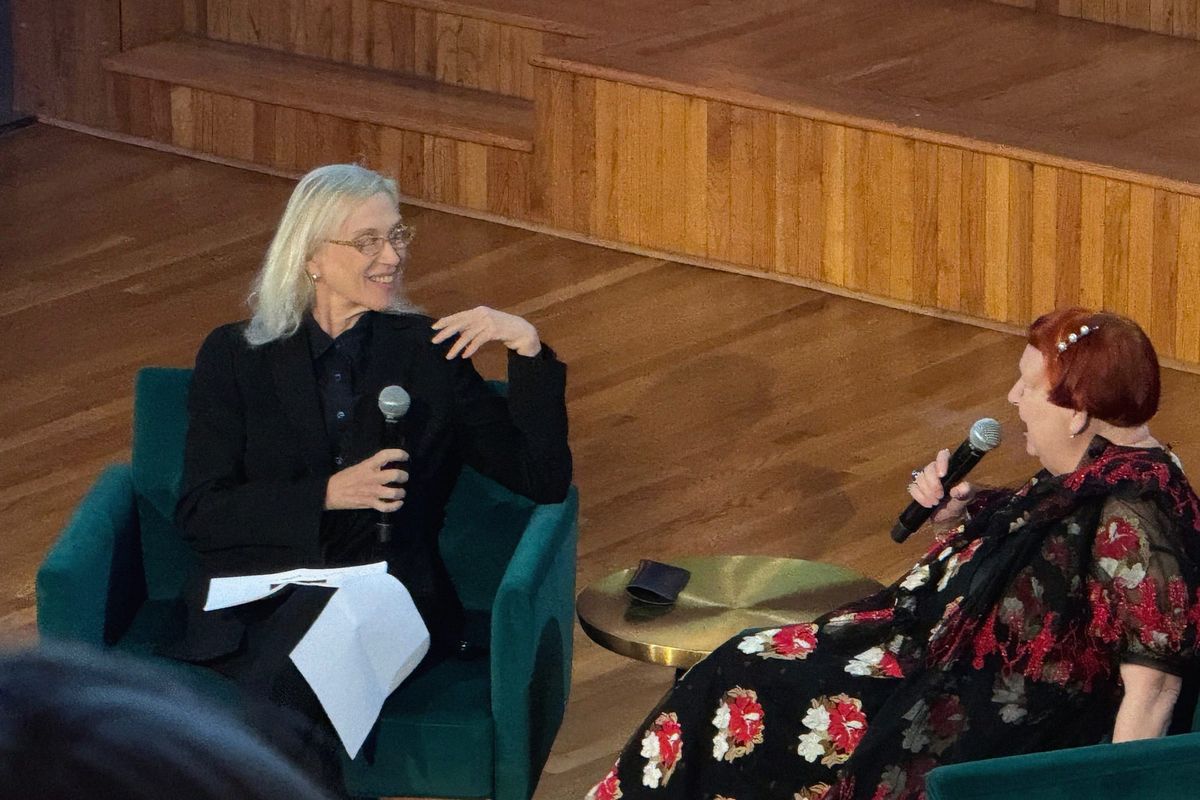
Hill closed the symposium in conversation with designer Jason Wu, who began designing collectible fashion dolls at 16 and now runs Atomic Lab Toys, the museum's program shows.
Wu "downplayed the fact that he had previously designed for dolls," Hill said.
Hill also wrote the exhibition's companion book, Doll Dressing, published by Rizzoli.
Vogue's Lynn Yaeger, who spoke at the symposium with museum director Valerie Steele, is the subject of a separate Urgent Matter story.
Urgent Matter is reader-supported. Please consider subscribing to support independent arts journalism.