Daniel Sikkema convicted in plot to kill art dealer Brent Sikkema
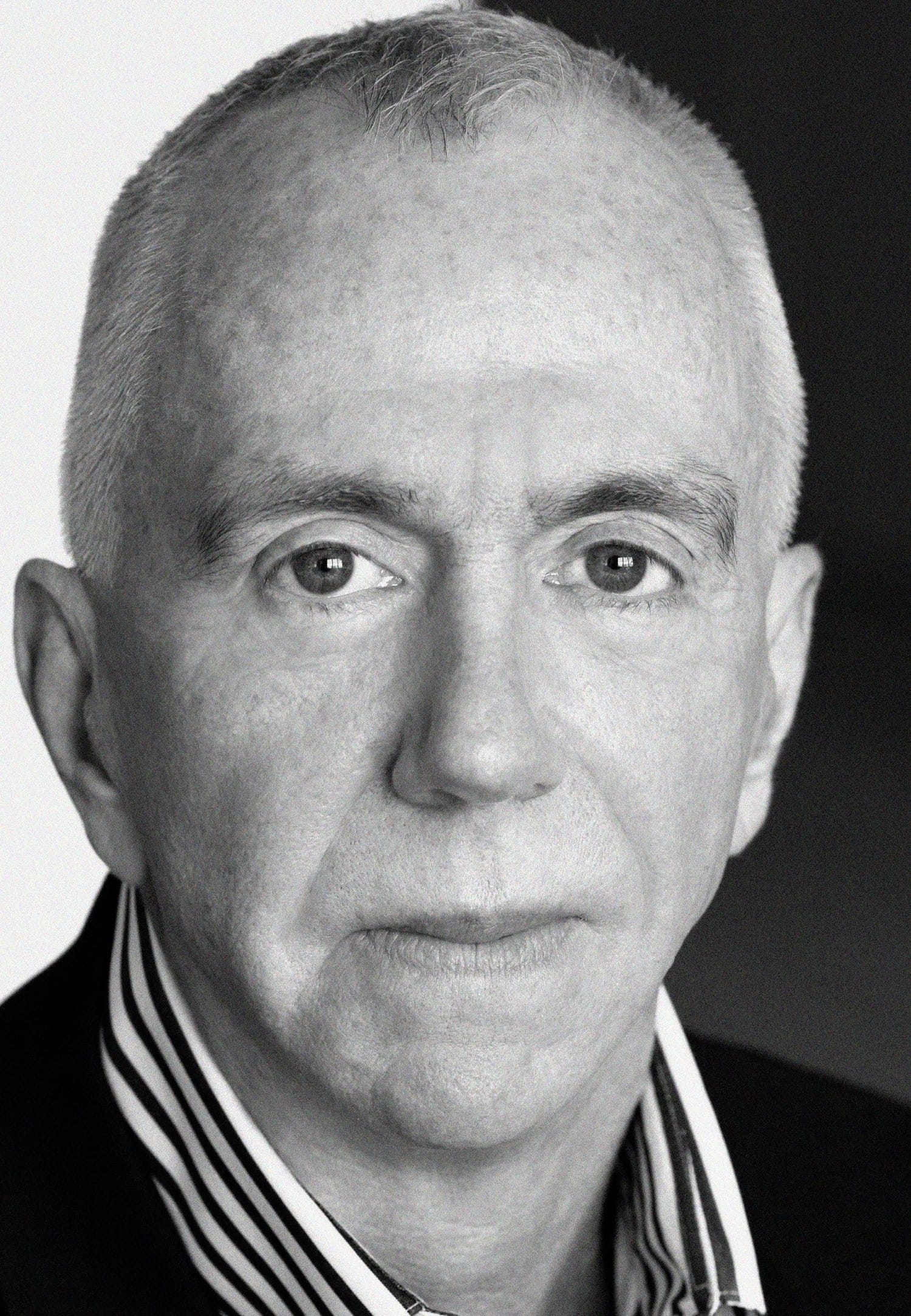
Brent Sikkema, 75, founder of Sikkema Jenkins & Co., was killed on January 14, 2024. He had been stabbed about 18 times.

Brent Sikkema, 75, founder of Sikkema Jenkins & Co., was killed on January 14, 2024. He had been stabbed about 18 times.
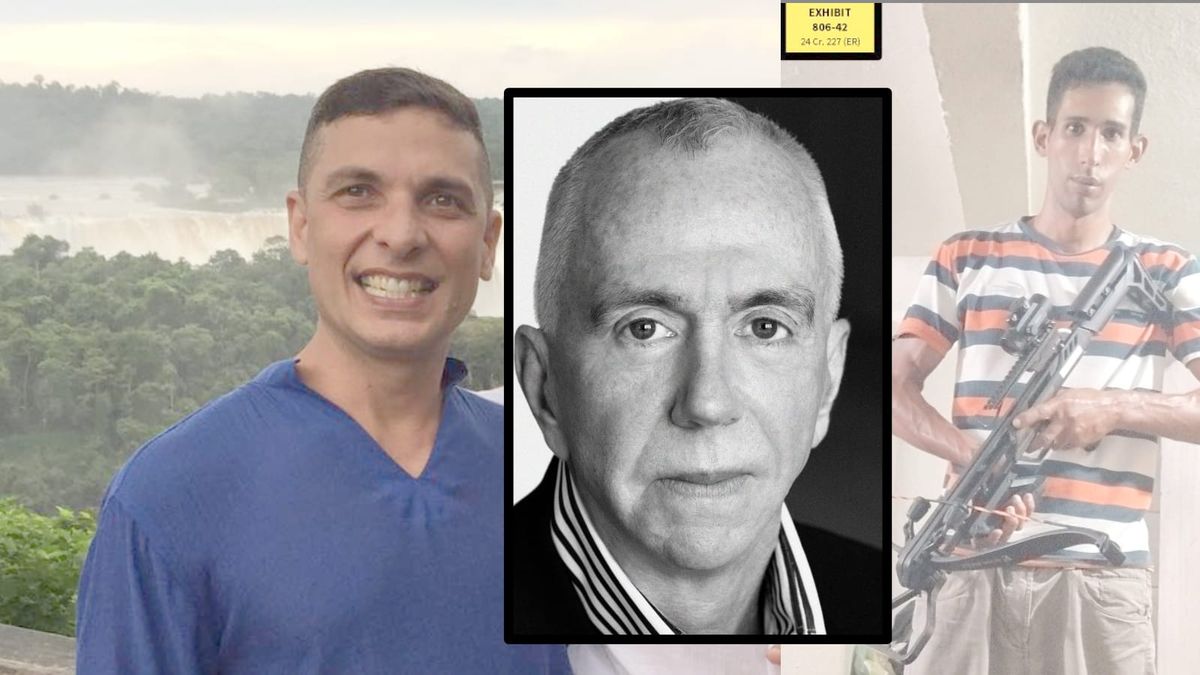
Daniel Sikkema was convicted Friday in Manhattan federal court of orchestrating the murder-for-hire of his estranged husband, New York gallerist Brent Sikkema. The conviction comes more than two years after Brent was found stabbed to death in his Rio de Janeiro apartment.
The jury unanimously found Daniel guilty of conspiracy to commit murder-for-hire resulting in death, murder-for-hire resulting in death, and conspiracy to murder a person in a foreign country, according to the verdict form obtained by Urgent Matter. Daniel had pleaded not guilty.
“Moments ago, Daniel Sikkema was found guilty of hiring a hitman to murder his husband in cold blood,” U.S. Attorney Jay Clayton said in a statement after the verdict. “Amid contentious divorce proceedings with his then-husband, Daniel Sikkema used a burner phone line to callously order the killing of his husband in Rio de Janeiro, Brazil.”
Clayton said Sikkema’s “efforts to evade detection were thwarted” through FBI investigative work. “The tragedy of Brent Sikkema’s death now has a meaningful measure of justice as a unanimous jury of New Yorkers has held Daniel Sikkema accountable for this senseless, cold-blooded murder,” he said.
The verdict came after a trial that began May 11 before U.S. District Judge Edgardo Ramos. Daniel was in court with defense attorneys Richard Levitt and Florian Miedel when the jury returned its verdict, according to the court docket.
Urgent Matter reached out to Sikkema’s defense lawyers for more information and additional comment Friday but did not receive a response before publication.
 Adam Schrader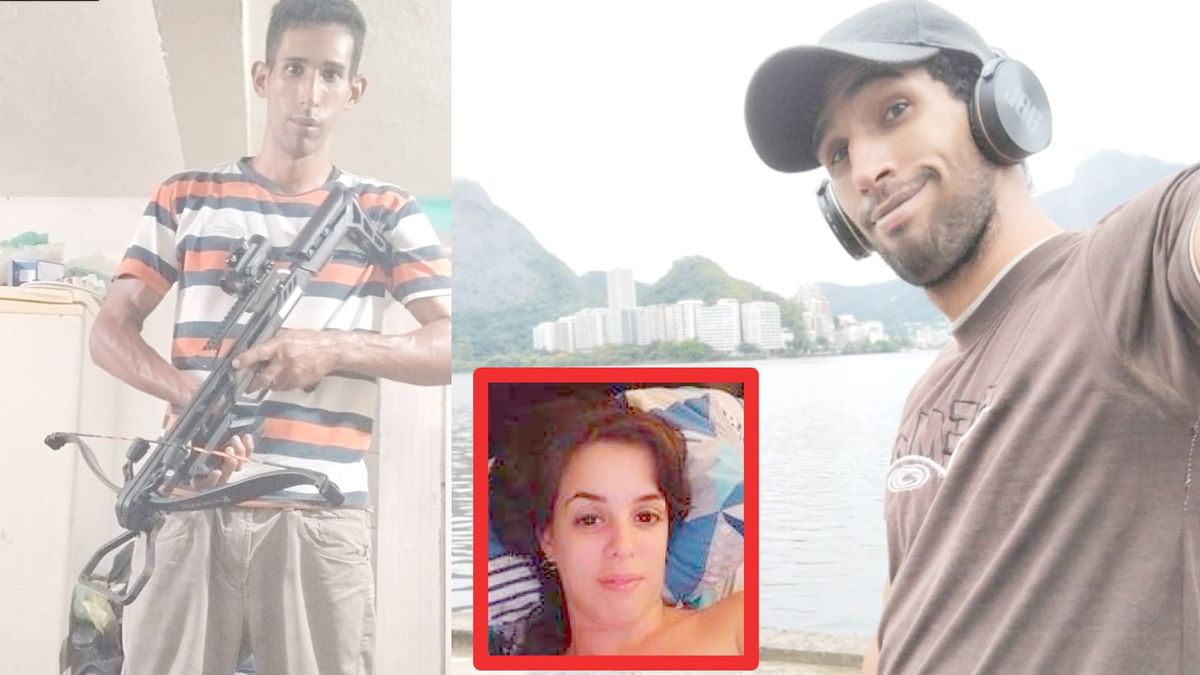
Brent Sikkema, 75, founder of Sikkema Jenkins & Co., was killed on January 14, 2024, in his apartment on Rua José Abreu Fialho in Rio de Janeiro’s Jardim Botânico neighborhood. He had been stabbed about 18 times.
His Brazilian lawyer, Simone Nunes, told reporters she checked on him after he stopped responding to messages and used a spare key to enter the apartment, where she found him dead.
Brazilian authorities quickly focused on Alejandro Triana Prevez, a Cuban citizen. Police said investigators identified him after analyzing security camera footage and obtaining an arrest warrant. A private security firm’s footage showed Prevez outside the building on the night of the attack.
Prevez was arrested on January 18, 2024, at a gas station between Uberaba and Uberlândia in Minas Gerais, hundreds of miles from Rio. Authorities said he was caught with help from the Federal Highway Police and São Paulo Civil Police.
“We have no doubt that it was a premeditated crime,” Alexandre Herdy of the Capital Homicide Police said at the time.
At first, public details of the case pointed partly to robbery. Sikkema’s Brazilian lawyer said jewelry and about R$180,000 in cash had been taken. Brent planned to use the money to furnish a recently acquired apartment in Leblon.
But within days, Prevez’s then-lawyers began saying the case was bigger than a robbery.
Gregório Andrade, then one of Prevez’s attorneys, told Artnet News in January 2024 that Prevez had given him “some facts and information that has not yet been provided to police.”
“We are waiting for the police chief,” Andrade said at the time, adding that Prevez might provide a written statement through his lawyers after speaking to authorities. “He has a lot to say. This story is much more complicated than we can even imagine.”
Andrade also told local newspapers that Prevez had admitted the killing and said the crime was ordered by someone else.
“He’s going to cooperate with all aspects of the investigation. He admits the crime and goes further,” Andrade said. “As we expected, it’s a crime of command.”
In early February 2024, Prevez formally accused Daniel Sikkema of commissioning the murder, prompting Brazilian prosecutors to seek Daniel’s arrest through Interpol. Prevez also claimed he was promised $200,000 to carry out the killing.
Prevez’s family later also implicated Daniel. In a recording provided by Andrade, Prevez’s sister described him as “very easy to manipulate” and said Daniel knew Prevez was lonely, wanted to leave Cuba, and was vulnerable after his mother’s death. She said Daniel sent Prevez money and promised him a better life.
Brazilian authorities later sought Daniel’s extradition. A judge in Rio de Janeiro said Daniel had to be extradited “with urgency,” according to prior Artnet reporting.

By then, Daniel had already been arrested in New York.
A sealed criminal complaint charging Daniel with passport fraud was filed March 19, 2024. He was arrested the next day and appeared before a magistrate judge in Manhattan.
The charge was not the murder case. Prosecutors accused Daniel of lying on passport applications for himself and the couple’s son.
According to an FBI affidavit, Daniel applied for new passports despite a custody agreement that left the child’s documents under Brent’s control and required both parents to agree to international travel. After Brent’s death, Daniel entered Brent’s Manhattan apartment and took the passports.
Adam Schrader
At his March 2024 appearance, Daniel was released on a $1 million personal recognizance bond. A federal indictment charging Daniel with passport fraud was filed April 12, 2024. He was arraigned April 17 and pleaded not guilty.
Five days later, Andrade and Edna de Castro withdrew from representing Prevez in Brazil.
The lawyers said they resigned after visiting Prevez at Bangu 8 prison “for reasons of personal conscience” and because they disagreed with Prevez on how to defend himself. They also cited “external influences” that they said had an interest in keeping relevant information out of his defense.
“We do not agree with arrangements, schemes, and other maneuvers aimed at benefiting anyone for money,” Andrade and de Castro said in a joint statement at the time. “The career of lawyers Gregório Andrade and Edna de Castro is not for sale.”
When asked to explain, Andrade said he could not prove it but believed Prevez had been talking to Daniel.
Andrade told Urgent Matter after the verdict that he could only speak about the period when he represented Prevez, mainly during the police investigation. He said he accepted the case because Prevez was a foreign citizen in Brazil and he believed it was important from a human rights perspective to ensure Prevez had legal representation and due-process protections.
Meanwhile, Daniel’s New York passport case continued through 2024.
Daniel asked Ramos to dismiss the passport indictment and to prevent prosecutors from using evidence tied to his alleged involvement in Brent’s murder. Ramos denied both requests on December 11, 2024.
The case changed on February 11, 2025, when prosecutors unsealed a superseding indictment charging Daniel in the alleged murder-for-hire plot.
Daniel was arrested again that day and appeared before a magistrate judge, where he pleaded not guilty to the superseding charges and was ordered detained after the court found he posed a risk of flight and danger.
At the detention hearing, Assistant U.S. Attorney Meredith Foster described Daniel as a man who could direct violence from thousands of miles away during an extremely contentious divorce, according to a transcript previously obtained by Urgent Matter.
“The defendant accomplished this plan through the use of technology and artifice,” Foster said, describing what prosecutors said was Daniel’s use of a stolen identity and disguised phone line to direct the killing from his home.
Foster said Daniel sent “multiple” payments to Prevez, each made in the name of an intermediary or under a stolen identity.
“What is particularly concerning about this offense is that the defendant carried this out, carried out this deadly and violent act that occurred in another country, basically from his own home,” Foster said. “In other words, he used technology and he was able to enlist another individual to brutally murder his husband.”
Foster also said investigators found that Daniel used the secret phone line he allegedly used to communicate with Prevez to threaten another person he believed had stolen something from him. Prosecutors argued that showed he would “go to extreme lengths to seek retribution.”
“The government's witnesses are all people that the defendant knows. He knows where they live, he knows their family,” Foster said. “And so, the Government has very serious concerns, not only to the broader public, but specifically to these witnesses, if the defendant were released on any form of home incarceration or detention.”
Foster also said Daniel, an American and Cuban citizen, had substantial ties to Cuba and effectively controlled a property there that would have been ready for him if he had fled. She said Cuba is a country from which the United States is “virtually unable to extradite” alleged criminals.
Prosecutors said one source of conflict in the Sikkemas’ divorce was whether the family would live in Cuba. Daniel wanted to return there, while Brent did not, Foster said at the February 2025 hearing.
Foster said Daniel had “actually disenrolled the child from his school” and told him they were going to Cuba without Brent’s consent, which was why the passports were under Brent’s control.
She also said investigators later found voice notes indicating that Daniel’s real reason for trying to get the passports was so he and his son could go to Cuba, not so the child could attend a soccer camp.
The U.S. Attorney’s Office notified the court on October 20, 2025, that it would not seek the death penalty, according to Urgent Matter’s prior reporting.
Two days later, Ramos set trial for May 11, 2026. In March, ahead of the trial, Ramos allowed part of a defense request to take testimony before trial. The judge allowed a deposition of Prevez but denied requests involving several other witnesses, according to the docket.
When the trial began earlier this month, prosecutors told jurors that Daniel hired and paid Prevez to kill Brent. But defense attorney Florian Miedel told jurors that prosecutors did not have a witness who could testify from personal knowledge that Daniel hired Prevez.
“No one is going to come into this courtroom and say Daniel did it,” Miedel said. “No one is going to come into this courtroom and say, ‘I have personal knowledge that Daniel hired Alejandro to do it.’”
A major pretrial fight involved a government timeline that prosecutors said tied together WhatsApp messages, audio files, ATM withdrawals, Western Union records, photos, browser history, map searches and other evidence.
Defense lawyers called the timeline “a government summation in chart form” and said it was not a neutral summary of the evidence.
The timeline included messages prosecutors said showed Daniel talking about Brent’s death as a way out of the divorce.
In one March 2023 message, Daniel allegedly wrote, “It won't be over until this man passes away,” according to the timeline. In another, he allegedly said, “I have to wait for him to die.”
“I’m still fighting with this old bastard who won't die,” Daniel said in a message to a redacted recipient in July 2023. “But anyway, I'll tell you, until he dies or until someone kills him or until... or... or until I get divorced, that's how it's going to be.”
That same month, Prevez’s Google account showed two map searches for the address where Brent would later be killed.
The timeline also included a message Daniel allegedly sent Prevez in August 2023.
“Thank you very much, Ale, for everything you’re doing. There will be a day when life rewards us for all this,” Daniel wrote to Prevez in August 2023.
Much of the government’s timeline also ran through Dailyn Hidalgo Hernández, a woman in Spain whom Prevez pursued romantically and who later testified in a court-authorized deposition before trial. Hernández said she received two payments totaling $5,300 from a man named Daniel.
Adam Schrader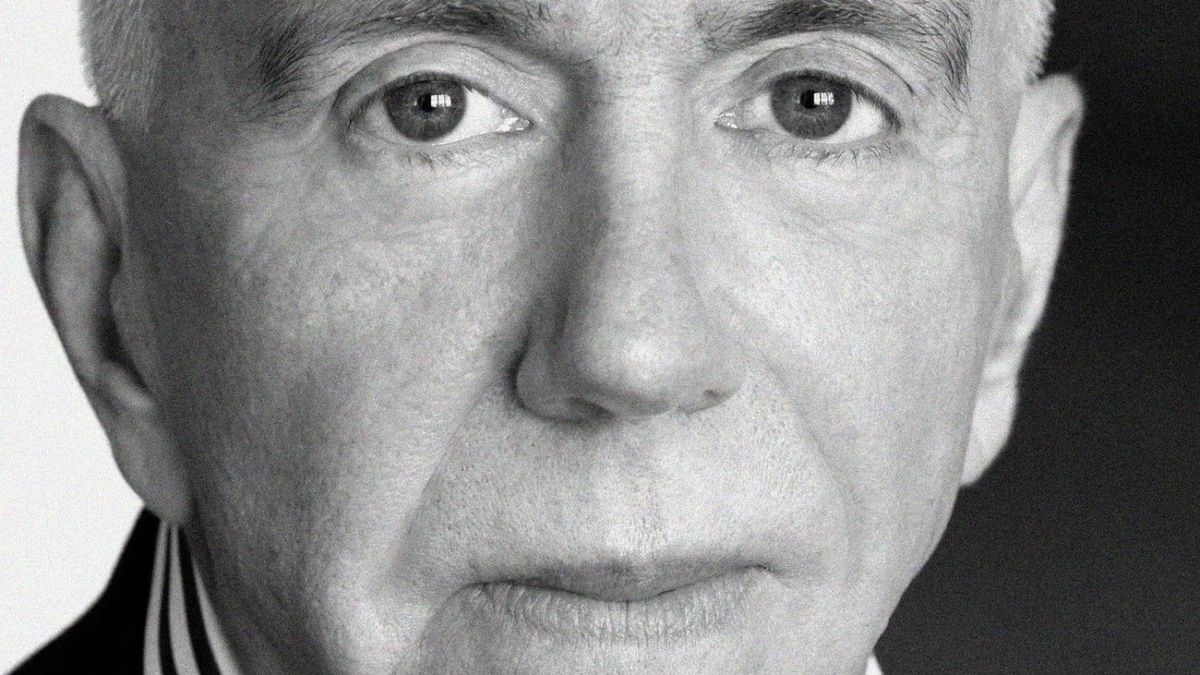
Prosecutors used her communications with Prevez to show how money allegedly moved through intermediaries and how Prevez discussed his plans before traveling to Rio.
The communications between Prevez and Hernández were extensive. Prosecutors said their WhatsApp records ran to 4,872 pages. In those messages, Prevez promised to buy Hernández a house in Spain and described a future with her, even though she was married to another man. Hernández said in her deposition that Prevez wanted “something beyond a friendship.”
By December 2023, prosecutors said, Prevez was telling Hernández that he had booked a ticket to Rio to “do the job of our lives.”
“Serious question. Are you really prepared for what awaits you next year???” Prevez wrote to Hernández, according to the timeline. “I’m asking again in case you have any doubts because once I set foot in Rio de Janeiro on Saturday, there’s no turning back.”
Two days later, Prevez told Hernández he was going to Rio “to work” and would be back December 11, according to the timeline. That same day, Daniel allegedly recorded more messages about the divorce.
“The only thing I have to wait for is for him to pass away, of course. Let's see if God hears me and performs a miracle,” Daniel said in one Dec. 11 message, according to the timeline.
“Well, he can take all the time he wants. Let's see if... instead of getting divorced, I end up a widower, which would suit me much better,” Daniel said in another message.
Prevez’s Google Cloud account showed that he searched for “deadly and easy to get poisons” that same day, according to the government timeline. Later in December, prosecutors said, Prevez searched for where to buy white phosphorus, gun shops in São Paulo and weapons accessories. His YouTube history also included videos about homemade guns, nail slingshots, sniper rifles and cheap handguns in Brazil.
Three days before Brent was killed, Prevez again told Hernández he had to go to Rio that weekend. “I don't know if the trip will take a weekend or a week, but I hope it won't be too long,” he said.
“When I finish the job, which I hope will be quick, you should receive the $9,000,” he added.
Prevez and Daniel had a 3-minute-45-second video call on January 13, 2024, according to the timeline.
Early the next morning, the day of the murder, surveillance footage showed a man exiting a car and trying to enter the house, then later walking out of it, according to the timeline. Minutes later, Prevez made two missed WhatsApp calls to a contact identified as Raimundo Dominguez.
Later that day, Prevez messaged Hernández about the planned $9,000 payment and told her he would return home the next day.
“Everything went really well,” Prevez wrote, according to the timeline.
The next morning, January 15, Prevez’s Google Cloud account showed four searches for “murders in Rio de Janeiro.”
The case now moves to post-trial motions, with defense papers due June 22.
Stories like this take time, documents and a commitment to public transparency. Please support independent arts journalism by subscribing to Urgent Matter and supporting our work directly.