Key witness in alleged Brent Sikkema murder plot says accused killer sent her $5K
Dailyn Hidalgo Hernandez gave a deposition to U.S. federal prosecutors in Castellón de la Plana, Spain, last month.

Dailyn Hidalgo Hernandez gave a deposition to U.S. federal prosecutors in Castellón de la Plana, Spain, last month.
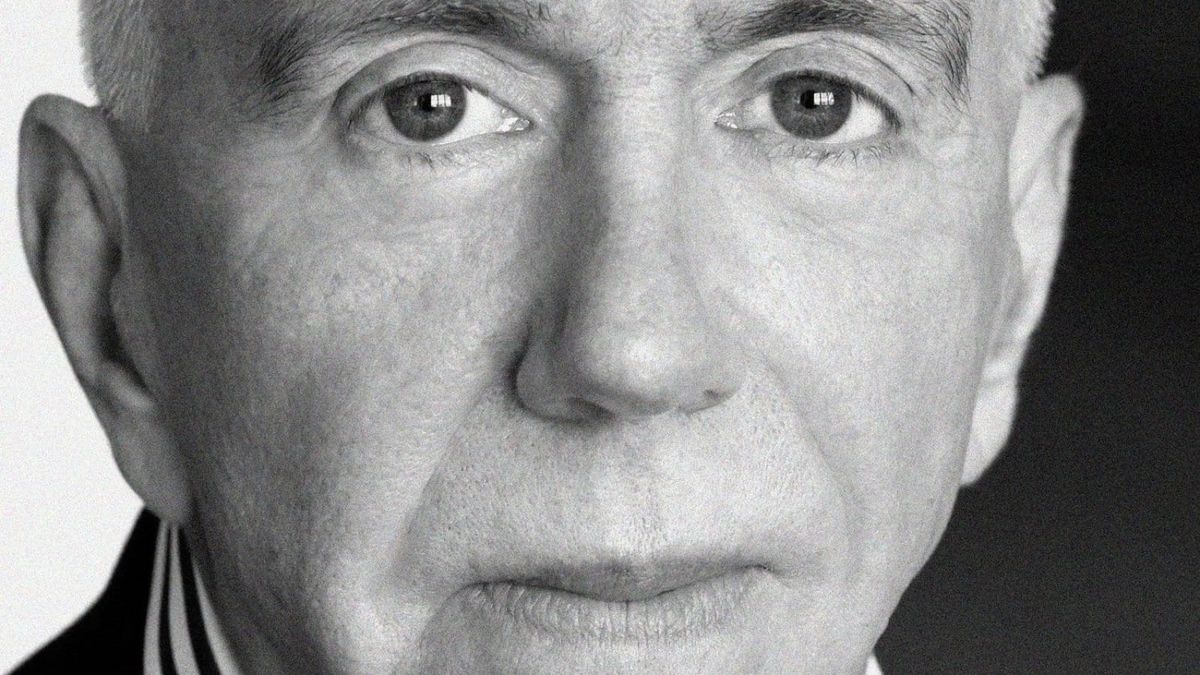
A woman questioned in Spain before this month’s trial of Daniel Sikkema, accused of a murder-for-hire plot against his estranged husband, prominent New York gallerist Brent Sikkema, described receiving thousands of dollars and communicating with the man believed to have killed him.
Dailyn Hidalgo Hernandez gave a deposition to U.S. federal prosecutors in Castellón de la Plana, Spain, last month under a court-authorized Rule 15 proceeding, which allows prosecutors to preserve testimony from witnesses unable to travel to the United States, according to court records obtained by Urgent Matter.
Brent Sikkema, 75, was found stabbed to death on January 15, 2024, inside his upscale apartment in the leafy Jardim Botânico district of Rio de Janeiro. His Brazilian lawyer, Simone Nunes, told reporters she checked on him after he stopped answering messages and used a spare key to enter, discovering him with at least 18 stab wounds.
Paid subscribers can read the full deposition.
 Adam Schrader
Brazilian authorities identified Cuban national Alejandro Triana Prevez as a suspect in the killing and later arrested him. In early February 2024, Prevez formally accused Daniel of commissioning the murder, prompting an Interpol alert.
Daniel was first arrested in New York in March 2024, nearly a year before the murder indictment, for allegedly lying on a passport application for himself and the couple’s teenage son. The link between the passport fraud and the alleged murder-for-hire is expected to be central to the trial.
Hernandez, a Cuban national living in Spain since 2024, testified to Alexander Li, Assistant United States Attorney in the Southern District of New York, that she met Prevez in a WhatsApp group in 2020 and they became friends.
They messaged frequently, with prosecutors saying the WhatsApp records ran to 4,872 pages. Prevez wanted “something beyond a friendship,” she said, despite her being married to another man.
Under questioning, Hernandez said she received two payments totaling $5,300 from a man named Daniel. The deposition revealed portions of the conversations between her and Prevez.
Defense attorneys repeatedly objected during Hernandez’s testimony, including on hearsay and foundation grounds.
"This weekend, I have to go to Rio. Everything is ready for that,” Prevez wrote to Hernandez on August 21, 2023, followed by another message stating, “The day when I will have more and start investing is approaching."
In messages reviewed during the deposition, Prevez described travel to Rio and referenced large sums of money he expected to receive from work he described as guiding tourists through favelas, telling Hernandez he would use it to eventually buy her a house in Spain.
On August 30, 2023, Hernandez messaged Prevez that a woman had contacted her on behalf of Daniel about the $300 payment. She said she understood Daniel to be a friend of Prevez, and the woman to be Daniel’s cousin. Li asked her in the deposition why he wanted to send her the money.
“Well, I was out of work, and I wanted to start my own nail salon as my own business, and so he wanted me to use that money to pay taxes and whatever else I needed,” she said.
Hernandez told Prevez she would need to send her husband to pick up the money because her grandfather’s car was broken. The money, in U.S. dollars, was later picked up and given to her.
She said Prevez gave her the passwords for his email and bank accounts because “he trusted me a lot and wanted me to have them just in case.”
“I do not know what he was referring to,” she added.
Adam Schrader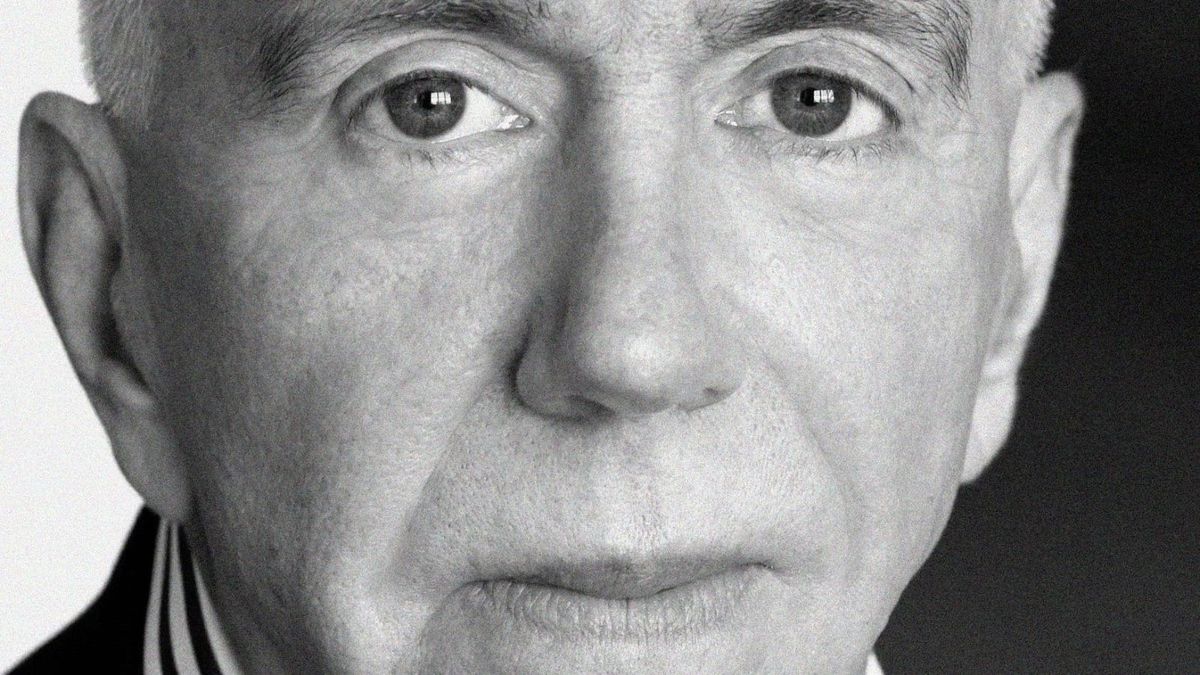
Later, on cross-examination, she agreed with characterizations that Prevez shared the passcodes with her after telling her he feared he might die, including by suicide, and had expressed suicidal thoughts after his mother’s death.
She also said Prevez visited her home in Cuba and knew she lived with her partner, whom he disliked, while continuing to express romantic interest despite her telling him she only wanted friendship.
Hernandez agreed with characterizations that he was “obsessed" and acknowledged blocking his number at some point in 2024, but could not recall when.
“When you come to claim my things, you won't need a lawyer. Just access the accounts, empty them, and take everything for yourself,” Prevez wrote to her on December 29, 2023.
On January 11, 2024, just days before the murder, Prevez wrote to Hernandez that he would be making another trip to Rio for tours into the favelas.
“I asked not to go into Santa Marta or the central part of Rio, which are the most dangerous, but something unpleasant could still happen,” he said. ”I'll do everything I can to prevent that from happening.”
In the next message, Prevez wrote, "When I finish the job, which I hope will be quick, you should receive the $9,000." She later testified she received $5,000.
"They're tourist. They want to see ugly parts of Brazil too, and they're going to pay for it,” he added.
The day of Sikkema’s murder, Prevez messaged Hernandez referencing a total payment of $25,000 in messages and said, “Everything went really well.”
She later received $5,000 in cash after being directed to pick it up at an address by a woman she said was connected to Daniel, though she never met him in person and only communicated with him via WhatsApp.
Hernandez acknowledged speaking by phone with Daniel on two separate occasions. She said one call in January 2024 related to arranging the pickup of the $5,000 payment.
She testified that Prevez told her to keep a number for Daniel and to contact him if she could not reach Prevez, though he did not explain why. She later called Daniel after learning from Prevez’s attorney that he had been jailed, saying she did so at Prevez’s direction but could not recall the substance of the conversation.
“I usually delete everything. I do not save any types of chats or any sort of information that is just not going to be important to me,” she said when asked by prosecutors why she had deleted their messages.
She also discussed the call related to the logistics of the payment in messages to Prevez. In them, she indicated that Daniel would be visiting Cuba, but that his travel had been delayed to February 2024 for unknown reasons.
Hernandez also recounted exchanges with Prevez in the days after the murder, in which the pair were coordinating the delivery of a new phone to her.
“The bad news, which isn't so bad, is that they kept talking and telling me about it and they convinced me. I can't leave from here in a totally legal way, but anyway, once I reach the border, I'll start jumping,” Prevez said, using a slang term for illegal border crossing. “I'm leaving here for the United States.”
The deposition was given in Spain after U.S. District Judge Edgardo Ramos cleared the way for evidence to be presented to a jury despite the witness being unavailable to appear in court, according to court records reviewed by Urgent Matter.
Ramos found that the witness’s testimony was “material” and necessary to prevent a “failure of justice,” allowing the deposition to proceed overseas under Rule 15 of the Federal Rules of Criminal Procedure.
Daniel, who is currently being held at MDC Brooklyn, a federal pre-trial detention facility, was present remotely in the deposition.
The decision came weeks before Daniel is scheduled to stand trial on May 11 in Manhattan federal court, where he has pleaded not guilty to charges including passport fraud and his alleged role in the death of his husband.
The ruling is part of a flurry of final pretrial decisions shaping what evidence jurors will hear when the case goes to trial.
Follow along with other art crime stories at Urgent Matter’s art crime tracker.