Thieves steal four Renoir paintings from Cagnes-sur-Mer museum, two still missing
The two paintings left behind — Portrait de Madame Stephen Pichon and Coco lisant — were recovered near the museum.

The two paintings left behind — Portrait de Madame Stephen Pichon and Coco lisant — were recovered near the museum.

Two people broke into the Renoir Museum in Cagnes-sur-Mer, in the south of France, early Tuesday and took four paintings by Pierre-Auguste Renoir, abandoning two as they fled, the town and the French Culture Ministry said.
The four works had been on deposit from the Musée d’Orsay since 1995 and hung in the museum’s Chambre Gangnat, the French Culture Ministry said in a statement.
The two paintings left behind — Portrait de Madame Stephen Pichon and Coco lisant — were recovered near the museum, the ministry said. The two that remain missing are Portrait de Madame Colonna Romano and La Jeune Femme au puits.
Three of the four are classified as Musées Nationaux Récupération, or MNR, the ministry said. The status was created by a September 30, 1949 decree for cultural property recovered after World War II whose owners could not be identified. The French government keeps such works as a provisional holder. The ministry did not say which three.
The museum’s alarm sounded at 5:48 a.m., and municipal police arrived at 5:53 a.m., the town of Cagnes-sur-Mer said in a statement posted to Facebook. The town said the two people were seen on its video surveillance and fled.
The town’s first post said one painting was dropped during the escape. In a later post, the town and ministry said two works had been abandoned and found in the museum gardens.
“Exceptionally, the Renoir Museum is closed to the public until further notice,” the town said.
The town said it would hold back details to protect the inquiry. “So as not to hinder the investigation, no information that could compromise it will be released,” it said in the later post.
Mayor Bryan Masson, of the National Rally party, tied the theft to organized crime and called for a national response.
“To steal from a museum is to attack the heritage of the French and our culture,” Masson said in a post on X. “Faced with organized networks, securing our museums must become a national priority.”
In a video, Masson compared the theft to the Louvre and urged the Culture Ministry to release funding for museums. He said the works were “the target of gangs, mafiosi, of people who want to commit the worst.” He launched audits to secure the Renoir Museum and the town’s other museums, including the Grimaldi Museum, with his cultural adviser.
The Culture Ministry, led by Catherine Pégard, condemned the theft and renewed a call for tighter security at cultural sites.
The theft revealed “in brutal fashion the vulnerability of museums,” the ministry said. Pégard called for the urgent establishment of a strengthened safety culture in museums.
The ministry said it had entrusted the investigation to the sub-directorate for combating organized crime and specialized delinquency. Municipal and national police were mobilized, the town said.
Pégard announced a museum security plan in July 2026 with a €30 million security fund, the ministry said. It said 482 priority projects had been supported nationwide. The plan strengthens the ministry’s security, safety and audit mission, known as Missa, with random inspections and a required Missa sign-off for all loans of works from national museums.
The ministry said it was identifying the most urgent needs for 2027.
The four paintings were registered as stolen on the Art Loss Register’s database the day of the theft, said James Ratcliffe, the group’s director of recoveries and general counsel. He called the theft “just the latest in a series of thefts from French Museums in the last year” in a statement provided to Urgent Matter.
“It is a useful, if sad, reminder that museum security is a complex area and that just as museums have been adapting to the increased targeting of objects made of precious metals and gemstones for the commodity value, they must also remain alert to the risk of more traditional art theft,” Ratcliffe said.
Ratcliffe said the thieves would have trouble profiting from the works. “In this theft from the Renoir Museum it seems that the thieves may not have thought enough about how to monetise their haul,” he said. “Pictures with the reported value of 9m EUR between them are not easy to sell on once stolen.”
The thieves’ best move now would be “to find a way to return the two works that were not abandoned to the museum prior to any damage occurring to the works,” Ratcliffe said.
 Adam Schrader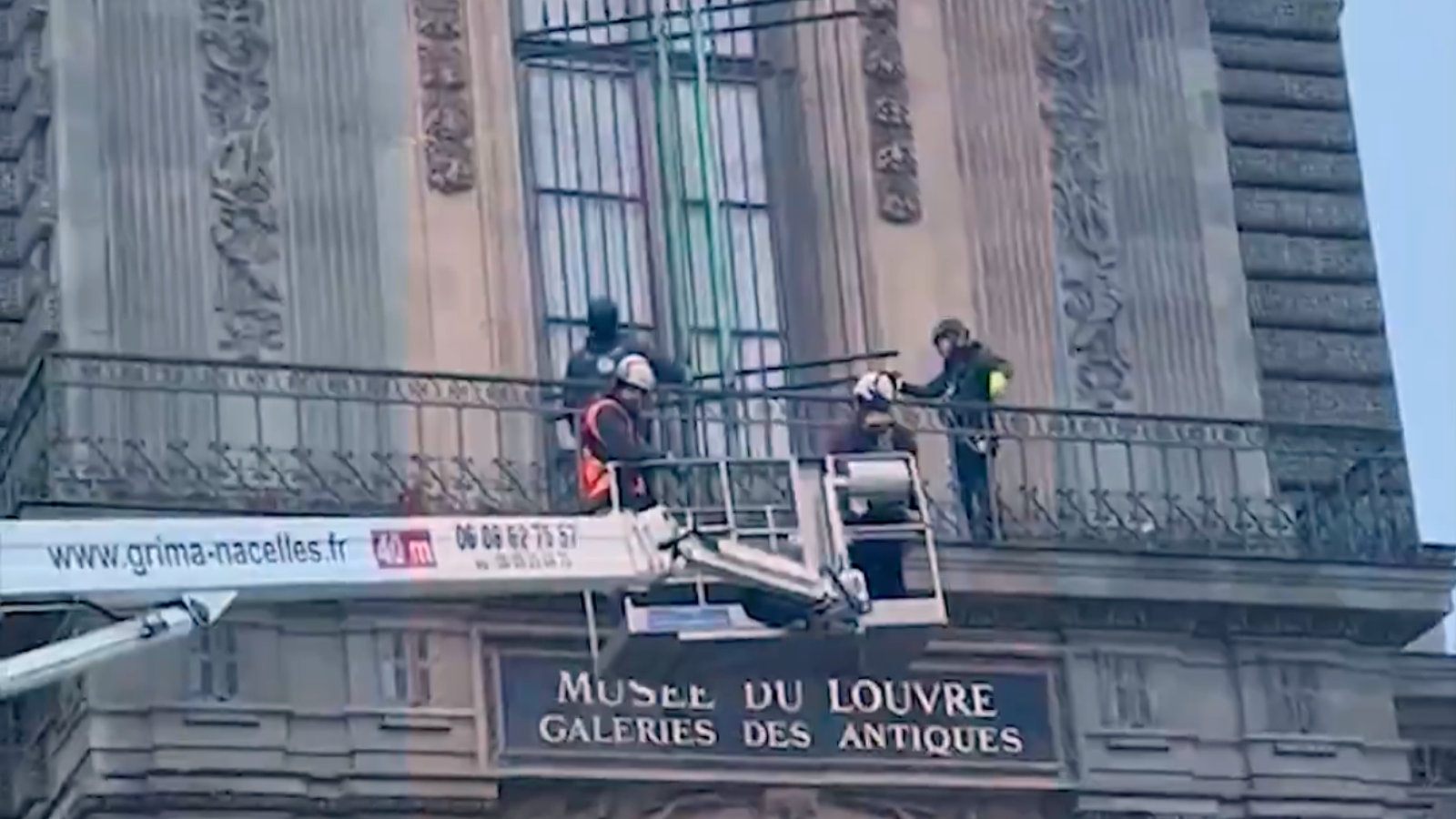
He said the thefts were not only a French problem, pointing to the loss from the Louvre last October. “It would be naive to think that it is not relevant to museums across the world,” he said.
The four paintings are among more than 100 Renoir oil paintings the register is searching for in the roughly half a million checks it runs on artworks in the market each year, Ratcliffe said. He said the works would “continue to be sought for years to come” even if they are not recovered quickly.
The Renoir Museum was created in 1960 in the painter’s last home on Collettes hill and holds about a dozen original Renoir paintings, the museum’s website says. The municipality bought the estate that year from Renoir’s youngest son, Claude Renoir.
Follow along with other thefts and vandalism at Urgent Matter’s art crime tracker.