How to buy beautiful things from all over the world
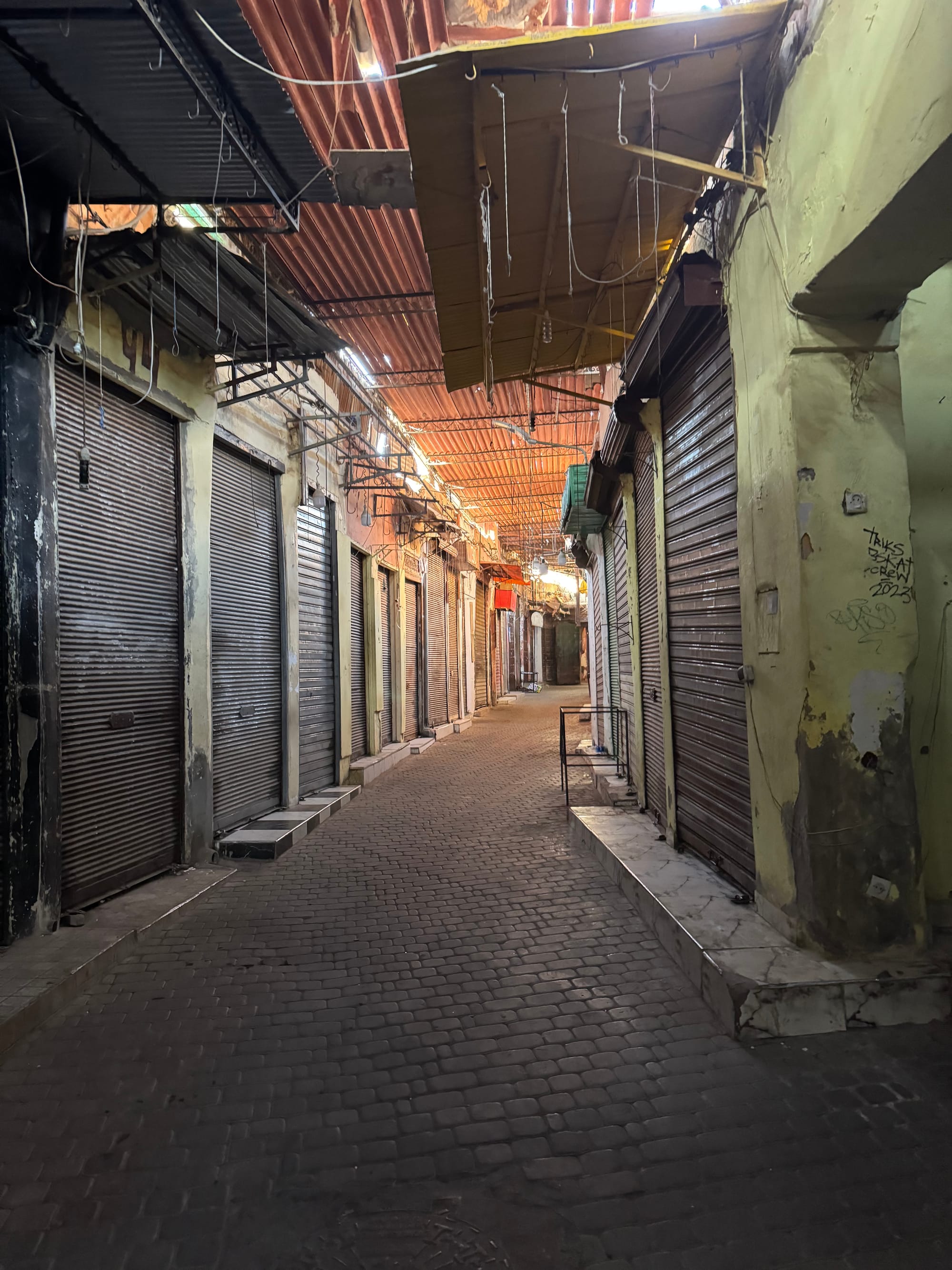
In Marrakech, avoiding the souks felt cowardly.

In Marrakech, avoiding the souks felt cowardly.
The rug dealer wanted cash. I did not have enough, so I ended up on the back of a Moroccan man’s moped, cutting through Marrakech traffic toward an ATM.
I didn't feel afraid. But after years covering crime, I had the brief thought that hitching a ride with a stranger to a cash machine was a spectacular violation of my professional training.
I had landed in Morocco after being laid off from Artnet News and spending months at home with two small children. I was not on assignment or on vacation in any restorative sense. I was recently unemployed, considering launching an arts publication called Urgent Matter, and trying to remember what it felt like to be myself.
Initially, I had been researching a trip to Cartagena. But something about riding camels under the moonlight in the Sahara won out. The moment I walked out into Marrakech, the overwhelming feeling wasn't anxiety. It was relief.
I had come to Morocco with a loose plan for the week. I wanted to reach the Sahara, eat at Amal, the women’s collective restaurant in Marrakech, and maybe get to Essaouira. I also wanted to walk the souks with just enough cash to get into trouble.
I am not a shopper. I wear clothes until they are tattered and do not care about new gadgets or the latest iPhone. But in Marrakech, avoiding the souks felt cowardly.
The souks smelled unlike anywhere I have been in the United States: spices I could not name, leather, animals and sweaty bodies. Mopeds ripped past pedestrians and donkey-pulled carts and endless shops filled with slippers, lamps, rugs, drums, bags, jewelry and ceramics.
I went into the souks with a Swiss woman I met at my hostel. She spoke Arabic. I did not. Neither of us had really been through the markets yet, so we wandered in together and eventually found a rug collective. There was bargaining, translation, hesitation and more bargaining. Then there was a price I could live with and a rug I wanted badly enough to get on the back of a stranger’s moped.
The moped ride ended at an ATM. I got the cash and we zoomed back through the crowd to the rug man. I paid him and got my rug. He then took me to a spice stand where I am pretty sure I got ripped off.

The next day, I was in a van heading toward Merzouga.
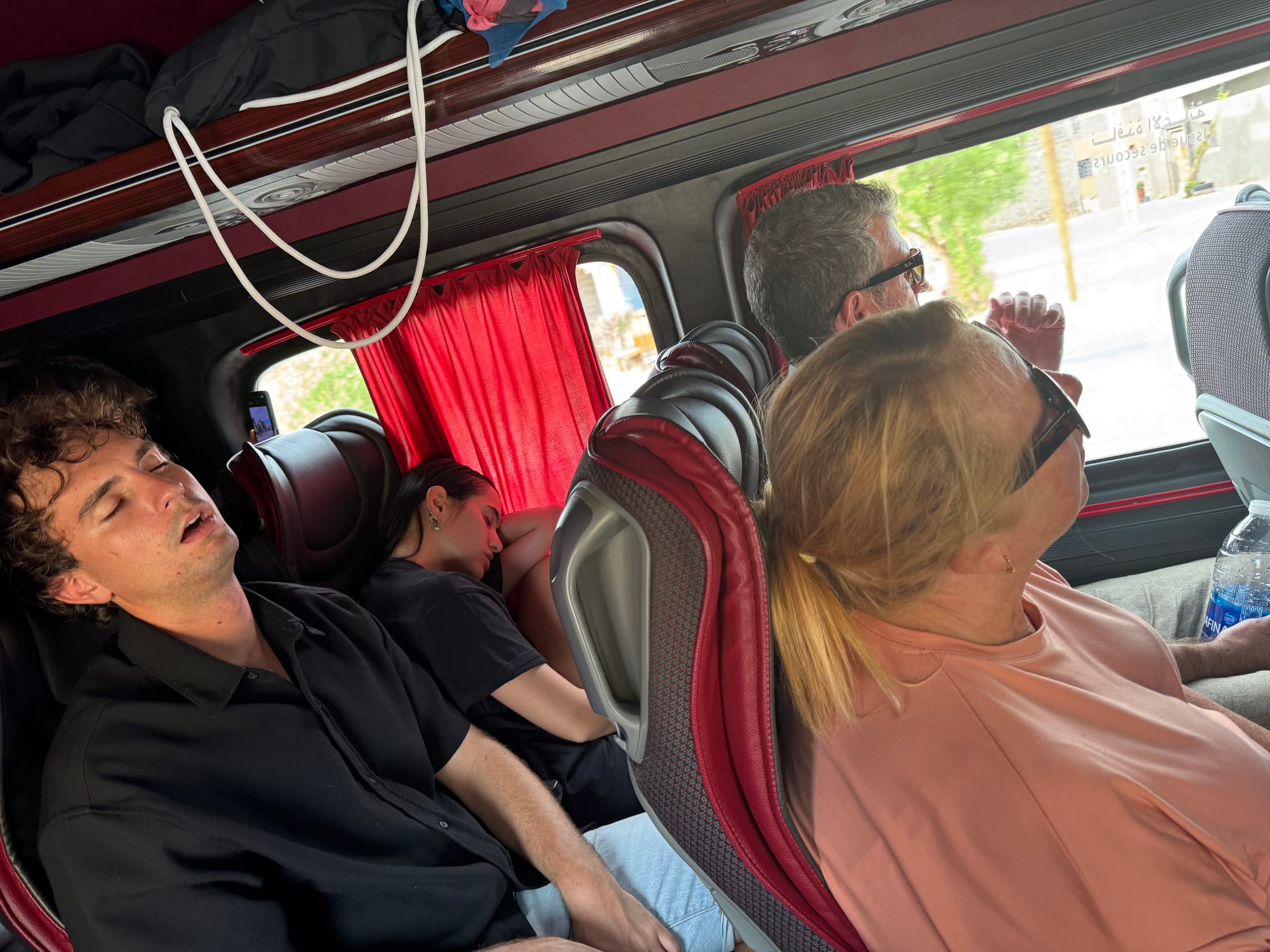
It was an old, vaguely hippie vehicle with a fading red interior, packed with about sixteen people. Most were under thirty-five and traveling in pairs, dominated by a crew of Syrian expatriates living in Germany who bonded over shared language.
I became a bit of a satellite to their group. We swam in a hotel pool together, and after a failed attempt to find a belly dancing show back in Marrakech, we ended up at a local street fair having an absolute blast.
But on the long stretches of road while others slept or talked, I sat by myself, watching my phone screen and praying for roaming data to cooperate long enough for Shazam to catch the names of the North African songs blaring over the van’s loudspeaker.
The tour was the usual tourist circuit—scenic views, planned meals and souvenir stops. Not particularly authentic, whatever that means. But it gave me time to talk with the Amazigh guides. After a class on Arabic and Middle Eastern Art at Brooklyn College, I wasn’t shy about asking questions about rugs, jewelry, and Amazigh culture.
At one point, the tour stopped at another women’s rug collective in a small town along the way. The pitch happened. The rugs came out. People looked, nodded and maybe asked a few questions, then left. I stayed behind.
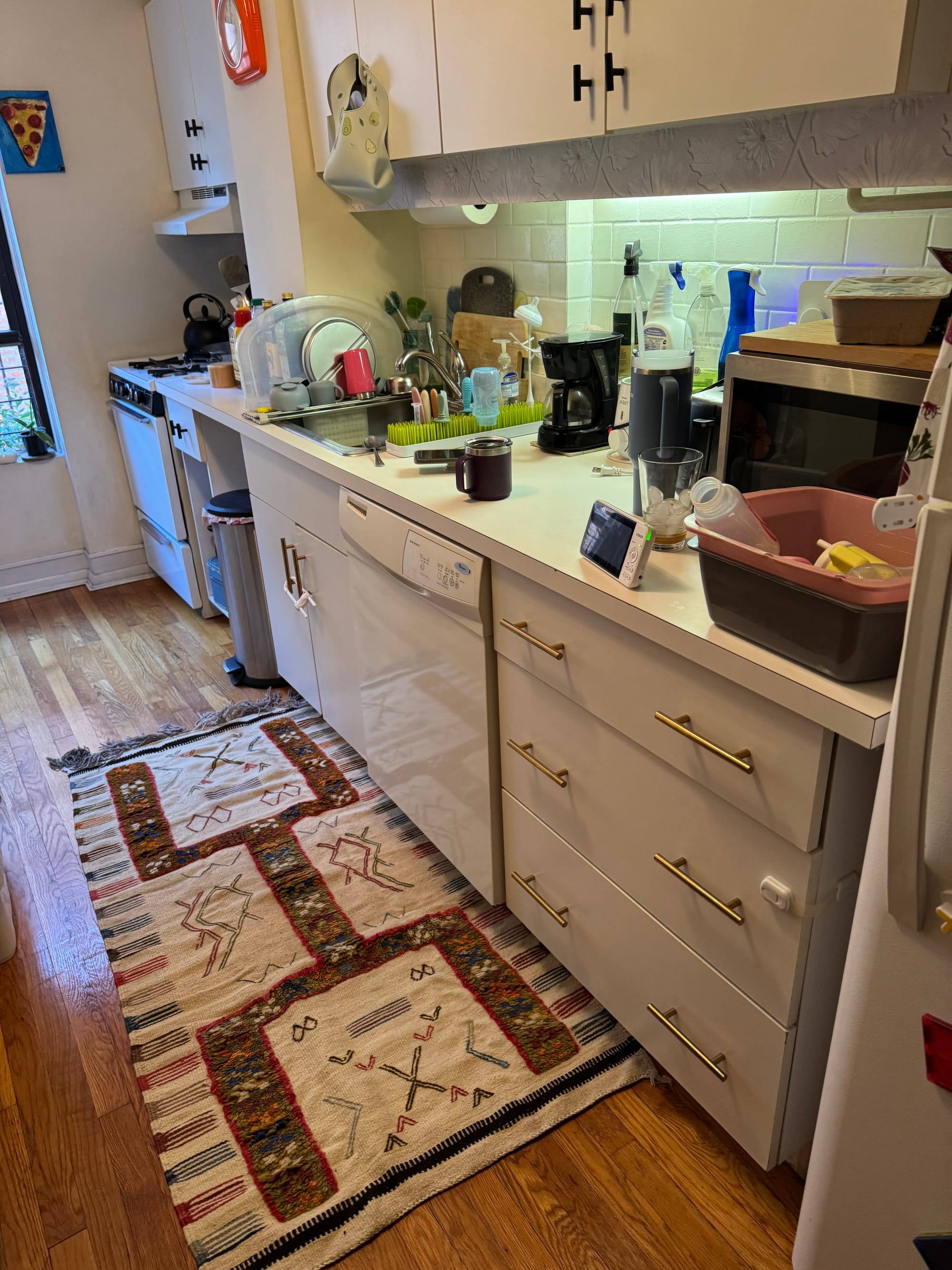
There were two rugs I wanted. One was within budget and one was well above it. I tried negotiating for the more expensive one, but the price did not come down to a number I could afford. So I bought the cheaper rug.
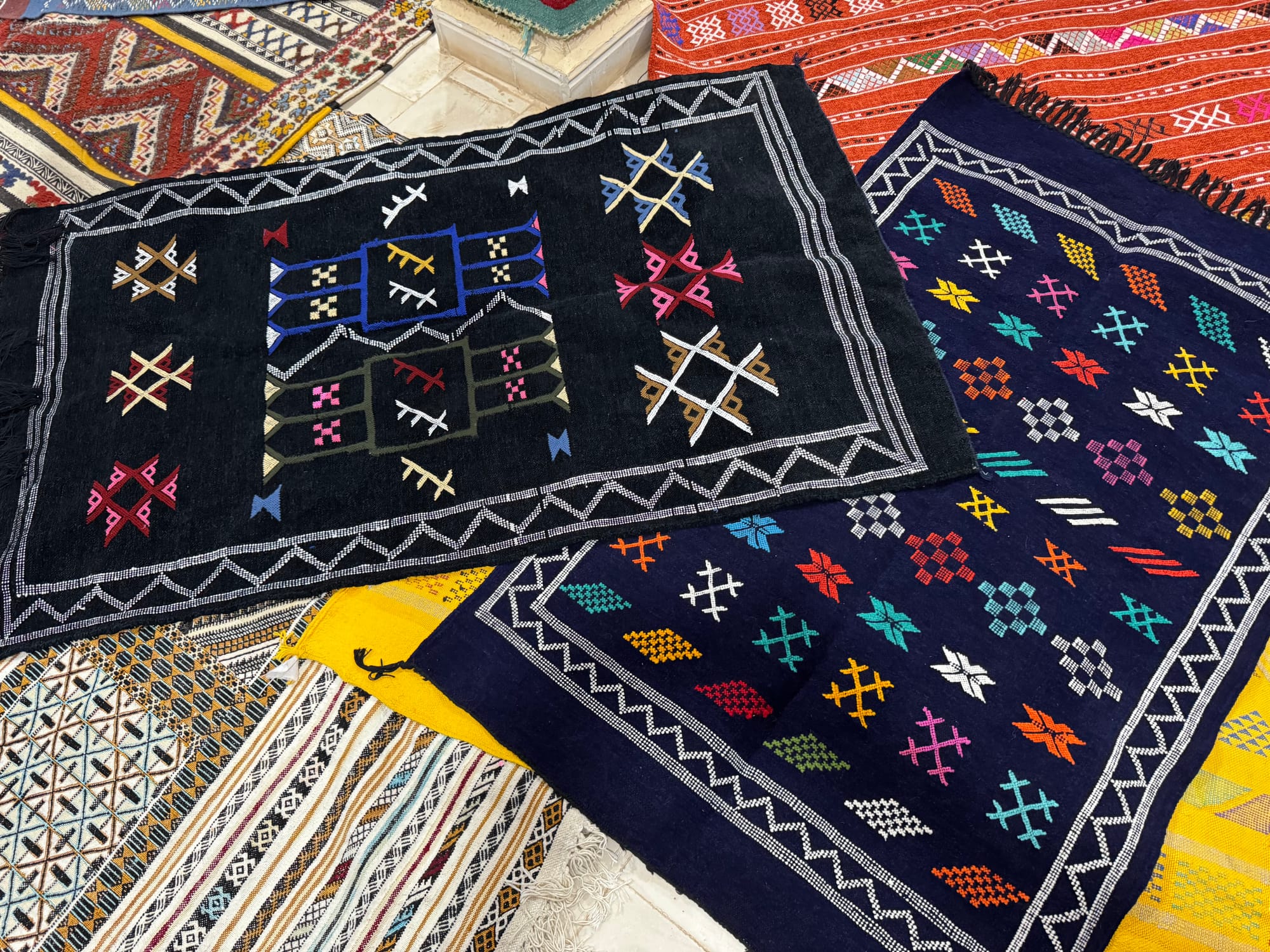
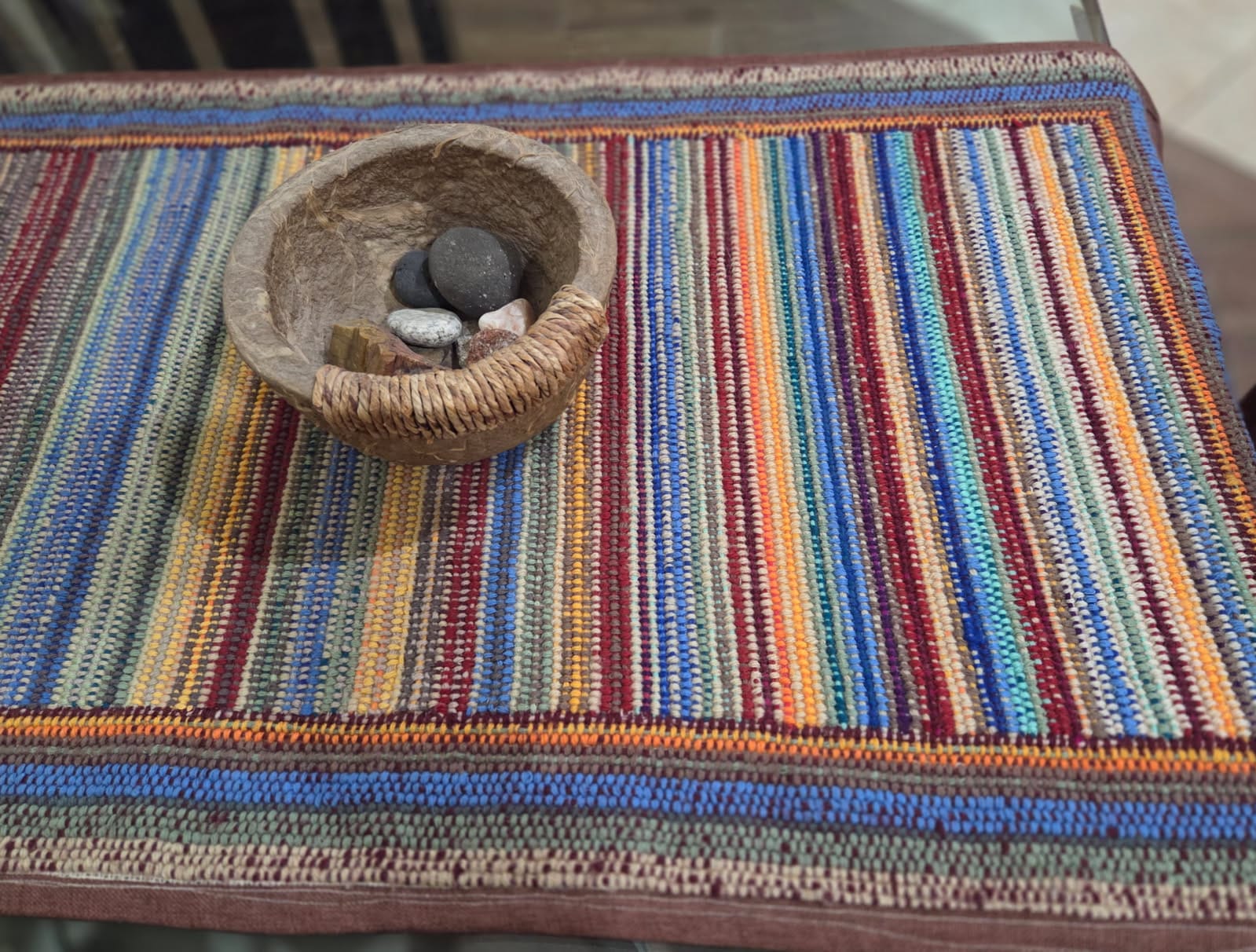
While the rug was being wrapped, the salesman’s posture softened. The pitch was over, the money had changed hands, and we just started talking. I told him about my kids, the Little Girl and the Little Boy, and how I had spent the last several months at home taking care of them after losing my job. I mentioned I thought they would love the texture of that orange one.
Then I said goodbye and began to leave. He stopped me at the bottom of the stairs and told me to come back up. I did, and he turned to one of the local women working the collective. He asked her quietly if it would be okay to give me the more expensive rug instead. She looked at him, smiled, and nodded her approval.
The boss turned back to me, swapped the packages, and handed over the orange wool. "Don't tell anyone I made this deal with you," he said.
I’ve worried since then that writing about this feels like a slight violation of that request. But what mattered wasn't the haggle or the discount. It was that brief, private moment of symmetry inside a room in Tinghir—where a salesman checked with a weaver to see if it was okay to be kind to a stranger, and she smiled, and for a second, we all stopped playing our assigned roles.
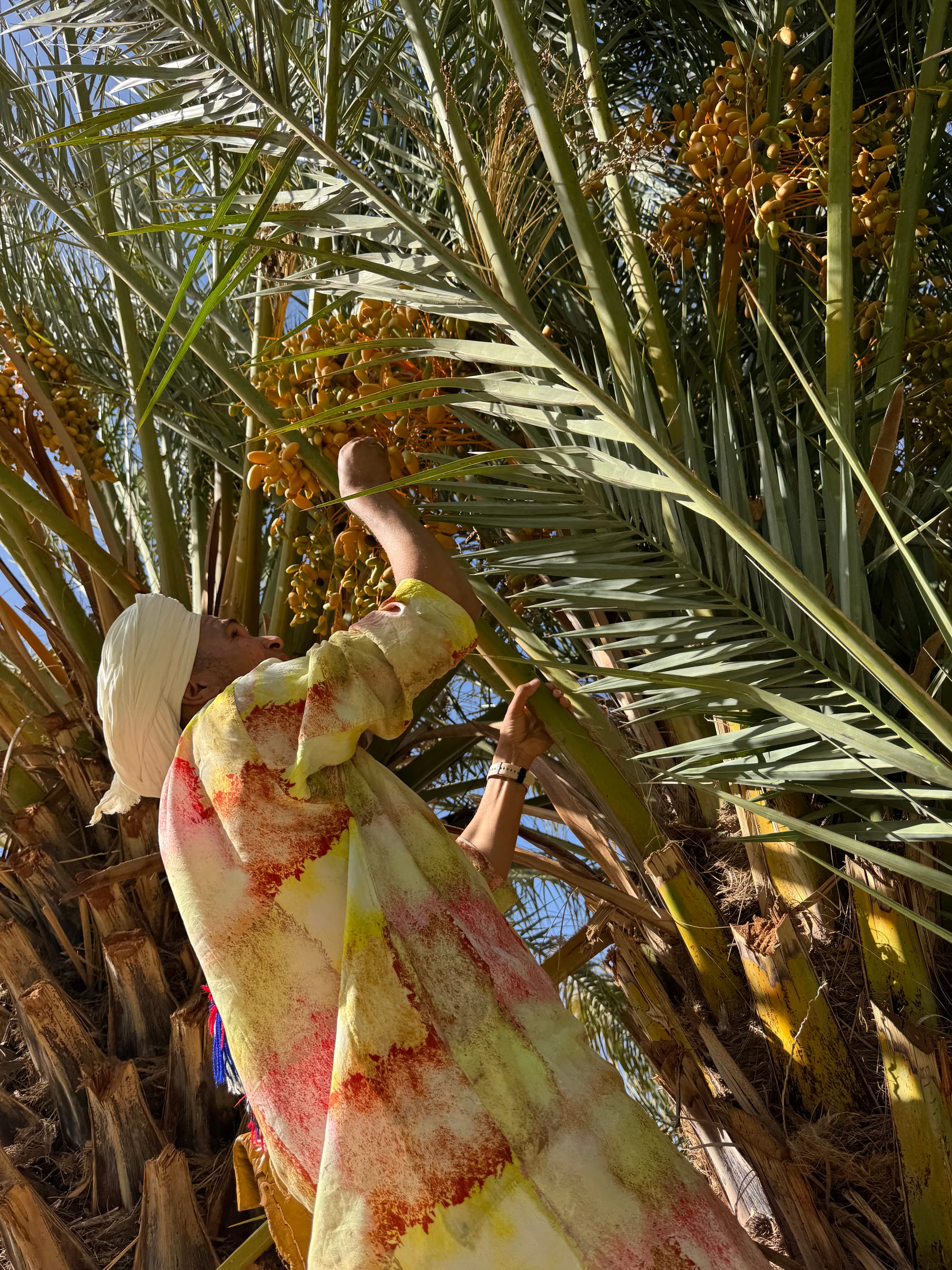
Later, as the Sahara trip was wrapping up, we stopped somewhere in the Atlas Mountains. My guide, an Amazigh man I had befriended, helped me negotiate for a silver bracelet at a gas station pit stop, an item my former professor at Brooklyn College had asked for. I had been searching for it the whole trip.
I spent another day in Marrakech before deciding last minute to rent a car for Essaouira. There, I again hit the shops and I found a jacket I wanted and did not have enough money left to buy it.
By then, I was feeling the anxiety of spending too much money like a gambler who’s up but doesn’t know when to stop. I had even acquired a leather duffel bag because the other objects needed somewhere to go. The guy asked if I had anything else in my bag he might want. He took a pair of Crocs and some dirty gym shorts. I have worn the jacket over and over again since.
When I asked my family how they buy things while traveling, nobody gave the answer a design magazine would want.
"I don't know if my trinkets and wares have been good or not," my brother Tristan told me. "I've bought things that remind me of other people, look good on display, or have some utility."
He’s definitely bought some junk before, but his best rule is to be led away from the main market streets by vendors who want to show him their whole collection to get him exactly what he's looking for, or connect him with the right person.
My father noted that the hunt has changed since we were kids. He remembered traveling to France for work decades ago, when finding a unique local toy for us was easy.
“But now mass market stuff from the U.S. and other countries fill the shelves,” he said, adding that everything can now also be bought online. So it's become more difficult.
To beat that, he looks for the hyper-specific anomaly—like a purse made of harvested cork he tracked down in Portugal for my sister, Julianna.
"I always go to the little tents or tiny stores and ask who makes it first," Julianna said of her time in Brazil. "Find a smaller location and ask them about their products."
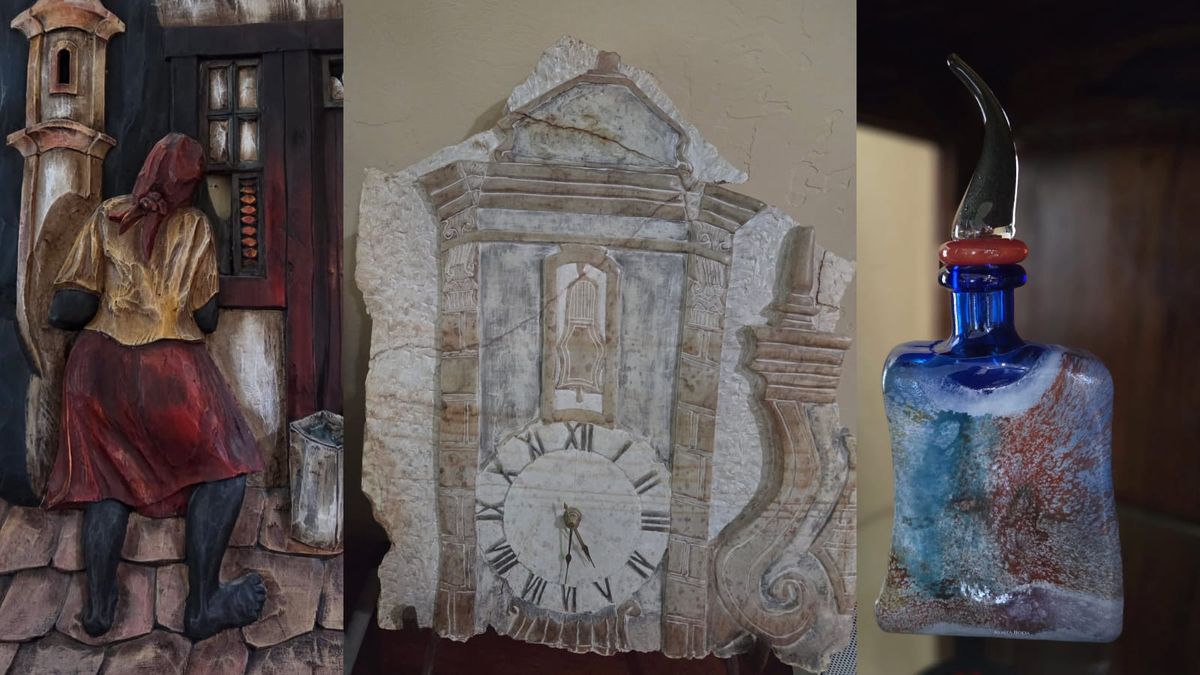
My mother sent me a flurry of text messages and photographs: bananá-máchê artwork from an artisan's shop; figures of Lampião and Maria Bonita; a bowl made of banana fibers; a soapstone clock from a street fair in historic Ouro Preto; a handmade olive oil holder from Spain used at every family meal.
She remembered watching a woodcarver named Álvaro José da Silva working in his studio in Mariana before buying his art, and buying a tapestry kit at a museum in Portugal just to learn the basic stitch. In Iceland, she found a tiny Viking boat with “three dudes on one side and a little girl on the other” which is now among her favorite things she has ever bought overseas.
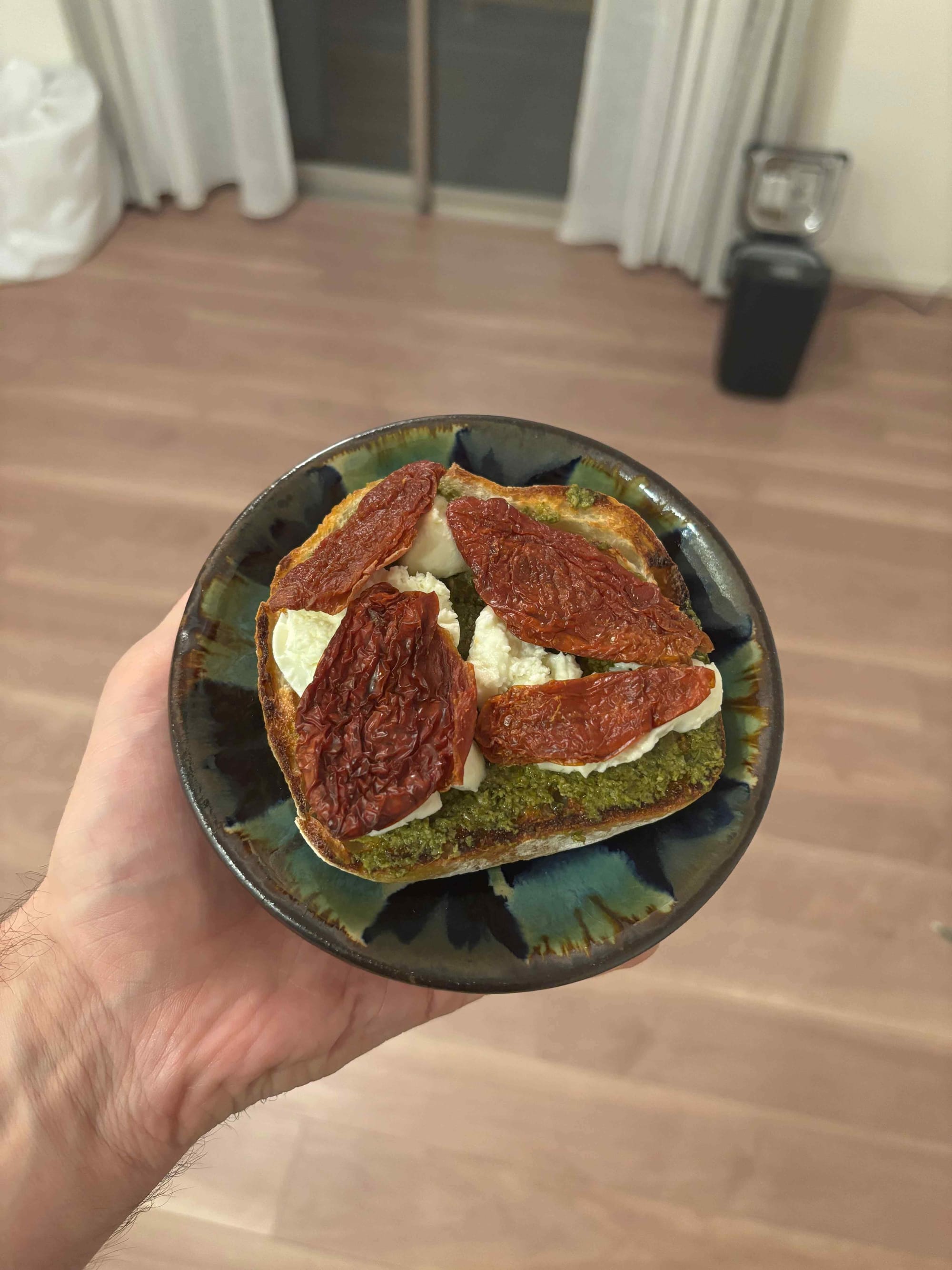
My brother Tahoe has a similarly permanent attachment to a plate and cup he made himself in Okinawa, painted to look traditionally Okinawan alongside a local potter who taught him the technique. It was expensive, but it became a physical record of the afternoon.
I have lived in Brazil. Julianna lives there now. Tahoe lives in Japan. Tristan has lived in India and Brazil. Collectively, our family has moved through enough places to understand that the line between souvenir, decoration, craft, and art is usually messier than people pretend.
The things that last aren’t always the rarest, most tasteful, or even the most expensive. They’re the ones that make it back into daily life — on a shelf, in a child’s room, around a wrist, or folded in a closet until the kids are old enough not to ruin them.
Stories like this take time, documents and a commitment to public transparency. Please support independent arts journalism by subscribing to Urgent Matter and supporting our work directly.