A court in northern China has postponed the verdict in detained artist Gao Zhen's case for another three months, his family said, extending an imprisonment that has now lasted some 660 days.

The Sanhe City People's Court delivered a notice to Gao on the afternoon of June 10 stating that the verdict would be delayed three months because the case was "major and complex," the family said in a Facebook post.

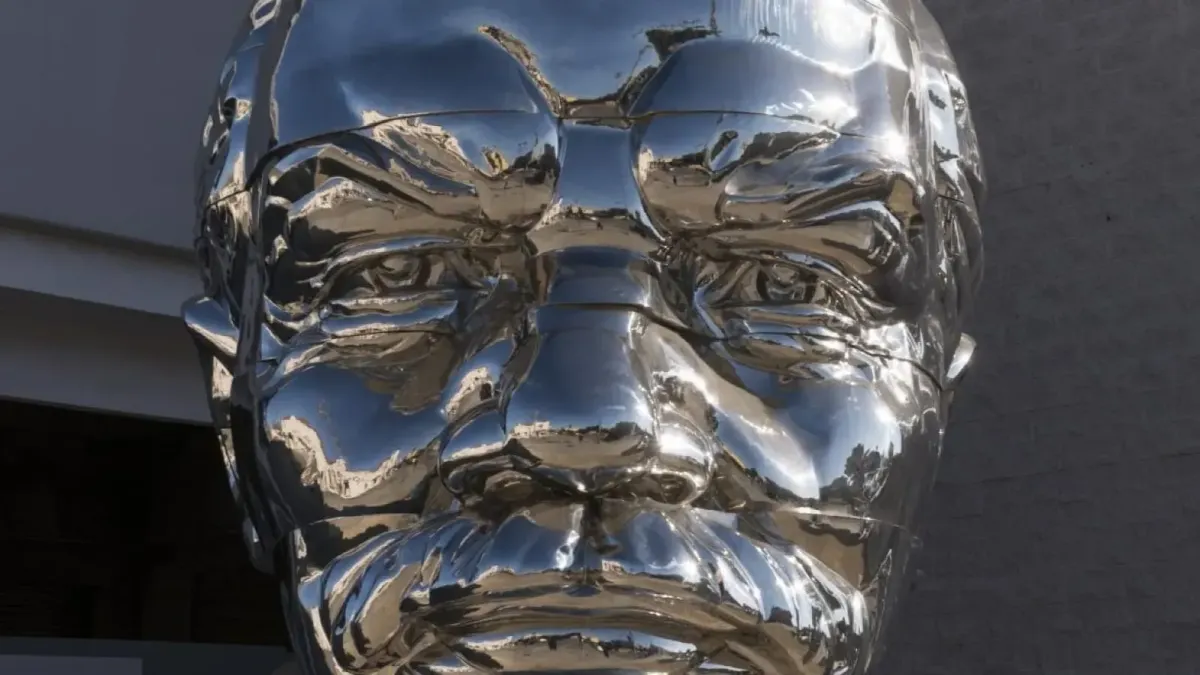
Gao, 70, one half of the Gao Brothers artist duo and a permanent resident of the United States, was charged with "slandering China's heroes and martyrs" under a 2021 law for sculptures of Mao Zedong he made over a decade ago. He faces up to three years in prison.

The court did not elaborate on why the case was deemed "major and complex," the family said.

“It almost seems as if Gao Zhen’s case is more ‘major and complex’ than Mao Zedong’s crimes: the reckless abuse of power that led to the unnatural deaths of tens of millions of people in peacetime,” Gao’s family said.

His closed-door trial began March 30 and lasted a single day at the court in Hebei Province. Urgent Matter previously reported the proceedings had been delayed three times before starting.

"Art is not a crime. No one should be punished solely for their creative work or expressing personal views," the family said in a post Wednesday.

The family renewed its call for authorities to release Gao and return the more than 100 artworks confiscated from his studio.

Gao was detained on August 26, 2024, while traveling in China with his wife and son. His wife and his seven-year-old son, a natural-born U.S. citizen, have been barred from leaving the country.

After his arrest, police in Sanhe raided his studio and confiscated some 118 artworks, carting them away in as many as seven trucks, his family has said.

Gao is in poor health, Urgent Matter previously reported. He fainted in September, after which a jail doctor said he may have arteriosclerosis, and Chinese authorities have denied his application for medical bail.

United Nations human rights officials expressed concern over the trial in April, citing the retroactive application of criminal law and the use of criminal sanctions to punish artistic expression.

The Human Rights Foundation has submitted a complaint to the U.N. Working Group on Arbitrary Detention on his behalf.

Stories like this take time, documents and a commitment to public transparency. Please support independent arts journalism by subscribing to Urgent Matter and supporting our work directly.

Share this article
The link has been copied!