Brazilian art is gaining a deeper New York foothold, Almeida & Dale says
The São Paulo gallery is presenting at both Frieze New York and Independent.

The São Paulo gallery is presenting at both Frieze New York and Independent.
Brazilian art is gaining a firmer foothold in New York, a partner at São Paulo gallery Almeida & Dale said, as the gallery presents at two major fairs following its merger with Millan.
Hena Lee, partner director at Almeida & Dale, told Urgent Matter the difference now is “the level of continuity and structural integration,” with deeper ties among galleries, museums, collectors and artists internationally.
“In earlier moments, there was sometimes a tendency to frame Brazilian art through temporary waves of international fascination or through a limited number of recognizable names,” Lee said.
Lee said interest in Brazilian art has become broader and more sustained, alongside growing attention to Latin American art more generally.
“There is greater institutional engagement, deeper curatorial research, and a stronger ecosystem connecting galleries, museums, collectors, and artists internationally,” Lee said, adding that Brazilian artists are increasingly shown abroad without being defined solely by their national identity.
But Lee said major gaps remain, including for artists outside Rio de Janeiro and São Paulo, Indigenous artists, less object-based practices, and historical Brazilian artists still overlooked outside Brazil.
“Part of the challenge is structural. International circulation requires long-term investment, scholarship, institutional support, logistics, and sustained advocacy. It cannot happen instantly,” Lee said.
“One of our commitments as a gallery is precisely to contribute to expanding those frameworks and creating conditions for broader visibility over time.”
Her comments came as Almeida & Dale presented at both Frieze New York and Independent.
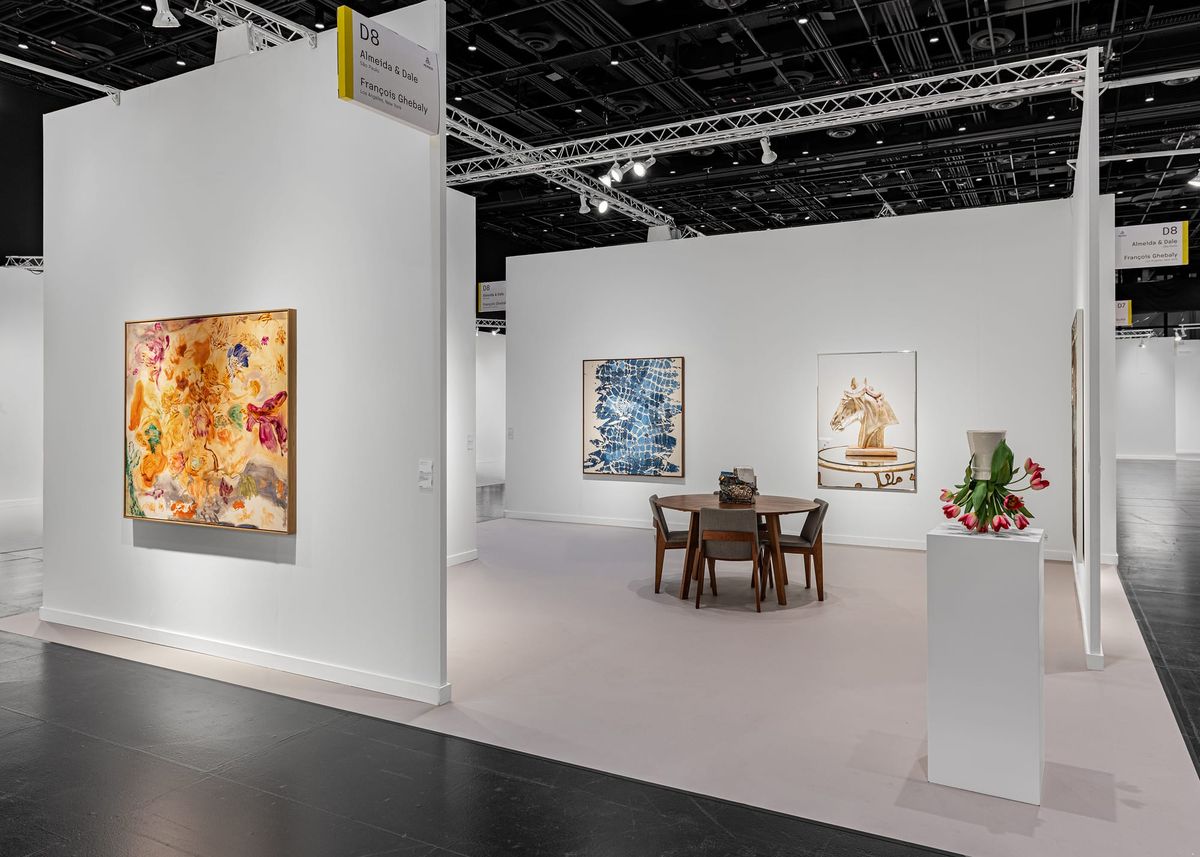
At Frieze, Almeida & Dale partnered with François Ghebaly for the first time on a group presentation that brought together Brazilian artists alongside artists from Ghebaly’s program and other international figures.
The booth included works by Alex Červený, Beatrice Arraes, Jaider Esbell, Lorenzato, Maxwell Alexandre, Rubem Valentim and Vivian Caccuri, spanning painting, sculpture, installation and sound-based work.
Lee said the Frieze partnership was intended to be more than a shared booth, bringing artists from both galleries together around overlapping interests rather than national categories.
“For Almeida & Dale, partnerships like this are important because they expand the contexts in which Latin American artists are seen,” Lee said. “They create situations where artists are not framed as isolated regional positions, but as active participants within broader contemporary discussions.”
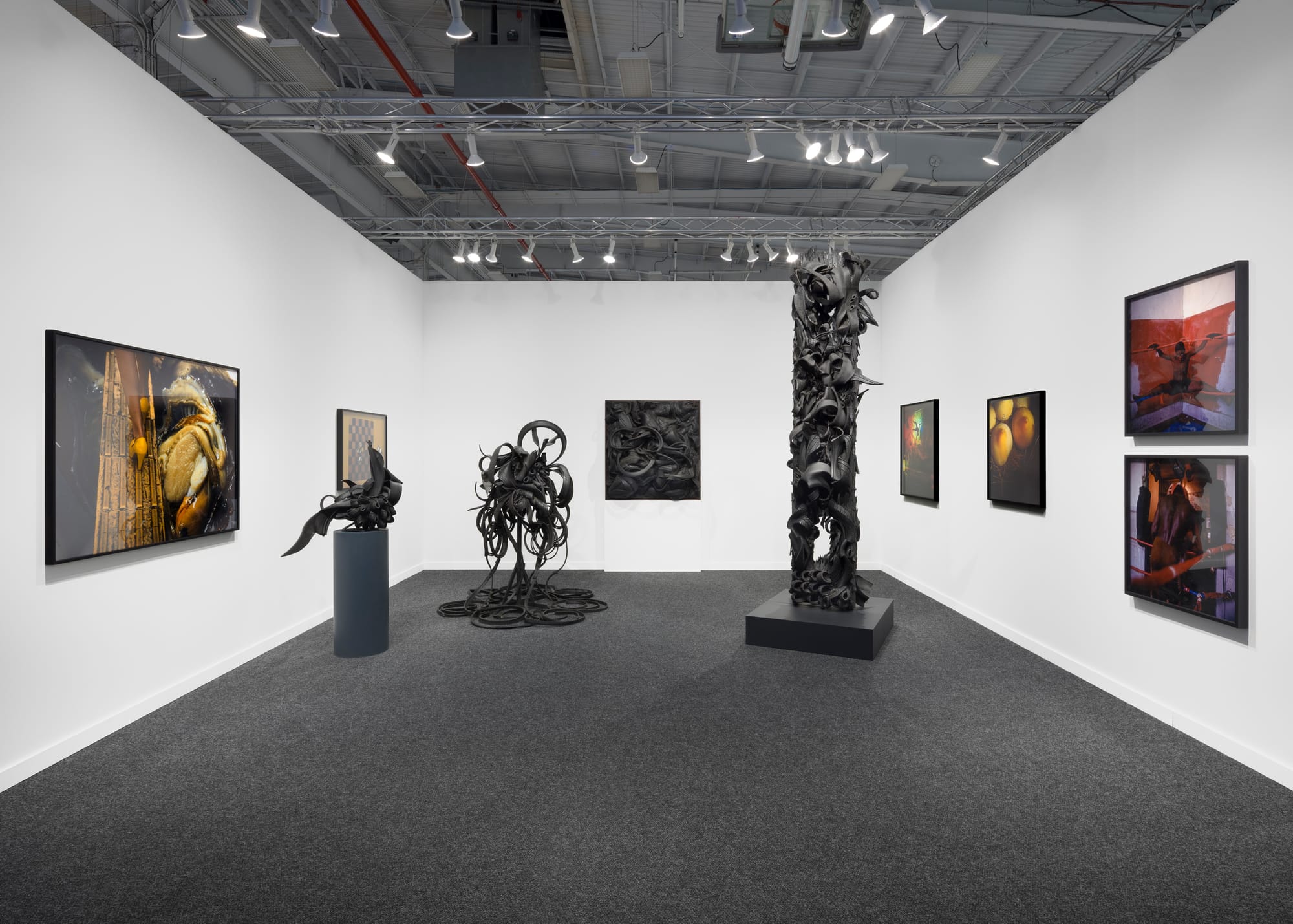
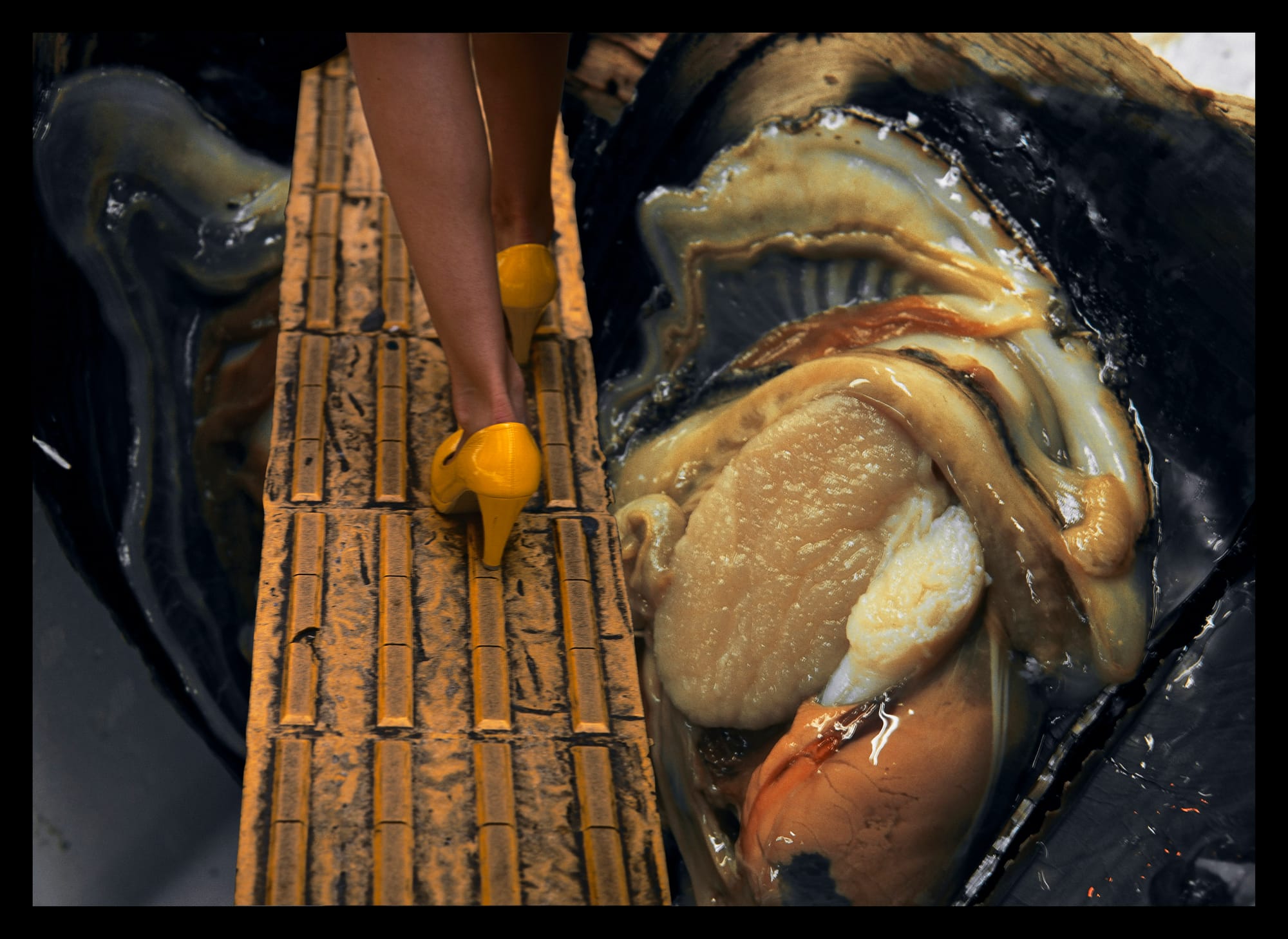
At Independent, the gallery collaborated with David Nolan Gallery on a two-artist presentation pairing Brazilian photographer Miguel Rio Branco with American sculptor Chakaia Booker. The presentation included Rio Branco works made between 1985 and 2011 alongside Booker sculptures made between 1996 and 2023.
“For us, the two fairs operate almost as two different curatorial languages,” Lee said.
Lee said Frieze allowed the gallery to build a broader presentation across generations and geographies, while Independent offered a focused dialogue between two artists whose connection was less obvious.
“What interested us in this pairing was precisely that it is not immediately obvious,” Lee said.
Rio Branco’s photographs portray marginalized communities and urban spaces, while Booker is known for sculptures made from industrial rubber. Lee said the connection was not subject matter but the artists’ shared attention to texture, surface, physical presence, and the weight carried by materials and forms.
“We also hope the pairing, in collaboration with David Nolan, reveals something about Rio Branco’s work that may be less immediately visible in a solo presentation: the extent to which his photographs can be experienced almost as tactile objects themselves,” Lee said.
At Frieze, the gallery is also presenting works by Maxwell Alexandre, including pieces from his Talipot series and works from Clube, which Lee said engage with the artist’s idea of “white figuration.”
The Clube works grew out of Alexandre’s experience at Clube de Regatas do Flamengo in Rio de Janeiro, a space the gallery described as historically associated with whiteness, leisure and privilege near Rocinha, where the artist was born and raised.
Lee said the Millan merger gave Almeida & Dale a larger team, broader infrastructure, and deeper institutional relationships, helping the gallery support more international projects.
“It also created a broader ecosystem inside the gallery, where historical estates, established contemporary artists, and younger practices can coexist in dynamic dialogues,” Lee said.
Commercially, Lee said fairs remain important sales platforms, but the value of the partnerships also extends beyond immediate transactions. They can build relationships with collectors, curators, and institutions that later lead to acquisitions, exhibitions, publications, or other projects.
“Commercial success remains important because it directly supports artists and enables future projects,” Lee said.
Lee said a strong week in New York can create momentum beyond sales, including institutional attention and encounters with curators, collectors, critics and other artists.
“For younger artists especially,” Lee said, “this kind of exposure can accelerate international recognition in meaningful ways.”
Stories like this take time, documents and a commitment to public transparency. Please support independent arts journalism by subscribing to Urgent Matter and supporting our work directly.