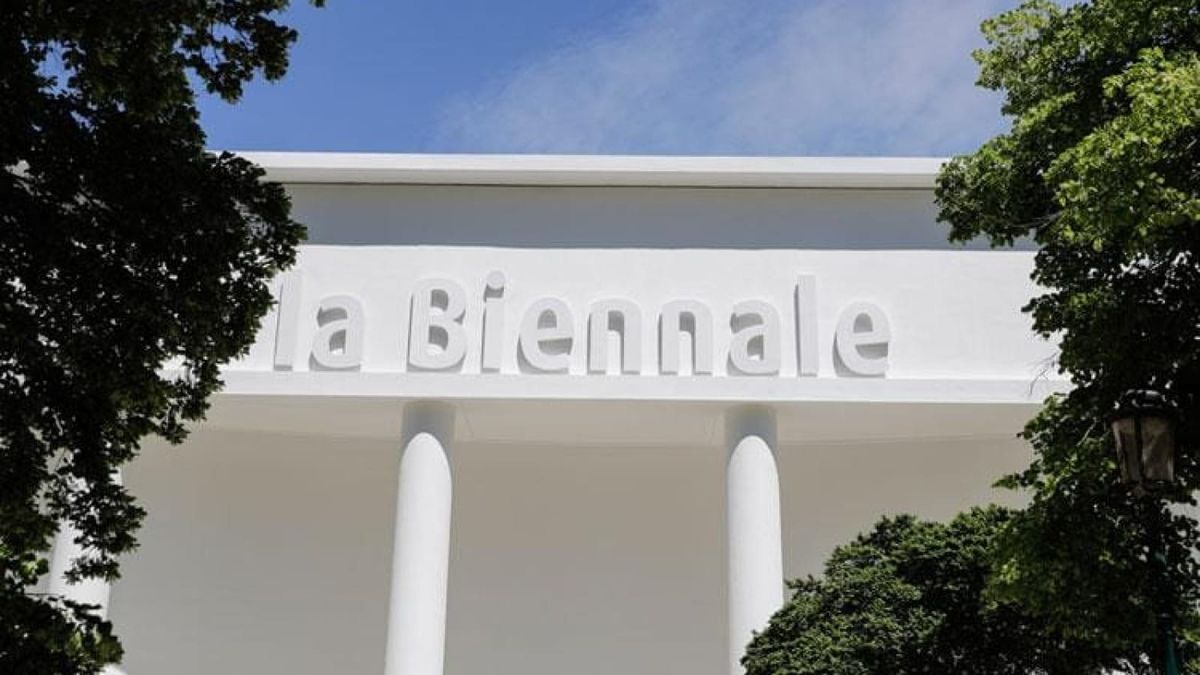
The Islamic Republic of Iran has withdrawn from the 2026 Venice Biennale, organizers said, becoming the latest flashpoint in an edition already defined by disputes over the participation of Israel and Russia.

La Biennale di Venezia confirmed in a statement Monday that Iran would not take part in the 61st International Art Exhibition, In Minor Keys, which opens May 9 and runs through November 22. No explanation was provided for the decision.

Iran’s withdrawal came as tensions intensified in the Persian Gulf on Monday. Iran and the United States traded new threats over control of the Strait of Hormuz, a key global shipping route—the closure of which has had a major impact on the art market since the U.S.-Israel war with Iran broke out in February.

Iranian missile and drone attacks struck targets in the United Arab Emirates, including an oil facility in Fujairah, while the United States launched a military escort operation to guide ships through the strait. Iran warned it will target foreign forces entering the waterway, showing the fragility of an ongoing “ceasefire.”

Meanwhile, the biennale has been engulfed in mounting geopolitical tensions tied to national pavilions. Russia, absent in 2022 and 2024 after its invasion of Ukraine, returned for the event—which has drawn criticism from European leaders and threats from the European Commission to pull funding for the event.

Organizers ultimately allowed Russia to participate, though its pavilion is not fully open to the public, a compromise that failed to quell backlash.

Israel’s participation has also been a focal point of protest. More than 200 artists and contributors have condemned its inclusion over the war in Gaza, with debates over Israel and Russia triggering a broader institutional crisis.

Those tensions culminated in the resignation of the biennale’s entire five-member international jury just days before the exhibition’s opening.  The international jury members were president Solange Farkas, Zoe Butt, Elvira Dyangani Ose, Marta Kuzma and Giovanna Zapperi.

The resignation followed disputes over awarding honors to artists representing countries whose leaders face international criminal scrutiny.

Stories like this take time, documents and a commitment to public transparency. Please support independent arts journalism by subscribing to Urgent Matter and supporting our work directly.

Share this article
The link has been copied!