Documents show scramble to recover art after Stephen Friedman Gallery collapse
Unpaid storage costs and consignment agreements complicated efforts to release works as administrators moved to return them.

Unpaid storage costs and consignment agreements complicated efforts to release works as administrators moved to return them.
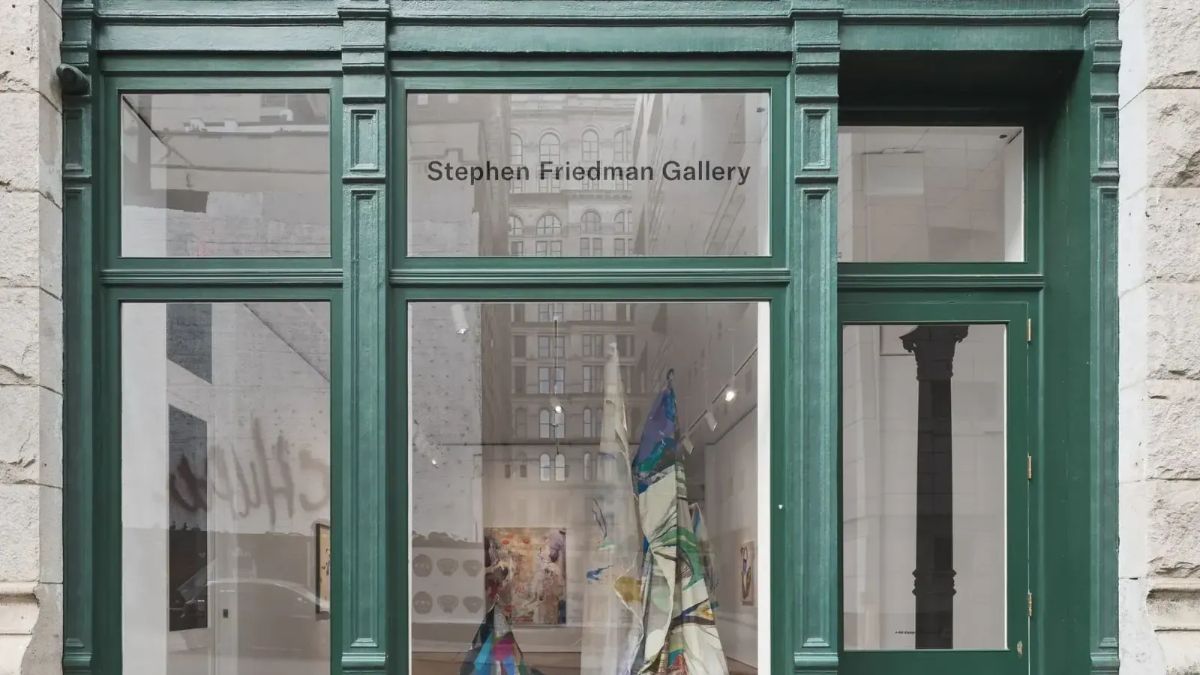
Administrators for Stephen Friedman Gallery worked to recover and release consigned artwork after the London gallery’s collapse, backing earlier concerns by artists that works could be trapped in storage as debts grew, according to recent documents filed with Britain’s Companies House.
The documents, first reported by The Art Newspaper, show Stephen Friedman Fine Art Ltd. owed about £7.8 million to creditors after entering administration in February, a U.K. bankruptcy process where court-appointed specialists take control of a company to manage its debts and assets.
But beyond the debt totals, the documents described a scramble to recover the gallery’s remaining stock and consigned works from storage, issues that artists previously raised to Urgent Matter as they tried to retrieve work.
Key factors in the gallery’s collapse were falling revenue, broader market stresses, and “rising geopolitical tensions in the Middle East.” Growing storage costs for unsold artwork became a major challenge, with the buildup of stored works complicating efforts to recover and release them.
“The most substantial challenge related to the hike in storage costs incurred for the storage equipment, artworks displayed at exhibitions, and unused and unwanted artwork. Gradually, these charges accumulated a considerable level of fees,” according to documents filed in late March.
The documents show those costs had to be addressed to enable artwork to be released. Administrators instructed lawyers to handle consignment agreements and settle outstanding storage costs with storage companies to enable recovery and release of the company’s stock.
Administrators moved to recover artwork held by the gallery, including consigned pieces, working with storage companies to release and return works to owners. Lambert Smith Hampton assisted with inventory and asset valuation, while London law firm Edwin Coe LLP helped resolve agreements and secure release.
The records back up Urgent Matter’s February reporting that artists were scrambling to retrieve works as the gallery’s finances worsened.
“It’s terrible. There’s work in storage all over London and New York and Hong Kong,” New York-based artist Pam Glick told Urgent Matter at the time. Glick said then that she was working with an international art shipping company to retrieve her work, adding the effort would be costly.
The documents did not specify whether all such agreements had been completed, how many works had been returned, or whether all consigned artwork had been recovered.
The gallery owed money to a wide range of creditors, including artists, lenders, landlords, tax authorities and shipping firms.
Three artists — Alexandre Diop, Deborah Roberts and Kehinde Wiley — were owed a combined £795,000. Diop was owed £341,905, Roberts £289,232 and Wiley £163,849.
Coutts & Company, the gallery’s bank, was owed about £3.1 million as the largest secured creditor. Pentland Group, a British consumer goods company, was owed about £1.4 million.
Other major creditors included the Pollen Estate, which leased the gallery’s Cork Street space and was owed about £505,000, and the U.K.’s tax authority HM Revenue & Customs, which was owed about £550,000.
Shipping and storage firms were also among those owed money, including Crozier, which was owed about £256,000, and Gander & White, which was owed about £86,000. Additional logistics and storage providers, such as TFA London and WPC Storage, were also listed as creditors.
Unsecured creditors, including artists and vendors, are expected to recover only a fraction of what they are owed.
Before entering administration, the gallery employed 27 staff in the U.K. and five in the United States. Employees owed back pay, including pension contributions and vacation pay, totaling about £39,000, are expected to be paid in full.
 Adam Schrader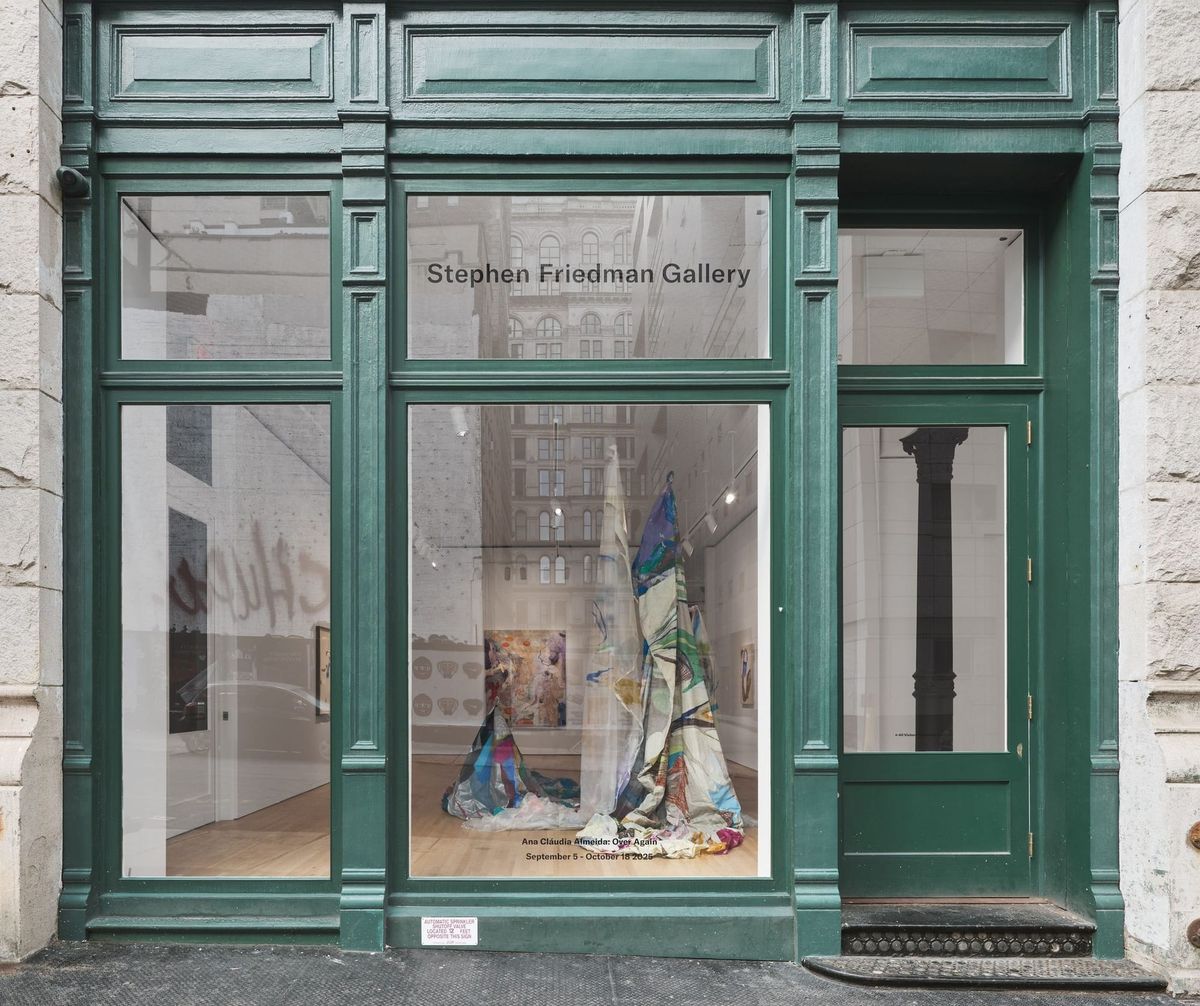
The filings also support Urgent Matter’s earlier reporting that the gallery was under visible financial strain before its collapse. The most recent annual report for 2023 showed a major loss after a prior-year profit and warned the business depended on continued bank financing.
The company reported turnover of £26.4 million in 2021 and £28.2 million in 2022. In 2023, turnover dropped to £22.9 million, while the company reported a loss of £1.9 million for the year—the same year it moved to its Cork Street address and opened its New York location. The gallery closed its New York space in 2025.
The documents indicated that there was not expected to be enough money to fully repay unsecured creditors. Those creditors include artists, vendors and other businesses.
Stories like this take time, documents and a commitment to public transparency. Please support independent arts journalism by subscribing to Urgent Matter and supporting our work directly.