Affordable Art Fair names Camp Z its newest fellowship gallery
Founder Alex Z. Wang runs the for-profit program as a discovery channel built to funnel emerging artists onto his gallery's roster.
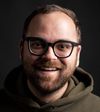
Founder Alex Z. Wang runs the for-profit program as a discovery channel built to funnel emerging artists onto his gallery's roster.
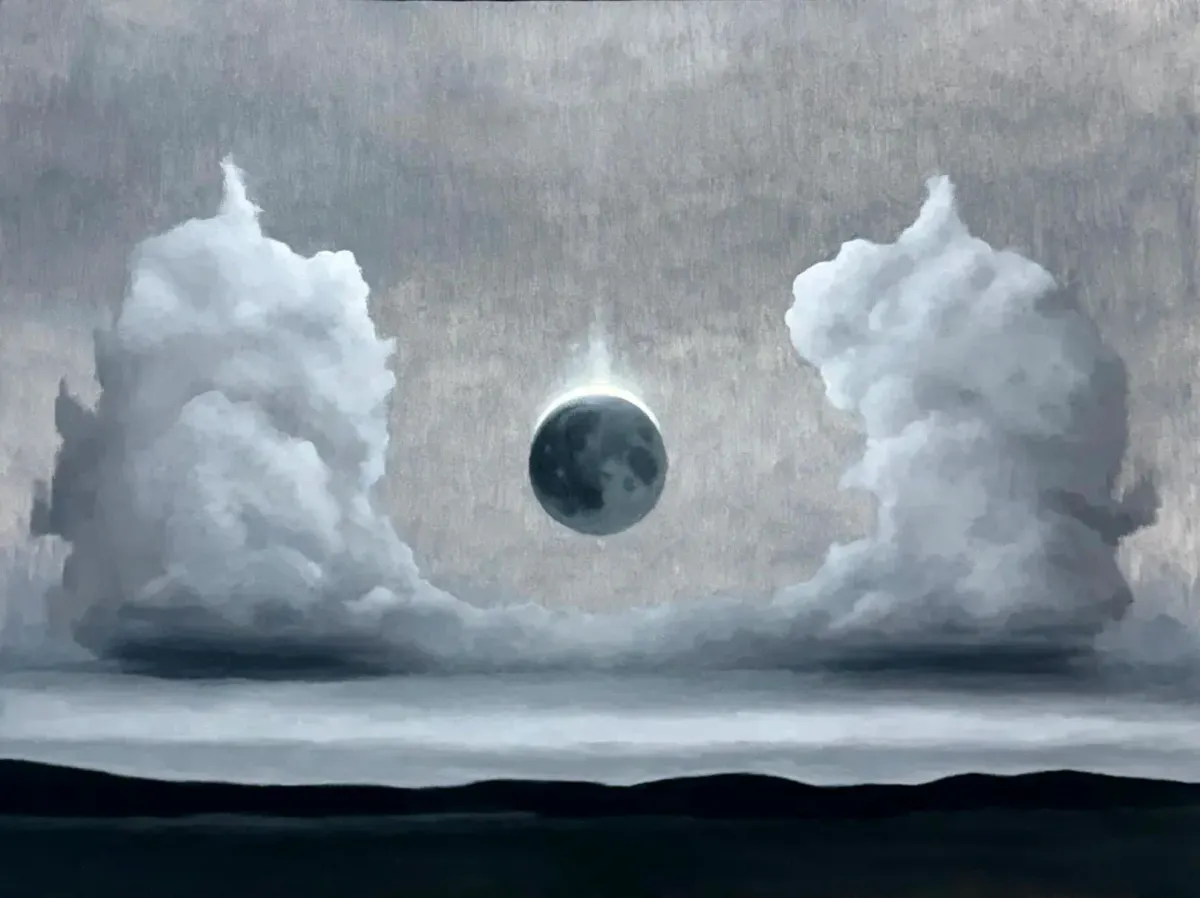
Camp Z, the commercial program of the Lower East Side gallery Collective Z, has been named Affordable Art Fair NYC's newest Fellowship Gallery. The award gives the months-old venture a subsidized booth at the next three fairs, starting this fall.
Camp Z will show work priced from $500 to $10,000 by two painters, Tanner Bosma and John Hayduk, when the fair's fall edition runs September 16 through 20 at the Starrett-Lehigh Building in Manhattan.
The program is the debut project of Alex Z. Wang, who opened Collective Z in late February and runs Camp Z under the same company, Collective Z LLC, as a for-profit platform.
Wang, a former principal at the strategy firm Kearney who spent more than a decade in fashion, luxury and beauty consulting before moving into art full time, said he built Camp Z to reach a market tier that established galleries tend to pass over.
"And, there's a disconnection between where young or new collectors want to collect, but didn't know how to actually access art or evaluate art," Wang said.
Camp Z runs on three channels, Wang said: booths at fairs, limited runs of prints and wearable pieces made from artists' work, and an online platform focused on artist profiles and collector education. The program will operate mostly online and travel to fairs, mainly with Affordable Art Fair, he said.
Wang said he treats the emerging tier as "more DTC than traditional art collecting," using the retail shorthand for direct-to-consumer sales, and looks for what he called modern "engines" that "push out an artist more efficiently and at scale."
He contrasted that with a conventional gallery that waits for buyers to come to it. The traditional model, he said, is "I put on a show, I wait for people to see, I lean in on my existing network and make sales that way."
The program keeps costs down by staying nomadic, Wang said. It has no gallery lease—which he estimated costs $20,000 to $30,000 a month—and no large staff. Instead, it relies on marketing software and, in his words, "leveraging A.I. for automation where we can." Its prints and wearables are produced only after a buyer orders, limiting upfront spending.
Wang described Camp Z as a discovery channel meant to feed Collective Z, which he runs on a more traditional model with roughly monthly shows—mostly solo presentations plus two or three group shows a year—aimed at more seasoned collectors.
Collective Z's five roster artists are more established and need a boost in reach, he said, while Camp Z is open to artists who have not yet been shown.
 Adam Schrader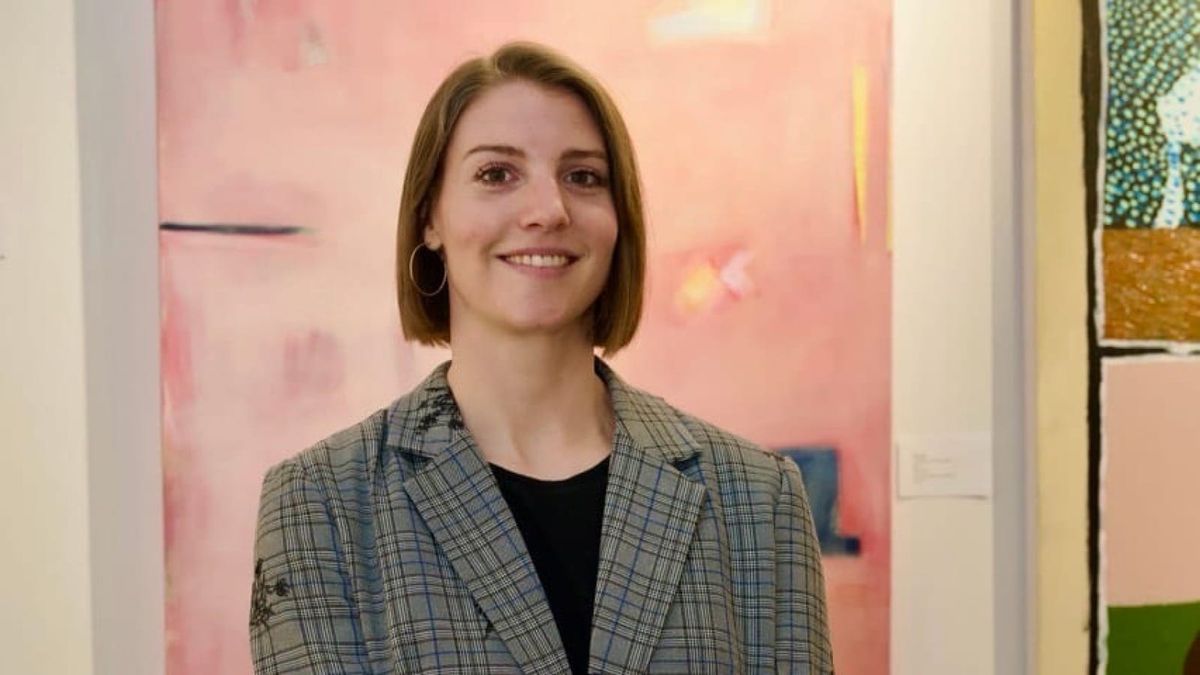
The goal, Wang said, is for artists the Camp Z program backs early to move up onto the Collective Z roster. He said he does not try to bind them to the gallery, and would count it as a win if a larger gallery signed one away.
"My goal is not to lock somebody down," he said. Artists will stay, he said, "if you treat the artists right and put their interest first and foremost, and really show your professionalism and commitment to them."
If a more established gallery signs one of the artists, Wang said, "that just shows the strength and the eye of the program."
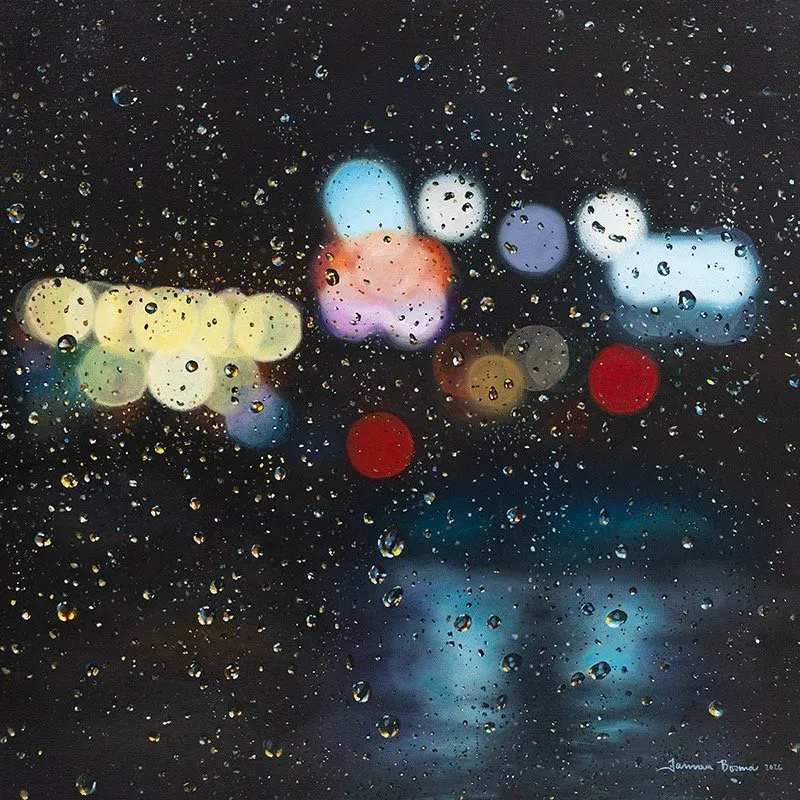
Wang chose Bosma, a Brooklyn painter who moved to New York from Michigan, after Bosma answered an open call for Collective Z's Pride Month group show, "The Ordinary," which featured 26 artists.
He said viewers responded strongly to Bosma's hyper-realistic, rain-streaked cityscapes. He described Bosma, who began working full time as an artist this year, as exactly the kind of artist Camp Z was created to support: "artists with really good work that is young, fresh, that needs a bigger platform."
Hayduk, a painter trained in classical realism, works in small-scale representational landscapes with what Wang called an "extremely moody" color palette. Wang said he saw the work in person in Santa Fe last year. Hayduk has since moved back to Connecticut and has worked at his craft for more than a decade, Wang said.
Wang said the fair prices reflect what the two artists already charge.
"I don't adjust or inflate their pricing just because I'm showing them," he said. Most of the work will fall between $1,000 and $5,000, with a few larger pieces near $8,000, he said, a range he tied to the impulse buying he has watched at the fair as a collector for more than a decade.
Erin Schuppert, the fair's director, said Camp Z's multi-channel approach is what set it apart from past fellows.
"That's a model that I haven't worked with yet in any of our previous fellows," she said. The fair caps prices at $12,000 and requires every work to be labeled with its price.
Schuppert said the two painters play off each other, with Bosma's work evoking loneliness inside a crowded city and Hayduk's a sense of calm in open, natural space.
In announcing the fellowship, Wang said in a statement that "Collective Z was built around the belief that great artists deserve both curatorial support and meaningful access to the market," and that Camp Z "extends that mission by creating a welcoming entry point for collectors while helping emerging artists build sustainable careers."
Urgent Matter is reader-supported. Please consider subscribing to support independent arts journalism.