Ousted Philadelphia Art Museum director Sasha Suda seeks jury trial
A new court filing challenges the museum’s bid to force arbitration, arguing the dispute belongs in open court under the terms of Suda’s contract.

A new court filing challenges the museum’s bid to force arbitration, arguing the dispute belongs in open court under the terms of Suda’s contract.

Sasha Suda, the former director of the Philadelphia Art Museum, has asked a Philadelphia judge to keep her case in court, where she seeks a jury trial. She argues that her employment contract explicitly allows court litigation, rather than private arbitration, when the museum violates its non-disparagement obligations.
Suda’s lawsuit, filed in early November after her firing, framed her departure as the culmination of internal clashes, including disputes over the museum’s recent rebrand. The rebrand was unveiled under her leadership, surprising board members and sparking internal disputes. She was in the third year of a five-year contract when she was dismissed.
In her complaint, she accused a faction of the board of orchestrating a “sham investigation” into routine compensation and expenses as a pretext to fire her and undermine her efforts to modernize the institution.
In response, the museum denied wrongdoing, accused Suda of misappropriating funds and defended the board’s allegedly unanimous vote to terminate her “for cause.” Shortly after her dismissal, the institution named Daniel Weiss, the former president of the Metropolitan Museum of Art, as her successor.
Now, in a 42-page filing submitted late Thursday in Philadelphia Court of Common Pleas, Suda urged the court to deny the museum’s effort to force the dispute into arbitration.
If the court agrees with Suda’s interpretation, the case would move forward in open court, potentially exposing internal board communications, governance practices and decision-making around her termination in a legal process known as discovery.
“The court should therefore deny the museum’s motion and retain jurisdiction over this case—as the parties’ agreement and Pennsylvania law require,” her lawyers wrote. The filing argues the museum's position ignores a key exception in the contract's arbitration clause, which covers claims for "injunctive relief provided by Section 6.4" of the agreement.
 Adam Schrader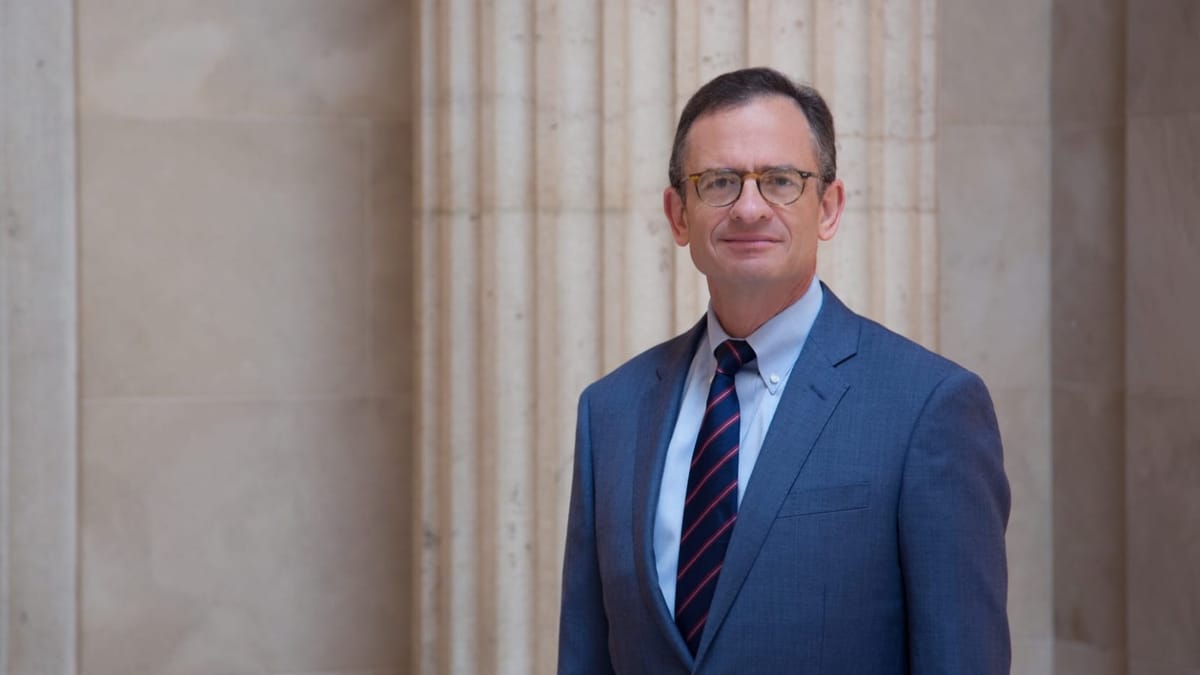
The opposition brief responds to the museum's petition to compel arbitration, a move Suda’s lawyers characterized as an attempt to “keep its wrongdoing out of public view.”
Suda said her contract allows the case to move forward in court if museum leaders violated a non-disparagement clause, which she argues occurred after she was fired.
Her original lawsuit explicitly demands “injunctive relief under Section 6.4 of the Agreement as a result of the Museum’s violation of Section 6.2 of the Agreement.”
The museum argues the fight should be handled in private arbitration, claiming Suda’s allegations still fall under her contract’s arbitration clause.
But Suda’s filing says the museum is trying to read limits into the contract that aren’t there, arguing she can only go to court for short-term emergency relief rather than to litigate the dispute itself. Her lawyers noted that Section 6.4 “does not use the word ‘preliminary’ at all” when describing when Suda may go to court rather than arbitration.
“The museum was represented by sophisticated counsel when it drafted the Employment Agreement. It knew how to draft this simple language. But it didn’t,” Suda’s lawyers argued. “It cannot now force the outcome it prefers based on language it chose not to include in its agreement with Suda.”
 Adam Schrader
The filing reiterates claims from Suda’s initial complaint but adds new detail and documentary evidence aimed at undermining the museum’s justification for her firing.
The filing alleges that senior board members privately acknowledged governance problems and praised Suda’s performance even as a small faction moved toward her removal.
Included are text messages from finance committee chair John Alchin encouraging Suda to “hang in there” amid board infighting and expressing no concerns about her compensation or financial oversight during committee discussions.
The brief also describes what it calls a “sham investigation” into Suda’s compensation, asserting that salary increases later cited as misconduct had been routed through human resources, reviewed by finance leadership and benchmarked by outside compensation consultant Quatt Associates before becoming the basis for her termination.
According to the filing, the consultant concluded Suda’s pay was only “somewhat above the 25th percentile of the market,” undercutting claims that her compensation was excessive or unauthorized.
It includes documentary evidence that directly supports Suda’s argument that pay increases were processed through human resources and finance, not secretly awarded by her.
A letter from the museum’s human resources department, dated August 27, 2025, explicitly thanks Suda for her work and confirms a salary increase from $757,604 to $771,582, effective September 1, 2025, with finance copied.
Suda’s lawyers expanded on alleged violations of the non-disparagement clause, citing statements made to the press and to third parties characterizing her termination as “for cause” and suggesting serious wrongdoing.
The filing included a March 17 email from Katherine Harper, the museum’s chief financial officer, which shows senior leadership discussing Suda’s compensation openly in budget planning, supporting Suda’s claim that finance leadership reviewed and raised no objections.
That email bolsters the idea that the museum's claims of misappropriated funds were not just disputed, but potentially misleading in light of internal approvals, which directly supports the non-disparagement claim.
The filing argues that such statements inflicted ongoing reputational harm that cannot be adequately remedied through monetary damages alone—which it says is another basis for keeping the case in court rather than arbitration.
Former board chair Leslie Anne Miller, a central figure in Suda’s allegations, is accused of repeatedly disparaging Suda to museum insiders and external contacts, conduct the filing says continued even after Miller’s term ended.
Stories like this take time, documents and a commitment to public transparency. Please support independent arts journalism by subscribing to Urgent Matter and supporting our work directly.