Pascal de Sarthe hits back at Yves Bouvier over missing artworks claim
Bouvier says 91 artworks vanished after he entrusted them to Hong Kong dealer Pascal de Sarthe.

Bouvier says 91 artworks vanished after he entrusted them to Hong Kong dealer Pascal de Sarthe.
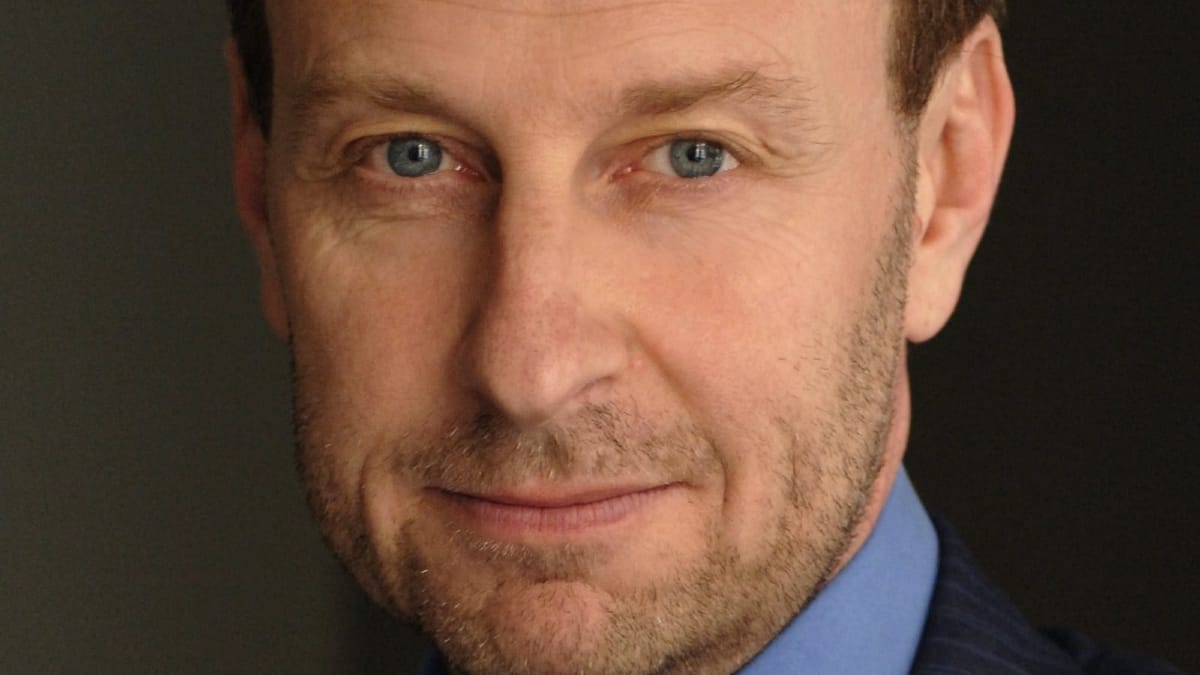
The dispute over a trove of 91 artworks that Swiss dealer Yves Bouvier claims mysteriously disappeared has intensified, with Hong Kong dealer Pascal de Sarthe telling a New York federal judge that Bouvier is not the rightful owner of the works.
As Urgent Matter first reported, Bouvier told a New York federal court that the artworks, together valued at roughly $100 million, went missing after he allegedly handed them to de Sarthe for safekeeping and potential sale amid his years-long feud with Russian billionaire Dmitry Rybolovlev.
Bouvier filed a lawsuit against de Sarthe with the Hong Kong High Court and has filed an application to the New York federal court for judicial assistance under a statute that allows foreign litigants to obtain evidence from U.S.-based companies for use abroad.
He has asked the court to compel more than a dozen major banks, along with Sotheby’s and Christie’s, to turn over records he says could reveal where the artworks went and whether any proceeds moved through New York’s financial system.
 Adam Schrader
His lawyers asked the court to waive notice to de Sarthe and the subpoena targets, warning that advance warning could allow assets or records to be moved or concealed.
“We respectfully request that the Court refrain from acting on the application until Mr. de Sarthe, who received notice of this application by chance through a third-party, not from Mr. Bouvier, has an opportunity to be heard,” lawyers for de Sarthe wrote in a letter to the court Monday, days after Urgent Matter reported on Bouvier’s filing.
De Sarthe’s attorneys urged the judge to delay ruling on Bouvier’s request for U.S. subpoenas until de Sarthe can formally intervene. They argue that Bouvier’s application is premature because ownership of the artworks is unresolved in the Hong Kong proceedings.
Bouvier said in his filing that he turned to de Sarthe to quietly preserve and grow the value of his collection when he was unable to publicly sell works during his legal war with Rybolovlev. He allegedly transferred the 91 artworks to de Sarthe between 2015 and 2017 under an informal, unwritten agreement.
Under that oral arrangement, de Sarthe and art-world intermediary Jean-Marc Peretti were to market and sell the works, reinvest the proceeds into new acquisitions, and split net profits 50–50 with Bouvier, who would ultimately reclaim both the original pieces and anything purchased with reinvested funds.
But when Bouvier’s disputes with Rybolovlev ended in 2023, his attempts to retrieve the collection were met with silence, he alleged. Peretti, responsible for overseeing the arrangement, allegedly dodged his calls and was later convicted of money laundering, extortion, and racketeering in France earlier this year. So Bouvier approached de Sarthe, only to face what he characterized as stonewalling.
De Sarthe’s lawyers dispute Bouvier’s allegations. According to his attorneys, the pieces did not belong to Bouvier at all but were consigned to him by Peretti. The Hong Kong court, they noted, is currently sorting out who actually owns the collection.
His lawyers argued that “until ownership is resolved” the statutory requirement that U.S. discovery be for use in a foreign proceeding is not met, making Bouvier’s request premature. Introducing American subpoenas now would risk disrupting the process underway in Hong Kong and could improperly sidestep the foreign court’s authority.
De Sarthe’s lawyers also blasted the extent of the banking records sought as “sweeping and invasive,” warning that the proposed subpoenas are “not limited to any transactions relating to the artworks at issue.”
Follow along with other lawsuits at Urgent Matter's art lawsuit tracker.
