ICE puts Florida antiquities seizure at 22,000, names no suspects
Homeland Security first publicized the case in June at 12,000 objects and has not disclosed a value or a location.

Homeland Security first publicized the case in June at 12,000 objects and has not disclosed a value or a location.
Homeland Security Investigations said it has seized more than 22,000 antiquities in an ongoing Florida smuggling investigation, up from the more than 12,000 first publicized in June.
HSI, in a news release last month, called the seizure “among the largest in HSI’s history.” The agency has not named a suspect or a smuggling network, provided the monetary value of the objects or said where in Florida agents took them.
Preliminary evaluations indicate some objects date between 1,000 and 5,000 years ago and may have come from sites across Europe, Africa, the Levant and the Eastern Mediterranean, HSI said in its latest release. In June, investigators said only that the items had been smuggled from the Eastern Mediterranean.
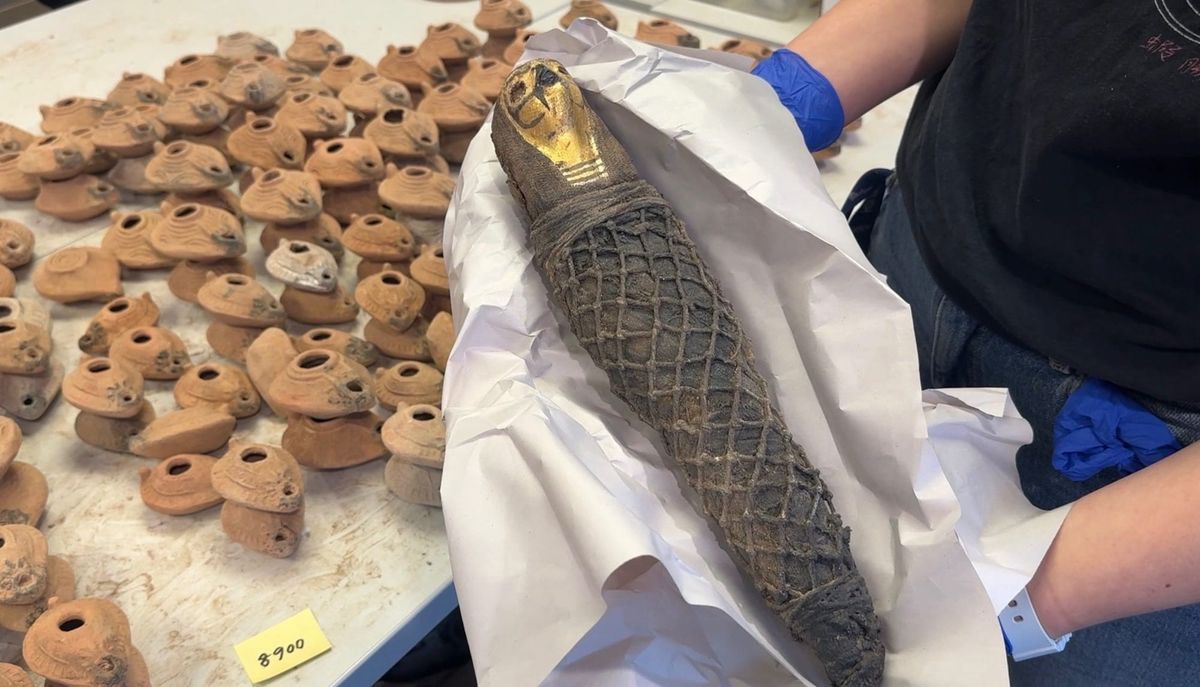
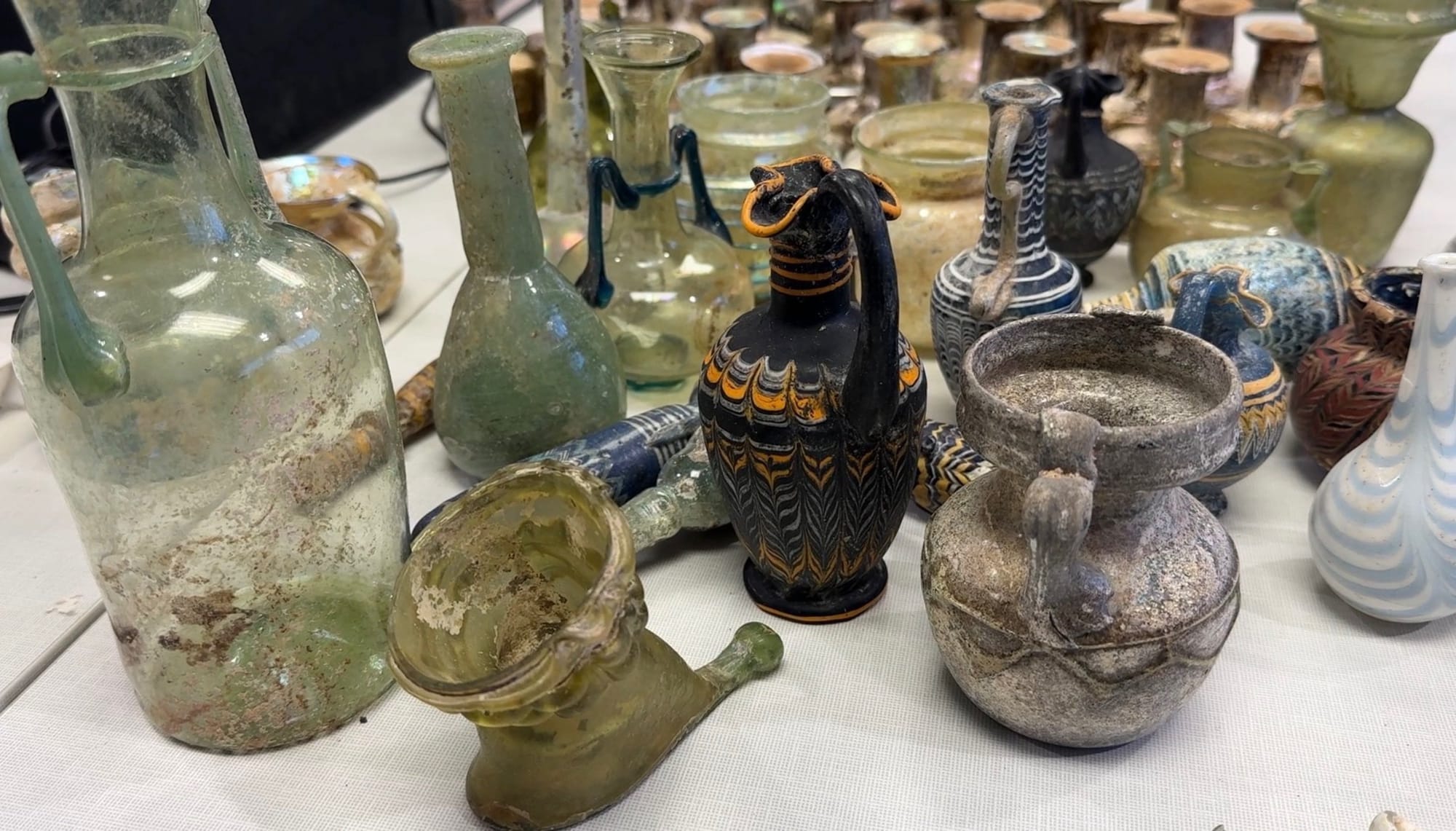
The items under review include coins, terracotta pots and vases, statues, weapons, jewelry, trinkets and mosaic picture frames.
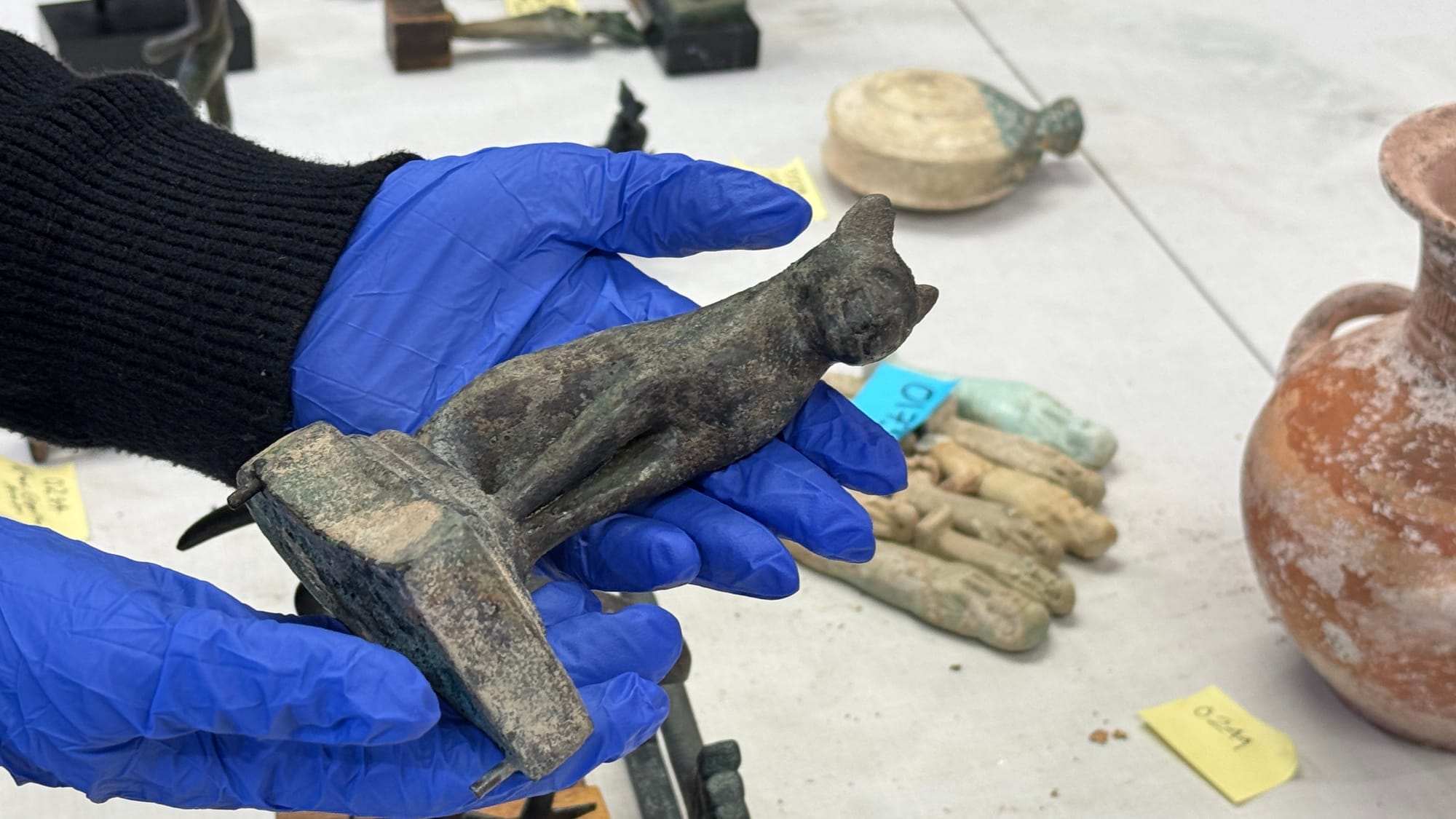
Photographs the agency released show the cataloging underway, with items including a silver coin, rows of ancient glass containers, a small animal sculpture mounted on a rectangular base and a wrapped animal mummy with its linen bound in a diamond lattice beneath a gilded head.
The Department of Homeland Security highlighted the seizure on September 3 in a post on X that opened, “These belong in a museum!”
The post, which had about 73,800 views by press time, said the objects came from “Europe, Africa, the Holy Land, and the Eastern Mediterranean,” using “Holy Land” instead of “the Levant” as in the ICE release.
“Preserving cultural heritage is not only a matter of law enforcement, but also a commitment to history and humanity,” Micah McCombs, HSI Tampa’s acting special agent in charge, said in a statement.
“The trafficking of cultural property not only robs civilizations of their heritage, but also channels money into transnational criminal organizations, results in international financial crimes and, in some cases, even funds terrorist activities.”
The agency offered no evidence tying the Florida objects to terrorism. In June, when the count was 12,000, HSI officials said it was unclear whether the seized items had ties to terrorism, Spectrum Bay News 9 reported.
The claim that antiquities trafficking finances terrorism has been contested. A 2022 Treasury Department study of the art market and terrorist financing concluded it was not an immediate priority for enforcement, the Center for Art Law wrote, and a 2022 analysis in the journal Antiquity called the widely repeated ranking of the trade as the world’s third-largest illicit market an unsupported “factoid.”
Other researchers and the United Nations have argued a link exists in specific conflict zones. A 2015 U.S. raid on an Islamic State finance official uncovered records of the group’s antiquities operations, and the Security Council’s Resolution 2347 in 2017 said the group profited from trafficking cultural property.
HSI said it worked with the University of South Florida and the University of Pennsylvania to authenticate and conserve the objects, and hosted more than a dozen experts during a week of processing.
“The identification and authentication process for so many pieces will take some time to complete,” said Mary Cook, a senior adviser in HSI’s Cultural Property, Art and Antiquities Program. “The artifacts in this case that are determined to be genuine will be one of a kind, and HSI wants to take every step necessary to ensure a civilization’s history is preserved for generations to come.”
HSI said any objects found to be stolen or illegally exported could be repatriated. The agency’s Cultural Property, Art and Antiquities Program targets networks that traffic looted or stolen artifacts, it said.
Follow along with other art crime stories at Urgent Matter’s art crime tracker.