Detroit artist sues city, alleging destruction of 33 murals
The building was torn down after the city determined the structure was dangerous and ordered an emergency demolition.

The building was torn down after the city determined the structure was dangerous and ordered an emergency demolition.
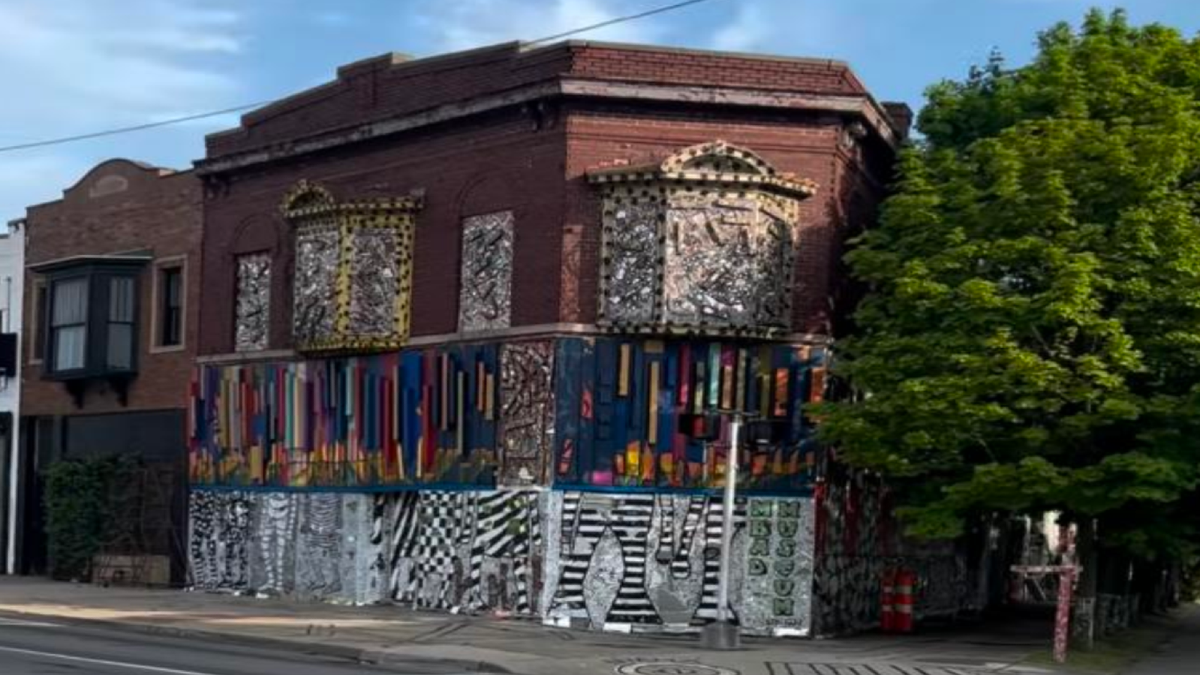
A Detroit artist has filed a federal lawsuit seeking a jury trial and nearly $5 million in damages, alleging the city unlawfully destroyed dozens of his murals during the demolition of part of his museum complex in 2024.
James Lewis, also known as Olayami Dabls, claimed Detroit and multiple officials “destroyed 33 pieces of Dabls’s famous public artwork without his consent” when crews tore down a corner building at his MBAD African Bead Museum.
The building was torn down after the city determined the structure was dangerous and ordered an emergency demolition following a partial collapse, according to the lawsuit and the Detroit Free Press, which first reported the news.
The lawsuit, filed April 10 in U.S. District Court in the Eastern District of Michigan, alleges the city moved forward with the demolition despite a pending court order and without giving the artist enough time to preserve the works.
“For 15 years, Dabls’s murals adorned the walls on one of the buildings of the MBAD African Bead Museum,” his lawyers wrote in the complaint, describing the works as “a point of pride for Detroit” that appeared in tourism materials and drew visitors from around the world.
Paid subscribers can read the full complaint.
 Adam Schrader
Dabls is seeking at least $4.95 million in damages, along with other relief, arguing the destruction caused significant financial loss and harm to his reputation.
The dispute centers on a building at the corner of Grand River Avenue and Vinewood Street, part of a block Dabls owned and had been developing into a museum since 1996. It began when the city issued two blight tickets and an emergency correction order on May 31, 2024, followed by inspections that June.
The lawsuit claims that in June 2024, Rochelle Riley, then director of the city’s Arts, Culture and Entrepreneurship office, told Dabls she would help fund repairs and “verbally committed $25,000” toward the effort.
But later that month, Riley allegedly withdrew that support and told the artist he would need to secure nearly $500,000 within days or face demolition.
Riley disputed that account in comments to the Detroit Free Press.
“$25,000? My office didn't have $25 to give to an artist,” Riley said. “And I will not believe that Dabls is even aware that I'm named in this lawsuit without hearing it from him. The ACE Office had nothing to do with building demolitions. I heard about it on the news.”
The complaint outlines a rapid series of events following the city's June 27, 2024, demolition order for the building, which the artist appealed.
As that appeal was being processed, demolition preparations began. Fencing was installed around the property, and supporters gathered to protest the planned teardown.
Dabls’s appeal was denied on July 10, 2024, when a hearing officer said the building should be demolished because he “could not confirm that he had money to effectuate the rehabilitation of the structure.”
The artist then sought a temporary restraining order in state court on July 16, 2024, to stop the demolition, which was granted as the crews arrived—but the city proceeded with the tear-down anyway and allegedly failed to provide the required 90-day notice period under the Visual Artists Rights Act.
“Without providing Dabls with a reasonable opportunity to protect and preserve his artwork, Defendants destroyed, mutilated, modified, and defaced each and every one of the 33 works of art,” his lawyers wrote in the complaint.
An attorney for Dabls told the Detroit Free Press the damage cannot be undone.
“Unfortunately, the damage has been done, the murals have been completely destroyed,” attorney Andrew Gerber said. “Since the damage is done, the only direction is to seek compensation for my client.”
Dabls, who was recently selected by the University of Michigan to be their Artist in Residence for fall 2026, previously had his works exhibited at the Hotel de Talleyrand as part of the Detroit Salon presentation during 2025 Paris Art Basel Week.
He was also previously commissioned by the city of Detroit to complete at least eight murals and was paid at least $15,000 for each. In 2022, he was also named an “Eminent Artist” by the Kresge Foundation, for which he received a $50,000 fellowship, among other accolades.
Follow along with other lawsuits at Urgent Matter's art lawsuit tracker.