Trump orders U.S. to withdraw from international cultural bodies
The decision affects organizations tied to cultural funding, heritage preservation and artist safety.

The decision affects organizations tied to cultural funding, heritage preservation and artist safety.
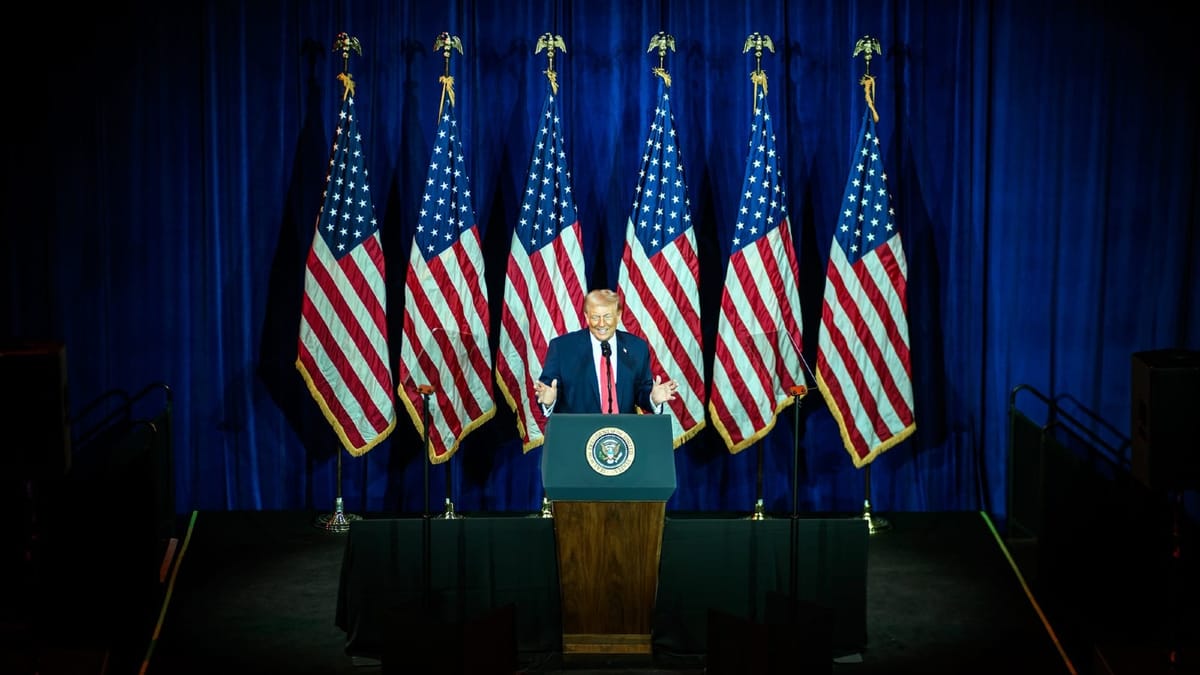
President Donald Trump on Wednesday directed the heads of executive departments and agencies to withdraw the United States from dozens of treaties and organizations, including international cultural bodies.
The White House said in a fact sheet that Trump had ordered the withdrawal and funding stop for 31 entities of the United Nations and 35 other organizations, stating that they operate “contrary to U.S. national interest” after a 180-day review.
“President Trump is ending U.S. participation in international organizations that undermine America’s independence and waste taxpayer dollars on ineffective or hostile agendas,” the White House said.
“American taxpayers have spent billions on these organizations with little return, while they often criticize U.S. policies, advance agendas contrary to our values, or waste taxpayer dollars by purporting to address important issues but not achieving any real results.”
In Trump’s memorandum, also published by the White House, he listed at least seven organizations and entities that have direct relevance to artist freedom, cultural rights and artist protection.
 Adam Schrader
Three of those named were the United Nations Democracy Fund, U.N. Women and the U.N. Alliance of Civilizations.
UNDEF is a voluntary U.N. trust fund that supports civil-society projects aimed at strengthening democratic participation. It has funded programs involving independent media, community arts initiatives and cultural organizations in developing and transitional countries.
UN Women, focused on gender equality and female empowerment, has included programs affecting women artists, cultural workers and heritage professionals, particularly in conflict and post-conflict settings.
And the U.N. Alliance of Civilizations runs education, youth and media initiatives to promote intercultural dialogue and counter polarization. The United States has participated in UNAOC primarily through diplomatic engagement rather than large, assessed contributions.
Among the other entities named was the International Federation of Arts Councils and Culture Agencies, a network of national arts funding agencies and culture ministries that coordinates research and policy discussions on public arts funding.
 Adam Schrader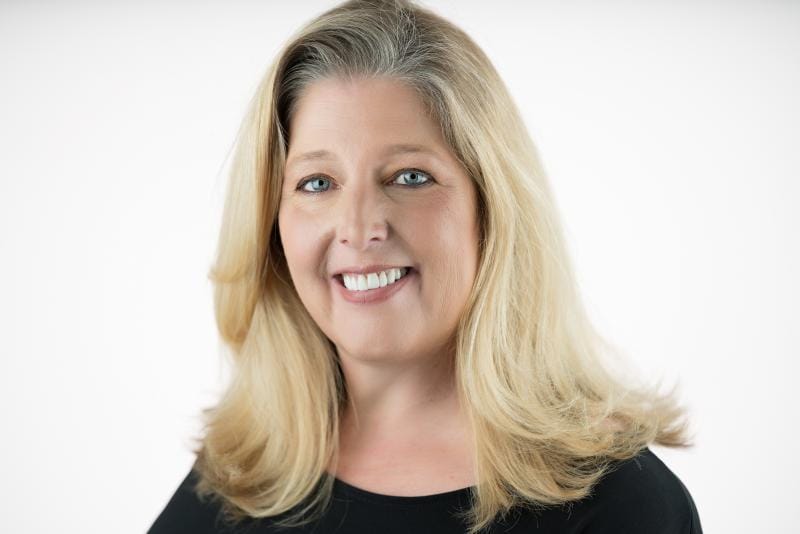
Trump’s memorandum also cited the International Centre for the Study of the Preservation and Restoration of Cultural Property, an intergovernmental organization that provides training and technical assistance for the preservation of cultural heritage, including museums, archives, archaeological sites and monuments.
The United States has historically been a member state and contributor, particularly in areas related to post-conflict recovery and disaster response.
Another group named was the Freedom Online Coalition, a partnership of governments that coordinates diplomatic positions on internet freedom, online censorship and digital rights.
While not a cultural body in the traditional sense, its work has intersected with protections for artists, journalists and cultural workers operating online, particularly in countries with restricted speech.
The list also included the International Development Law Organization, an intergovernmental body working on legal and rule-of-law reforms in developing and post-conflict states, including frameworks affecting cultural property and heritage governance.
The White House did not provide a breakdown of how much funding would be affected for each organization or clarify whether the directive applies uniformly to assessed membership dues, voluntary contributions or participation by U.S. agencies.
Artists at Risk Connection, an offshoot of PEN America which defends artistic freedom globally, expressed “deep concern” over the decision by Trump administration. ARC said in a news release that the decision includes IFACCA, a key partner of the organization.
“Together, these institutions form part of the critical international infrastructure that enables artists and cultural workers to create freely and safely, particularly in contexts of repression, conflict and forced displacement,” ARC said in its news release.
Julie Trébault, executive director of ARC, said that U.S. disengagement from such institutions “weakens the global protective frameworks on which artists and cultural workers depend.”
“For artists in immediate danger, those in exile, women artists, and others facing censorship, surveillance, or violence, the erosion of multilateral safeguards has tangible and immediate consequences,” she said. “The vacuum this withdrawal creates also opens space for authoritarian actors to further repress artists and cultural workers globally.”
The move follows earlier Trump-era withdrawals from UNESCO, the U.N. Human Rights Council, the World Health Organization and the Paris Climate Agreement, what ARC described as “an alarming pattern” of increasing U.S. isolationism.
Stories like this take time, documents and a commitment to public transparency. Please support independent arts journalism by subscribing to Urgent Matter and supporting our work directly.