There is no statute of limitations for police murder
Federal officers have now committed murder at least twice in Minnesota.

Federal officers have now committed murder at least twice in Minnesota.
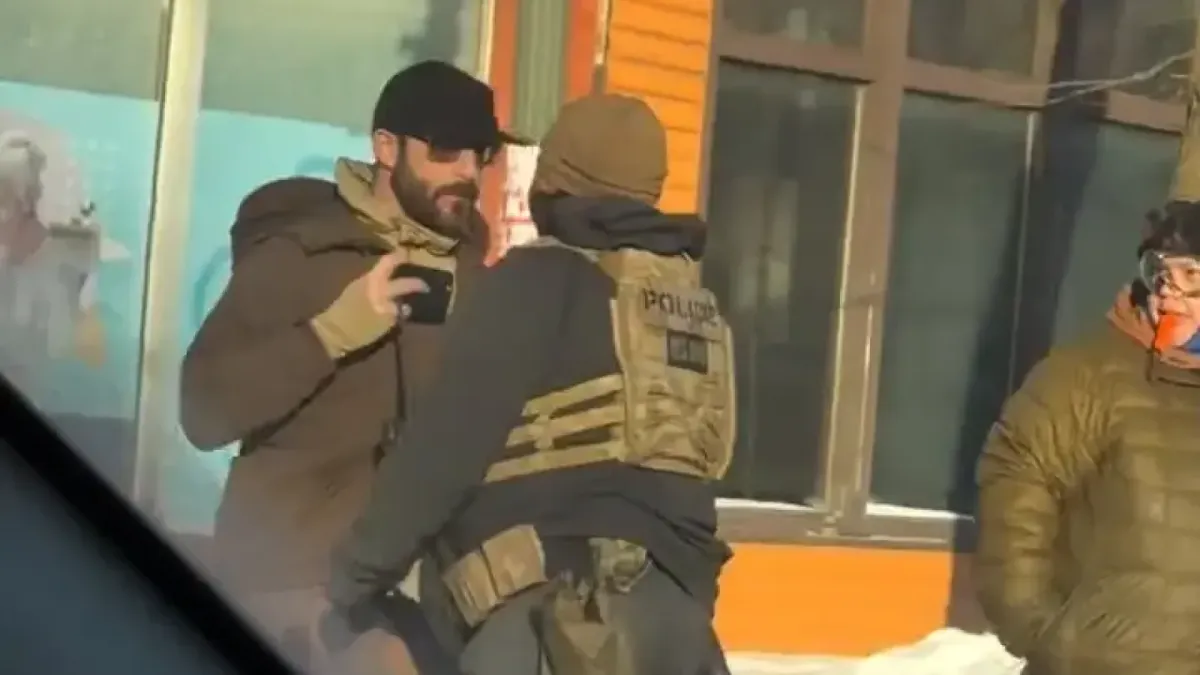
Alex Pretti, 37, was shot dead by U.S. Customs and Border Patrol officers on Saturday — a killing that meets the legal definition of murder under existing law.
When law enforcement kills someone, the question is not whether officers felt scared, annoyed, disrespected, or inconvenienced. The question is whether the killing was lawful.
That question isn’t just abstract. Minneapolis art museums and cultural organizations even joined a citywide general strike in protest of U.S. Immigration and Customs Enforcement operations after the killing of Renee Good earlier this month, closing institutions like the Walker Art Center and the Minneapolis Institute of Art on Friday in solidarity with demonstrators denouncing federal enforcement tactics and calling for accountability.
Good, a 37-year-old mother, was driving her SUV when ICE agent Jonathan Ross fired multiple shots into the vehicle. The Hennepin County Medical Examiner later ruled her death a homicide. Federal officials said Ross acted in self-defense and claimed Good used the vehicle as a weapon — an account disputed by video and witnesses.
Qualified immunity, the shield people reach for first, does not apply to whether federal authorities have committed murder, at least twice now, in Minnesota. Qualified immunity is a civil rule that protects officers from personal financial responsibility in lawsuits. It does not affect criminal law. There is no exception in American law that exempts police officers or federal agents from homicide laws.
 Adam Schrader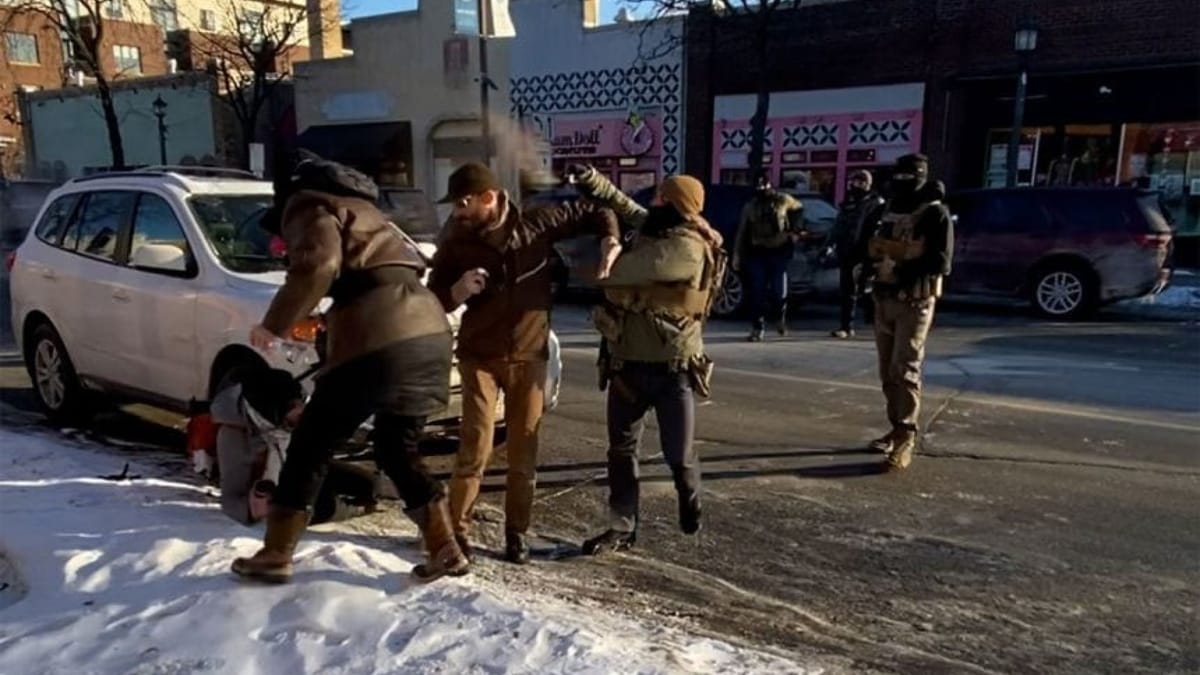
If a killing meets the legal definition of murder or manslaughter, officers can be charged. Whether prosecutors decide to act is a matter of policy and politics, not law. There is no statute of limitations for murder under state law in most jurisdictions and under federal law for capital and life-eligible offenses. The men who killed Renee Good and Alex Pretti can be charged at any time in the future.
Now, about Pretti’s gun. Being armed is not a crime. Being legally armed is not a provocation or consent to be killed. The legal standard for lethal force is not “he had a gun.” The standard is whether there was an immediate, articulable threat to the lives of officers or others at the exact moment shots were fired.
Courts have been explicit about this for decades. A holstered weapon, absent brandishing or imminent use, does not meet that standard. Brandishing means drawing, pointing or otherwise displaying a weapon in a threatening manner.
The law on use-of-force is clear. If video and witness testimony show that a person never brandished a weapon, never aimed it, never attempted to use deadly force, and was already restrained or subdued, then lethal force is not a close call. It is unlawful.
This is why the Trump administration quickly claimed the weapon had been “brandished.” Under use-of-force law, brandishing is the only way that simply having a weapon could be seen as an immediate threat. However, video and witness testimony do not support this claim.
In a criminal prosecution, the state must prove beyond a reasonable doubt that the killing was not legally justified—and reasonableness is central to how courts evaluate that claim.
Yelling at law enforcement is not violence. Protesting is not violence. Preventing law enforcement from acting comfortably is not violence. Driving a car is not violence. Legally carrying a weapon at a protest is not violence. None of these acts make it reasonable to kill someone.
 Adam Schrader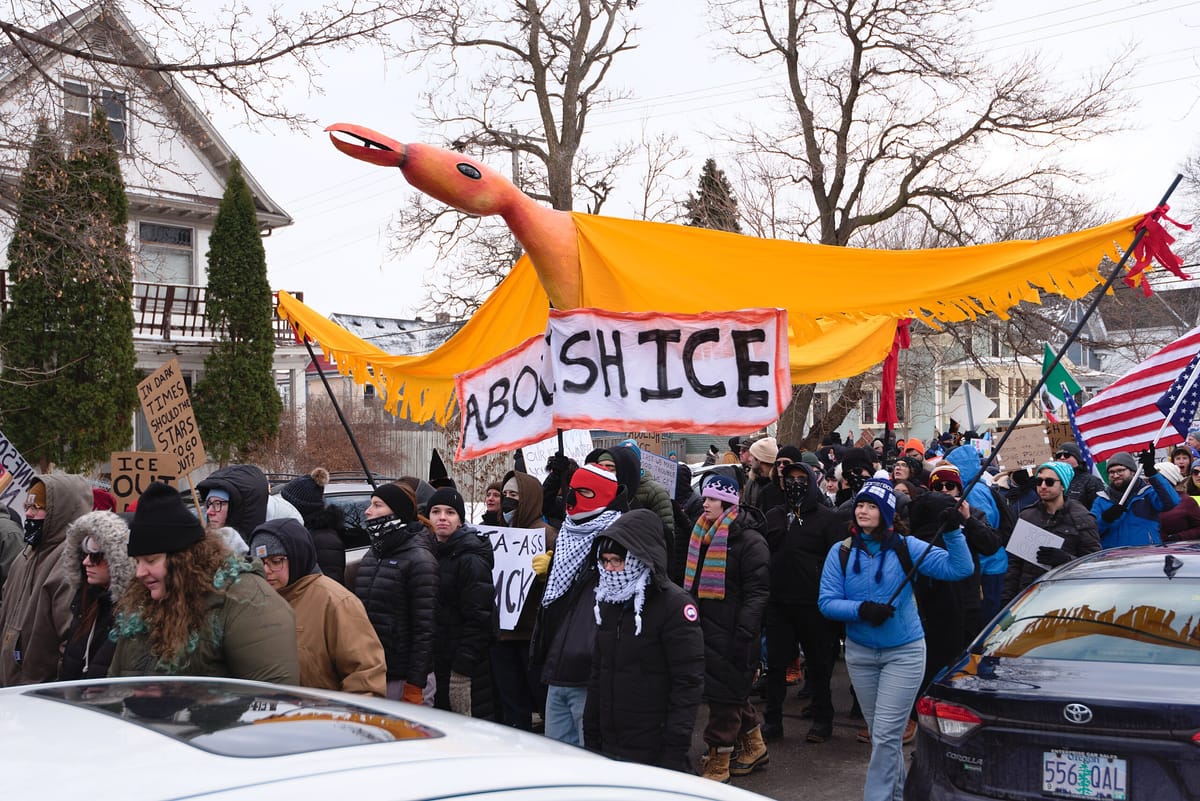
If you claim to support the Second Amendment right to bear arms and the First Amendment right to protest, but deny the right to exercise those rights simultaneously, then you do not meaningfully support either.
The Constitution protects speech that is disruptive, confrontational, and critical of government power. Police have special authority because they are expected to handle verbal abuse without using lethal force. Feeling insulted does not justify killing someone.
Derek Chauvin was not convicted because of politics or protest slogans. He was convicted because he murdered George Floyd. Video and witness testimony showed that the legal standard for justified force was not met. This same legal standard applies whenever law enforcement kills someone, no matter their badge, agency, jurisdiction, or who is president.
Presidential pardons apply only to federal crimes. State-level murder charges cannot be pardoned by the president. Under the doctrine of dual sovereignty, state prosecutions remain available regardless of federal clemency — meaning there is no time limit for prosecuting these killings.
Debates about weapon possession do not change the facts. Video and witness testimony show the weapon was never brandished and there was no immediate threat to the officers who fired.
Editor’s note: Urgent Matter primarily covers art and cultural institutions. We are publishing this legal analysis because recent actions by Minneapolis museums and statements from well-known artists place questions of law and accountability squarely within the cultural sector’s public response.