The Luminaire expands business built on behind-the-scenes cultural access
A partnership with Mandarin Oriental is helping The Luminaire expand its cultural access model.

A partnership with Mandarin Oriental is helping The Luminaire expand its cultural access model.
Most travelers experience museums and cultural sites through standard, ticketed visits during public hours. Luxury travel firm The Luminaire has built its business around providing cultural access that goes beyond that.
The company works directly with museums, artists and government cultural bodies abroad to arrange behind-the-scenes access, one-on-one time with experts and specialized programming not available to the public, as museums face mounting financial pressure.
Some of those experiences require additional insurance coverage and strict limits on what details can be disclosed, because of the value and condition of the artworks involved.
The Luminaire announced last week that it has extended a partnership with Mandarin Oriental, an international hotel group known for its high-end properties. The extension allows The Luminaire to deliver its cultural journeys through Mandarin Oriental’s hotel portfolio, pairing its programming with stays at the group’s properties.
Adam Sebba, founder and chief executive of The Luminaire, told Urgent Matter there has been a “complete macro shift” in the luxury travel market in recent years.
“I think it's more than just a story about us; I think it's a trend in the market,” he said. “Everyone in the world is thinking about memories and real-life experiences more than they are about possessions.”
Sebba attributed the shift in part to pandemic-era lockdowns and what he described as a broader backlash against screen-based life.
He also said there’s been a shift in the demographics of people booking experiences with The Luminaire, driven by the global wealth transfer from the Silent Generation and Baby Boomers to their children.
“Previously, we saw a lot of 60- to 80-year-olds booking multi-generational trips where they were paying for their kids and grandkids to come,” Sebba said. “Now I'm starting to see the 40 to 50-year-old generation being the bookers of those multi-gen trips, paying and taking their parents.”
Sebba said such travelers are increasingly focused on having experiences with their families while they can.
The Mandarin Oriental expansion comes at a moment when global economic conditions remain uneven, with high interest rates, inflation fatigue and slowing growth weighing on consumer spending in many markets. Sebba said demand for The Luminaire’s offerings has remained strong.
“Luxury is the most resilient sector of all consumer sectors, and luxury travel is the most resilient sector of luxury,” Sebba said.
He said travelers may cut back in other areas — dining out, luxury goods or flight upgrades — but are reluctant to eliminate annual travel altogether. Instead, Sebba said, clients may shorten trips, choose fewer destinations or adjust accommodations while continuing to prioritize travel as a core annual expense.
“Telling the whole family, ‘We're not going to go abroad this summer, we're not going to have a holiday,’ that's a really big step, and I think that is why it's the last thing that people want to cut,” Sebba said.
Against that backdrop, Sebba said The Luminaire has continued to grow, reporting year-over-year increases of 50% to 60% over the past two years and describing January as the company’s strongest month to date.
Sebba said that growth has been bolstered by another trend his firm has seen in recent years, in which people are combining their business trips with leisure experiences.
“All the time, we're now getting our leisure customers saying, ‘Right, I'm going on this business trip to Dubai, but I can't not go to the desert while I'm there,’” he said.
Business travel used to be in-and-out, he said, but now people are tacking on a day or two to see the sights. Sebba himself said he’s speaking at a conference in the United Arab Emirates next week and has already booked a ticket to see the Louvre Abu Dhabi.
While the interview focused on The Luminaire’s cultural programming, Sebba said the company’s offerings extend beyond arts and culture. The company also builds experiences around the natural world, conservation, and other themes.
“We always set out to see what unique experiences we can build, and how we can create these different experiences, but it's also about bringing good and benefit,” Sebba said.
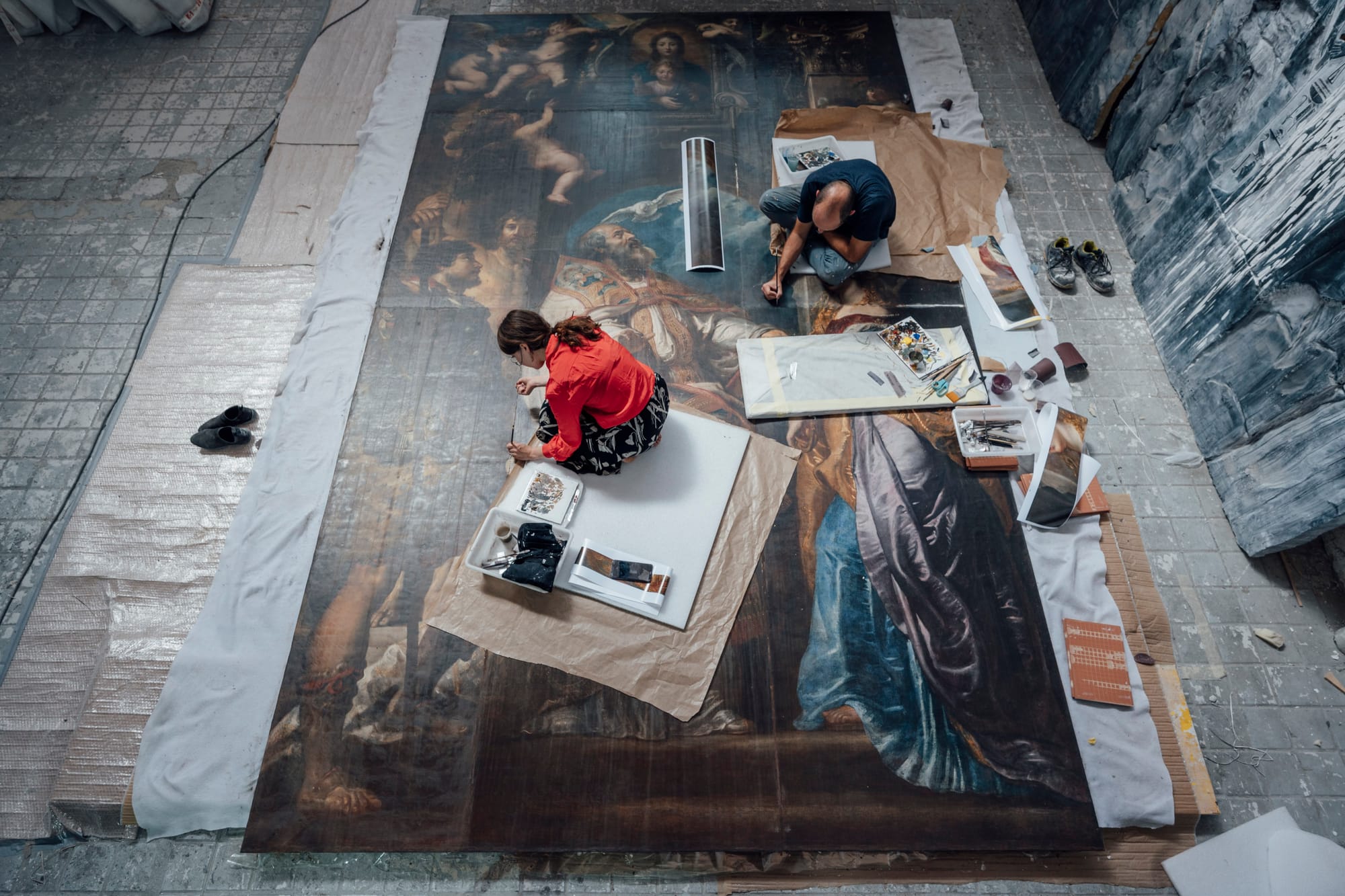
In Venice, The Luminaire works with Laboratoria della Misericordia, a restoration laboratory, to design a guest experience inside a functioning conservation space. The artworks involved are so valuable that even participants are not told in advance what they will see. To offer the experience, The Luminaire had to take out a special insurance policy to cover it in case of any damage.
“It's all about bringing a benefit to that organization,” Sebba said. “The money from customers paying for the immersive experiences adds to their ability to do their work.”
When journeys take place at museums or heritage sites, institutions are formal partners and access is negotiated directly.
“There isn't any negative feedback that we've had from institutions. They've all been absolutely, resoundingly positive,” Sebba said.
“We've created new income streams for them. We've built ways for them to create storytelling, marketing, and content around what they're doing. We've brought new communities to them, travelers that will stay in touch and potentially become lifelong advocates, supporters and donors.”
The same approach governs the company’s relationships with artists and cultural figures. Rather than treating artists as talent booked for appearances, The Luminaire engages them as collaborators in product design, advisers on content, and guides throughout the journey itself.
“The relationship can be structured in many ways, including chiefly from a consulting fee, to a royalty fee on the number of trips sold,” Sebba told Urgent Matter. “Sometimes our guests make charitable donations to the institutions that the artists are connected to, and sometimes that donation is included in the cost of the experience.”
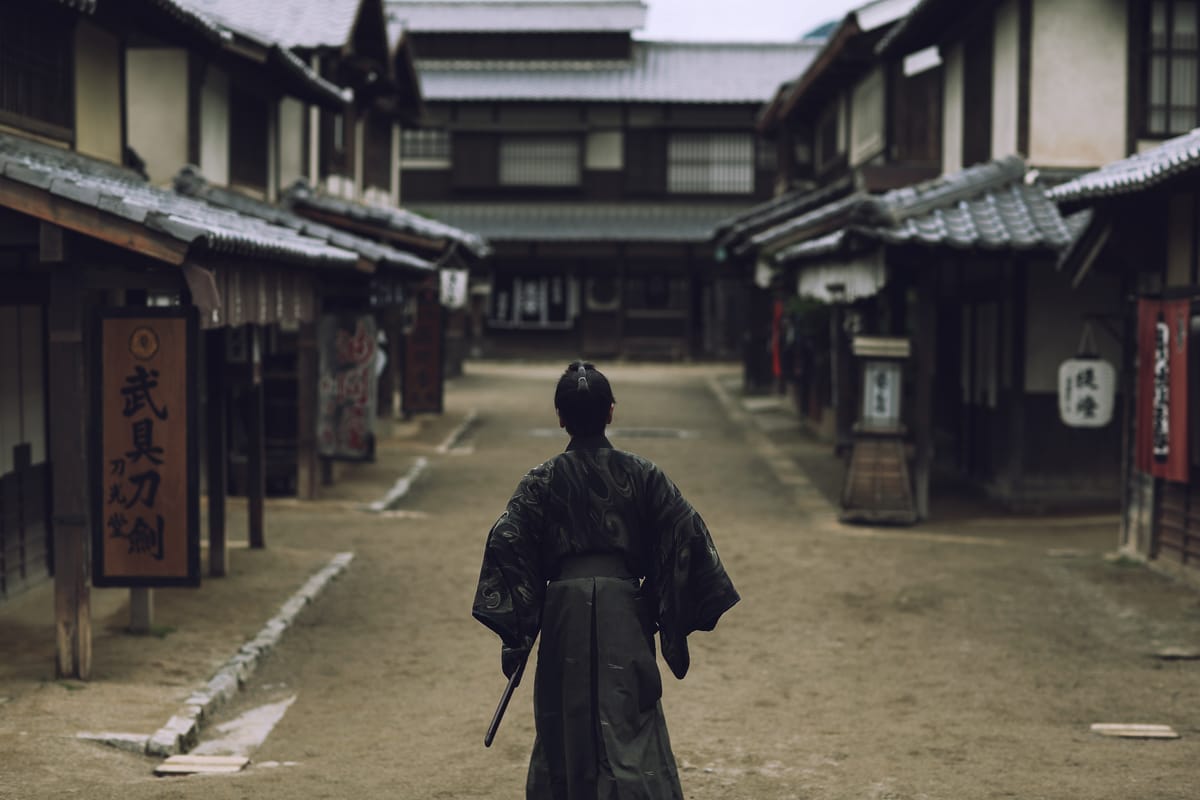
In Japan, the company has coordinated with the Japanese tourism board and other cultural agencies to develop itineraries that follow strict ritual protocols.
One such journey involves Yamabushi monks, ascetic mountain practitioners whose traditions emphasize endurance, silence and strict ritual discipline. During parts of the experience, Sebba said, the only spoken words allowed are “I accept.”
Beyond Japan, Sebba said the company coordinates with government-linked cultural agencies to develop itineraries that would otherwise be inaccessible to private travelers.
At the Prado Museum in Madrid, guests receive private access outside normal visiting conditions. During the Venice Biennale, The Luminaire helps guests navigate what Sebba described as a famously opaque ecosystem.
“It’s one of the most well-known art festivals in the world,” he said, “but also one of the most secretive in terms of how to find your way around. We open that up to outsiders.”
While the company operates across disciplines, Sebba said the core principle remains consistent: access must produce mutual benefit. In Wyoming, The Luminaire has built journeys with scientists working at live paleontology sites. Travelers arrive as tourists but leave, Sebba said, with a deeper understanding of extinction, climate change and geological time.
“They come in as curious tourists, but they leave as advocates,” he said.
Asked which past journeys best reflect the company’s approach, Sebba pointed to its Japan Samurai journey and an “incredible” Norwegian lighthouse trip he took with his family.
While The Luminaire has additional projects in development, Sebba declined to provide details, saying new launches would be announced later this year.
“Curious exploration is a trend that we’re not going to see go away anytime soon,” he said. “I'm excited for us to be there to serve that growing demographic of customers that want to explore the world.”
Stories like this take time, documents and a commitment to public transparency. Please support independent arts journalism by subscribing to Urgent Matter and supporting our work directly.