SVA’s ‘Mentors’ show pairs students with top photo professionals
Mentors are drawn from across museums, galleries, and news organizations—reflecting the program's broad reach.
Mentors are drawn from across museums, galleries, and news organizations—reflecting the program's broad reach.
The School of Visual Arts in New York is presenting its annual “Mentors” exhibition, showcasing work developed through a long-running program that pairs undergraduate photography and video students with leading figures in the field.
“It was amazing having a mentor from a museum institution like MoMA because it made me feel confident that I could have my work exist in higher institutional spaces,” said Kobe Ligon, who was paired with Museum of Modern Art collection specialist Kunbi Oni.
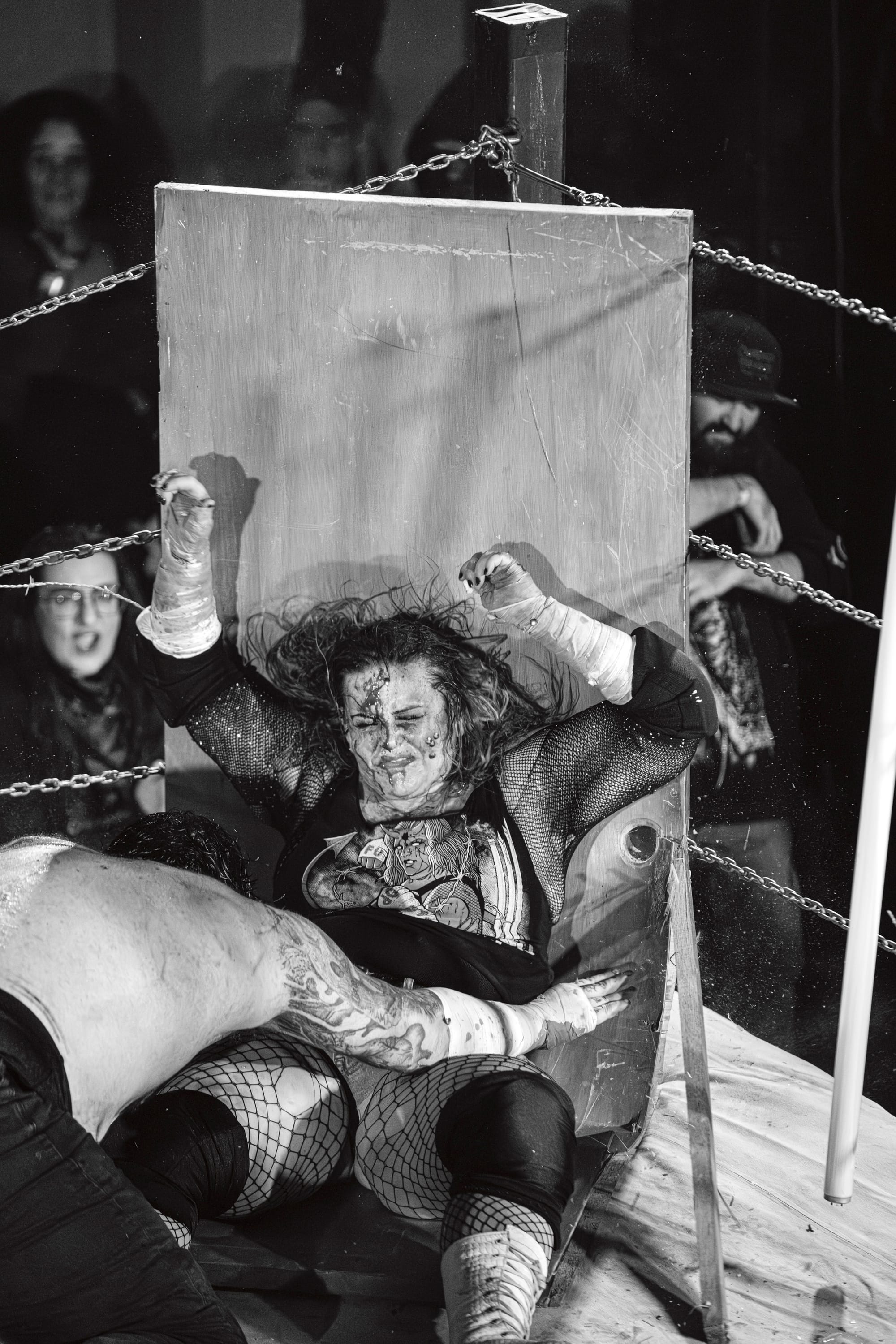
For the show, Ligon photographed a deathmatch wrestling event—an extreme subgenre of professional wrestling where weapons like chains and barbed wire are central and participants often leave visibly injured.
“The first thing I responded to was the sense of the environment and the community in which the photographs were made,” Oni said.
“It was important that the elements shaping that narrative—the fighters, the space where the fights took place, and the audience—were all equally represented so that viewers could get a full picture. This is what I encouraged Kobe to work on.”
Oni said the pair met twice and called the conversations “very professional,” praising Ligon for being “well prepared with questions and highly curious about ways to improve.”
“Kobe, my mentee, had already done the core work, so our time together focused on editing and shaping a strong presentation,” she said. “My contribution was to bring fresh eyes to the group of images and help narrow the focus in order to arrive at a successful final selection.”
The mentorship program was launched in 1992 and aims to help students build lasting relationships with leaders in the art community. The list of mentors for the 2026 edition included industry heavyweights.
From editorial backgrounds, mentors included Alessia Glaviano, the head of Global PhotoVogue at Condé Nast; Rolling Stone deputy photo editor Sacha Lecca; Aperture editor-in-chief Michael Famighetti; and The New York Times photo editor Eve Lyons.
The list also featured curators, collection specialists and other senior leaders from museums including the Solomon R. Guggenheim Museum, the Foam Photography Museum Amsterdam, the Metropolitan Museum of Art and the Museum of the City of New York, among others.
And many artists and photographers like Laura McPhee, Sze Tsung Nicolás Leong and Milagros de la Torre also participated as mentors.
The mentorship model remains a core part of SVA’s pipeline into the art world, even as the school recently moved to shutter its master’s program in curatorial practice after more than a decade and moved its MFA Art Practice program fully online.
“I was most surprised by the professional creative process. Getting a first-hand experience of a higher professional level was nerve-wracking,” said Amber Timinski, who was paired with The New Yorker executive producer Paul Moakley. “There’s a lot more nuance that goes into every little detail and step than I realized. Everything is at a higher volume.”
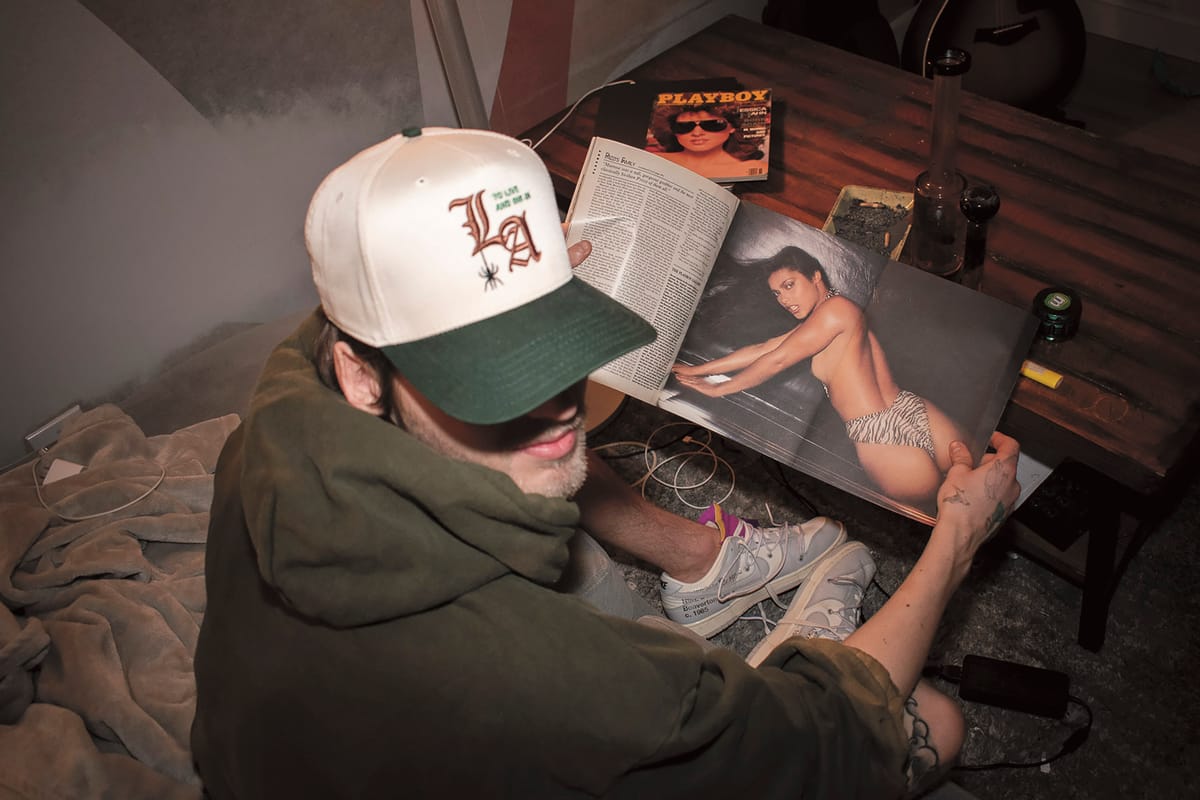
In one work included in the show, Timinski photographed a young man paging through a Playboy magazine while another sits next to a bong and a marijuana grinder on a coffee table.
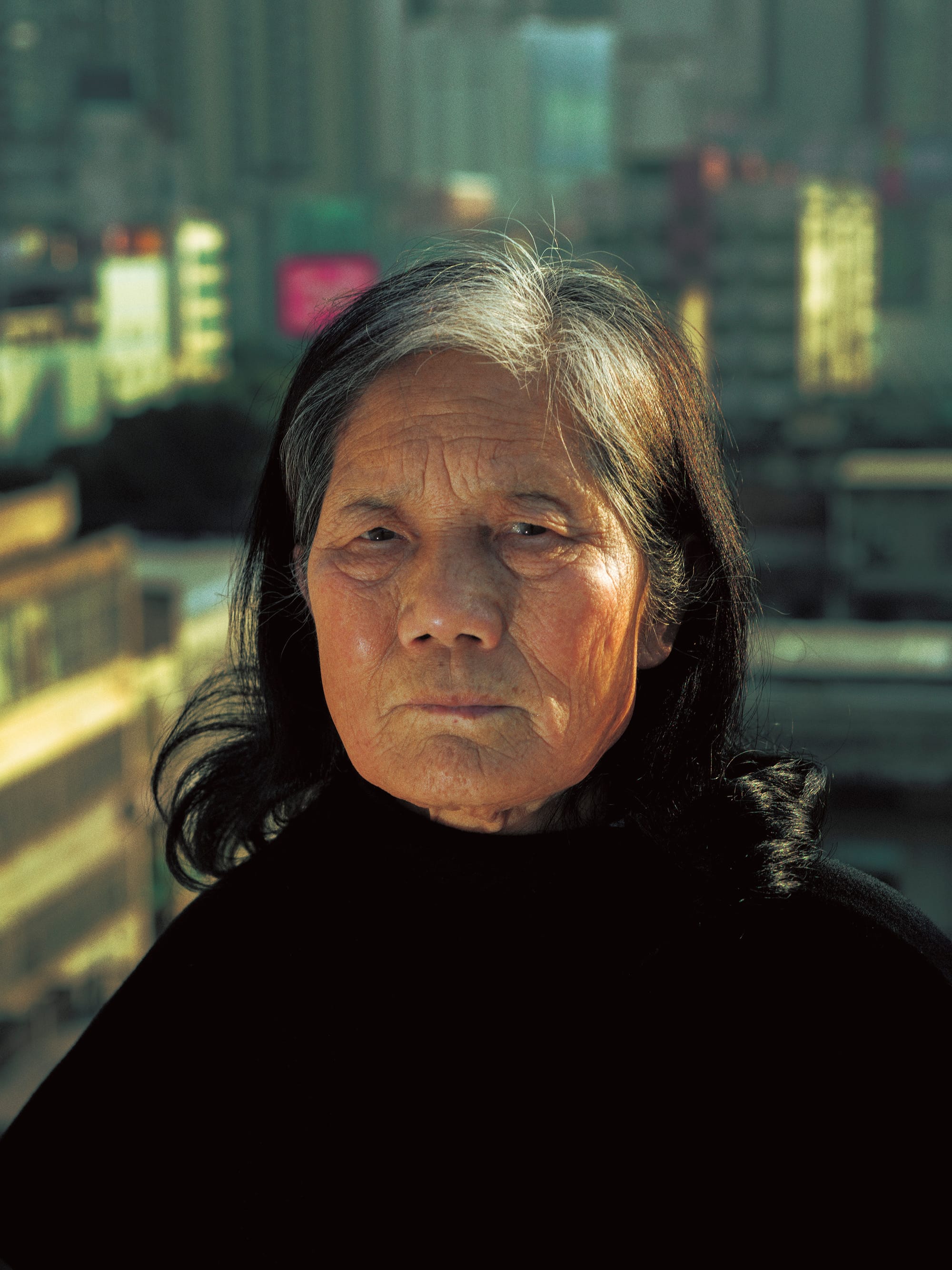
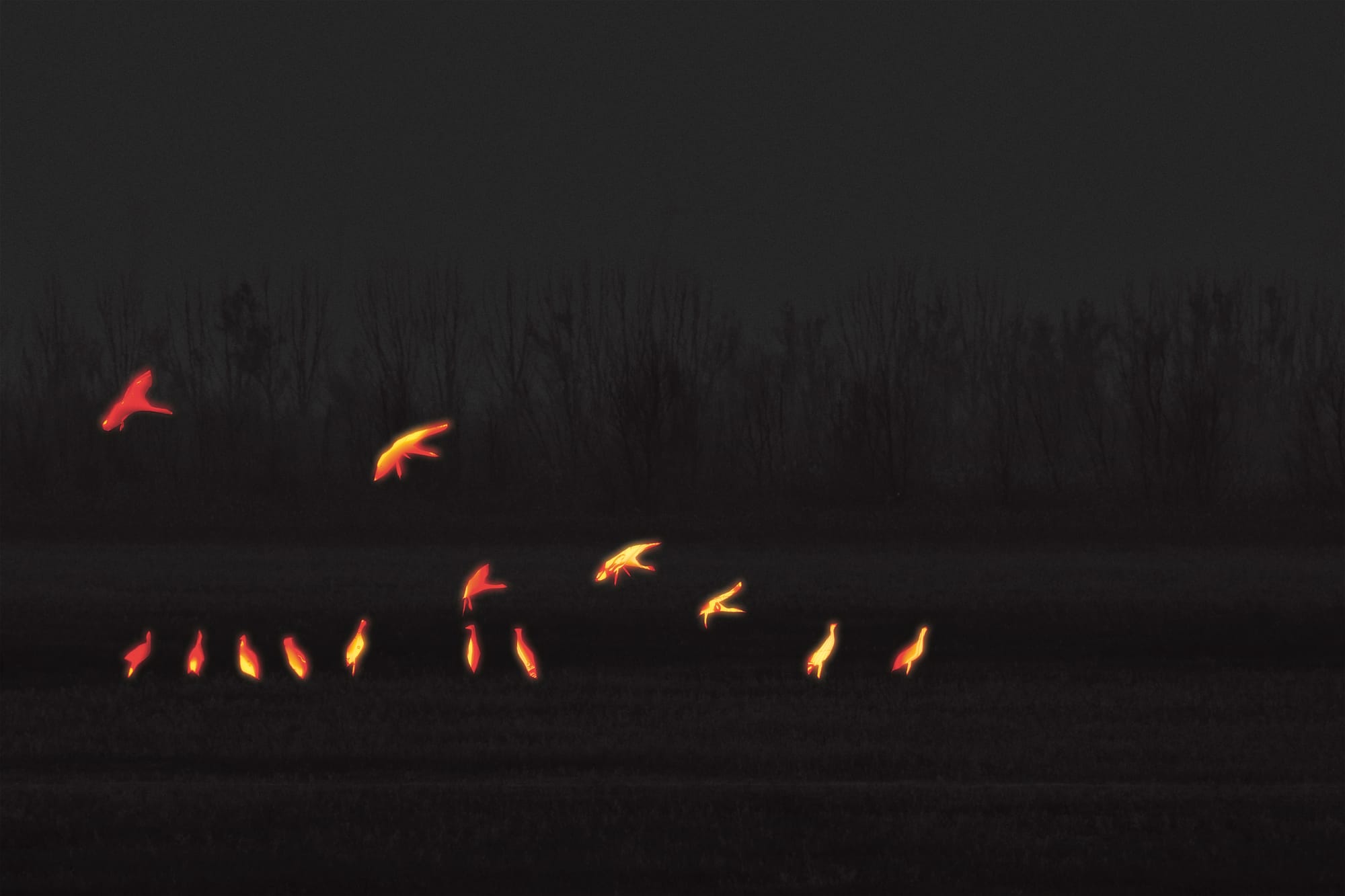
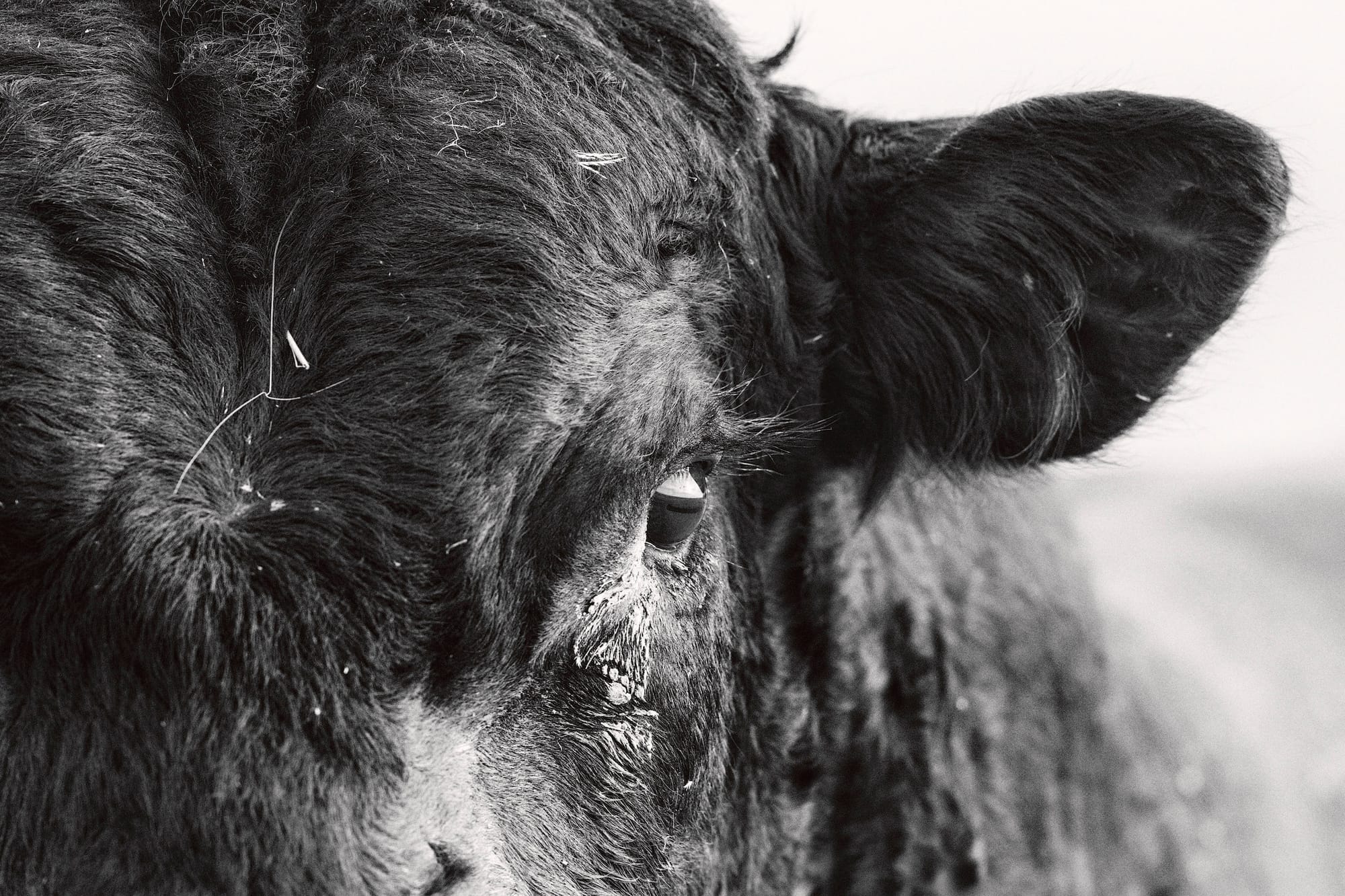
The work in the show is as varied as the experiences of the mentors who participated in the program, from black-and-white architectural shots and journalistic portraits to abstract photography, light painting and composed or composite images.
The advice given by different mentors can also vary. While Ligon said her first idea was to just use three large photographs in the show, Oni told her that just three photos “would not convey to the audience that this is deathmatch wrestling” and that she needed to have more photos.
Timinski, however, said the most challenging feedback she received was that she didn’t have to use the entire space she was given.
“This feedback really shifted my mindset,” she said. “I was so quick in wanting to fill the entire space, but after choosing my best and most resolved work, I felt confident in not doing so.”
Timinski said that she had recently decided that she wanted to pursue being an editorial photographer, making her pairing with Moakley “perfect.”
“The mentor's experience reassured my decision in my career,” Timinski said. “Being a professional artist comes with risks. I learned that if you're not afraid of navigating the hustle of the art world, there should be nothing that would stop you from succeeding in it.”
The show is curated by department chair Joseph Maida and is on view through March 21 at the SVA Chelsea Gallery.