Retired curator talks curating an exhibition about his own curating
The McNay Art Museum revisits 20 years of acquisitions under René Paul Barilleaux.

The McNay Art Museum revisits 20 years of acquisitions under René Paul Barilleaux.
A new exhibition at a Texas museum offers a window into how curators shape the long-term direction of a collection through decisions that accumulate over time.
At the McNay Art Museum, “untitled: 20 Years of Collecting Contemporary Art” revisits two decades of acquisitions made under curator René Paul Barilleaux, who retired in 2025 after overseeing the addition of more than 200 works.
Barilleaux himself curated the show, which opened March 27 and runs through September 6. It brings together over 100 works spanning painting, sculpture, photography, video and installation. An audio guide featuring Barilleaux’s own voice offers commentary on the selected works.
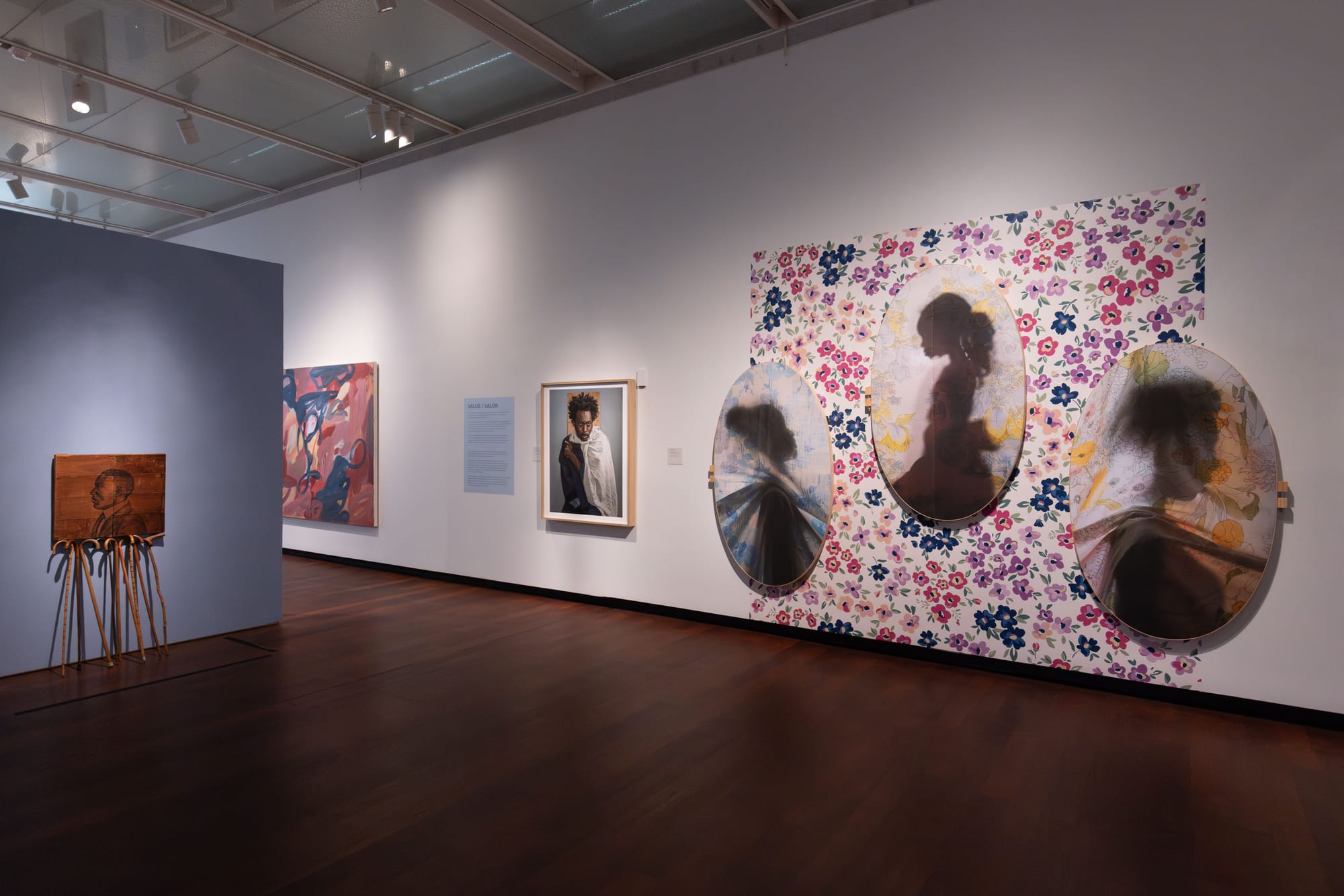
The curator has organized the works around the seven elements of art—line, shape, color, form, texture, value and space—along with the design principle of pattern, rather than chronologically or thematically.
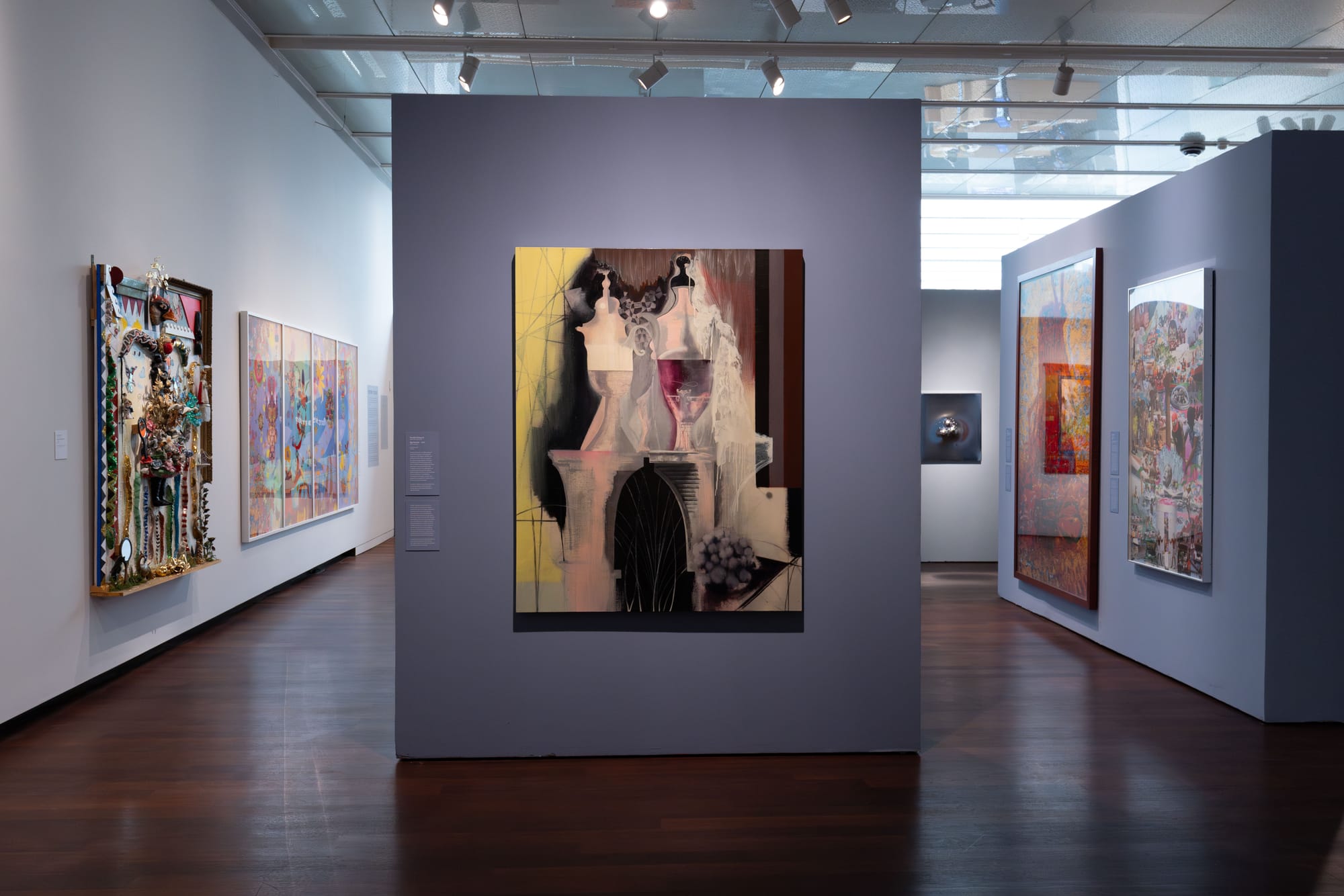
“I kept thinking about what is common to all these works, regardless of maker, material or subject. True, no individual work embodies all eight elements and principles, but all embody most in some form,” Barilleaux told Urgent Matter.
“Also, going ‘old school’ was a way of keeping the audience engaged through something they know while at the same time allowing for new conversations between works of art.”
There is a slight circularity to the premise—a curator curating an exhibition drawn from his own years of curating—but the question it raises is a practical one: how to structure more than 100 unrelated artworks in a way that holds together while avoiding overdone or obvious models.
Barilleaux said the exhibition’s checklist was formed using several different criteria — including conceptual, subjective and practical considerations.
“To begin with, some works were not available because of light sensitivity. Other works had been shown often or not shown in some time. Some are significant in terms of their creator; others are significant in what they add to the collection overall. And some are purely favorites of mine,” he said.
“Because the exhibition is meant to reflect my curatorial approach, I thought it was important to use a range of criteria to texture the final checklist.”
Revisiting the acquisitions in aggregate surfaced patterns that were less visible when the works were encountered individually, including a strong presence of women artists, a mix of internationally recognized and local figures, and close relationships between the museum and particular artists.
“I know that if you were to look at another curator’s 20 years of acquisitions for another museum, you would see a very different picture of these past two decades,” he said.
The exhibition’s title, “untitled,” was suggested to Barilleaux by some of his former curatorial colleagues when the museum began organizing the show and reflects both a common convention in contemporary art and a framing device for how the works are presented.
“As you point out, ‘untitled’ is common in contemporary art, so there is that sense of familiarity to the audience, signaling that the exhibition will focus on contemporary works,” he said. “There is also a bit of an inside joke too, since devotees of contemporary art will accept a lack of title while traditionalists look to an artwork’s title for meaning or insight.”
The exhibition opens with a 2002 geometric abstract painting by Susie Rosmarin, Barilleaux’s first acquisition for the McNay in 2005. Barilleaux attended Pratt Institute with Rosmarin, the museum noted in a news release.
Opposite it is his last acquisition, a gunshot artwork titled Other Voices 3 by fellow Louisiana native Margaret Evangeline. It is one of two works in the McNay’s collection by Evangeline.
Also included is Letitia Huckaby’s Koinonia, which uses photographs and wallpaper to reference the 1963 16th Street Baptist Church bombing in Birmingham, Alabama, that killed four children.
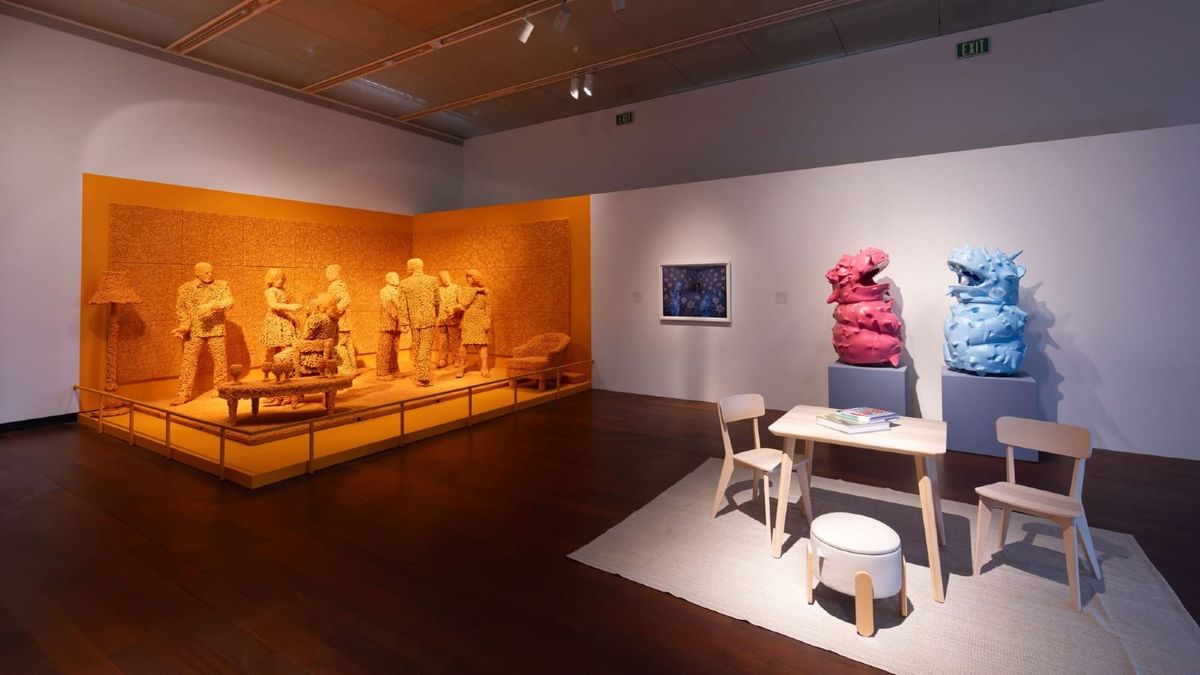
The museum noted that “fan favorites” from its collection are also included in the exhibition, such as bright pink and blue sculptures of hippos Henri and Henrietta made by artist Ian Dawson from repurposed plastic trash bins and Sandy Skoglund’s 1992 cheese doodle installation The Cocktail Party.
Skoglund’s work had just been exhibited in a major show of the artist’s work which closed in February. In that exhibit, the trailblazing staged environment photographer debuted a never-before-exhibited work, Fresh Hybrid, an installation version of her 2008 photograph of the same name. Barilleaux had organized that show, too, with the artist.
“Collecting installation, experimental and media-based works requires a strong institutional commitment to maintaining their physical, technical and technological aspects. It requires commitment beyond an individual curator,” Barilleaux said.
“In this exhibition, The Cocktail Party illustrates the McNay’s commitment to artists and in particular working with living artists, plus the institution’s acquisition of major works by women artists, and finally the McNay’s embrace of risk taking — how many, or rather, how few, artworks are created using food that is meant to have a very long shelf life!”
The exhibition also reflects broader shifts in the museum’s collecting priorities over the past two decades, as its contemporary holdings expanded beyond a primarily American focus.
“Marion Koogler McNay’s founding collection is particularly strong in European Modernism, so an international perspective is part of our DNA,” said Matthew McLendon, director and CEO of the McNay Art Museum.
“Over our history as a museum, our collecting has evolved in response to any number of factors like new scholarship, a desire for greater balance and the need to reflect the community we serve. That has meant expanding to include a broader range of voices and perspectives, particularly those connected to our region.”
As that scope expanded, the museum has continued to position its collecting in relation to its local context in San Antonio, which McLendon said has a “particularly rich visual arts culture.”
 Adam Schrader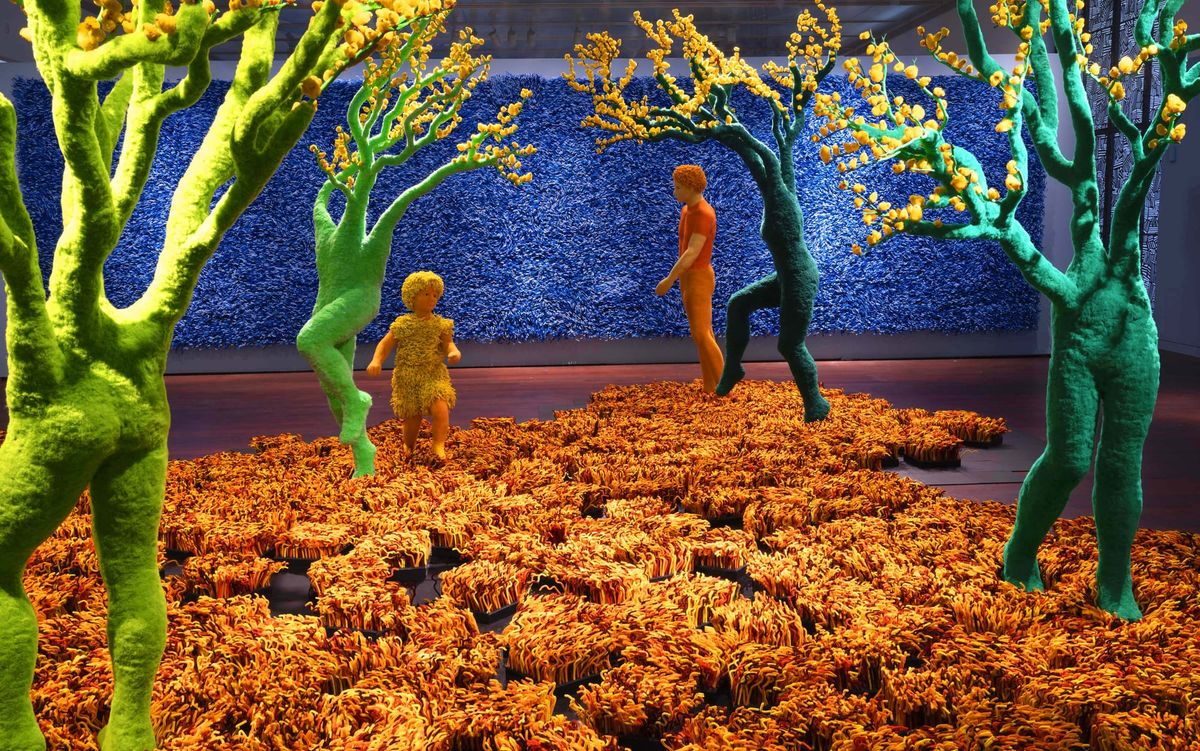
“The McNay has a long history, beginning with our founder, of nurturing that,” he said. “We have increasingly been thinking about ways in which the museum can support our strong local and regional artist communities, simultaneously engaging with local stories that have broader resonance — local roots, global impact is a phrase we’ve been using internally.”
The growth of the collection over that period was also tied to sustained relationships with donors and patrons.
“One of the things that I think marked René’s tenure at the McNay were the close relationships he established fairly early on with long-time supporters of the museum while also engaging and welcoming new supporters,” McLendon said.
“In doing so, he was able to create an environment in which donors were brought along on the journey helping to shape the museum’s permanent collection.”
Stories like this take time, documents and a commitment to public transparency. Please support independent arts journalism by subscribing to Urgent Matter and supporting our work directly.