Qatar Museums to build Mario Kart-inspired video game with Google Cloud
Qatari state media reported that the game is rooted in Nintendo’s Mario Kart but has been “completely redesigned."

Qatari state media reported that the game is rooted in Nintendo’s Mario Kart but has been “completely redesigned."
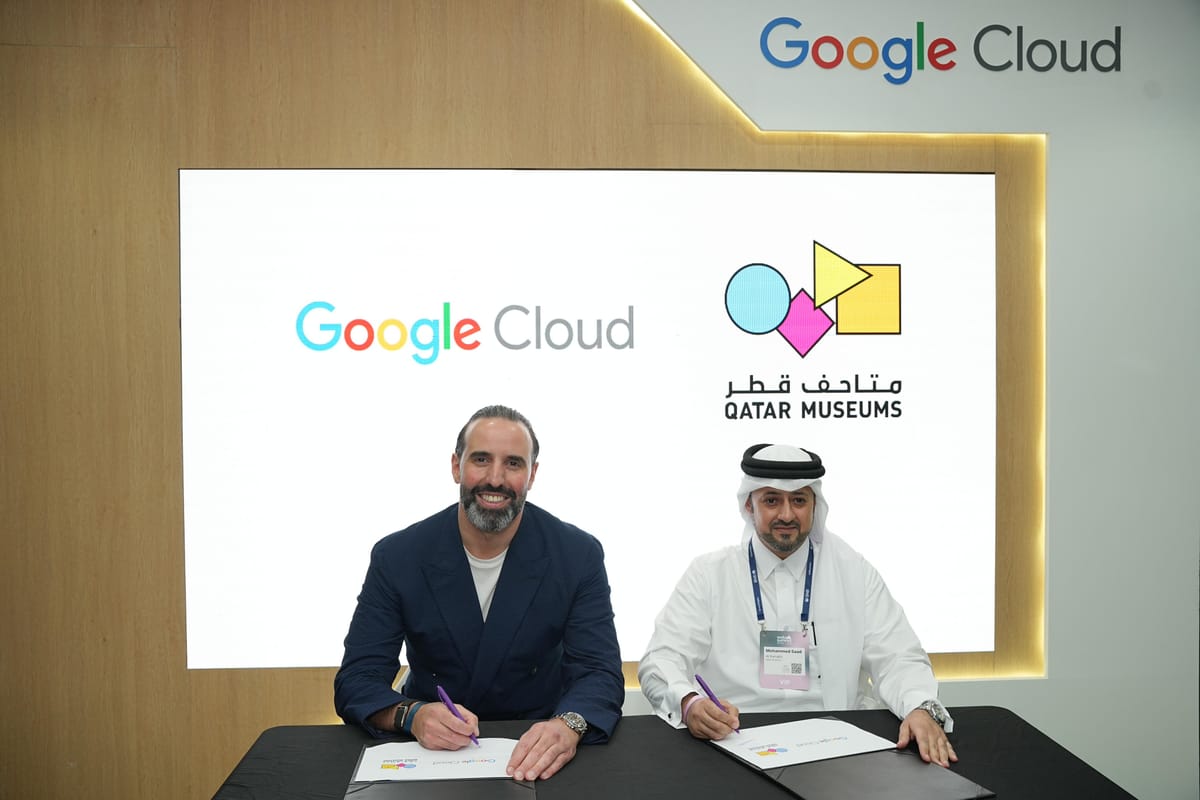
Qatar Museums signed a partnership with Google Cloud this week to build an “innovative museum-themed racing game” to promote its cultural heritage.
The initiative that will “bring Qatar's rich cultural heritage to a global audience through an interactive and engaging gaming experience,” Google Cloud Arabia said in a post to LinkedIn.
“This groundbreaking project will leverage Google Cloud's advanced AI and cloud technologies to create a unique game that combines the thrill of racing with the educational and cultural richness of Qatar's museums,” Google Cloud Arabia said.
“The game is designed to engage a new generation of museum-goers and gamers alike, offering a novel way to experience art, history and culture.”
Further details about the game, such as when it would launch and where it would be playable, were not provided in the post.
 Adam Schrader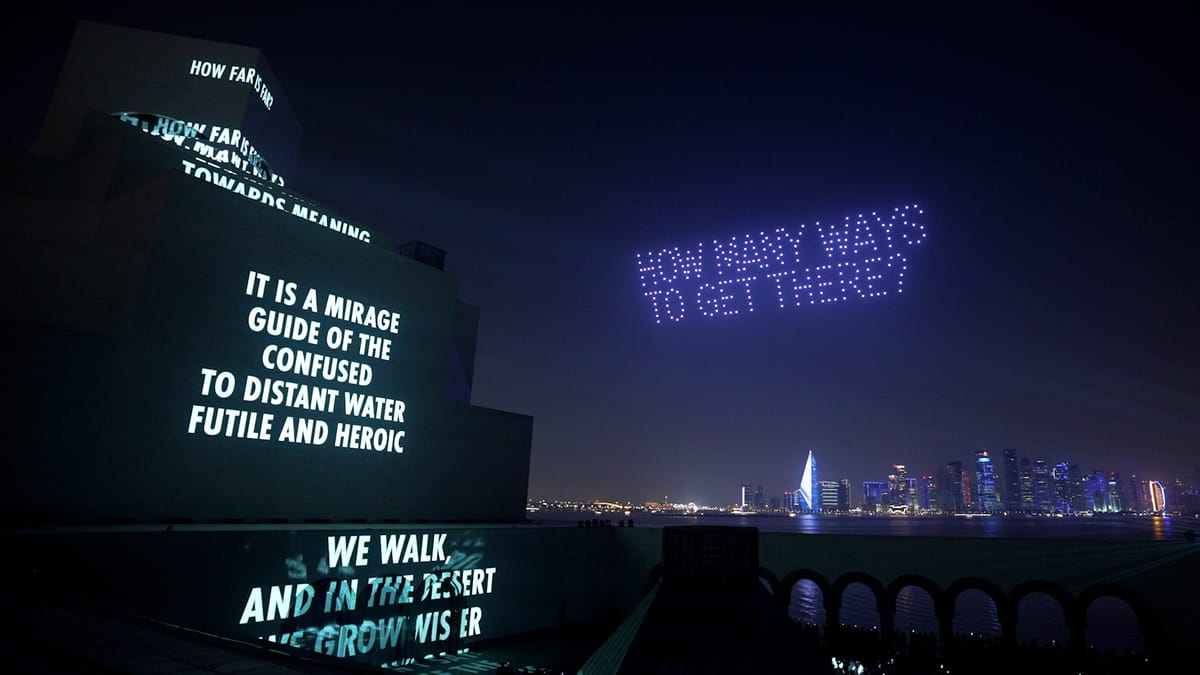
Qatar Museums chairwoman Sheikha Al Mayassa bint Hamad Al-Thani, the sister of Qatar's ruling emir, announced the partnership at Web Summit Qatar’s session "Investing in culture: Museums, creative industries and the knowledge economy."
Qatari state media reported that the game is rooted in Nintendo’s Mario Kart but has been “completely redesigned using Qatari cultural investments, transforming it into an educational tool.”
Though the partnership was described as a “first-of-its-kind” initiative, collaborations between museums and game designers and tech companies are not entirely new.
Ubisoft, developer of the Assassin’s Creed series, has partnered with institutions including the British Library, the National Museum of Denmark and Réunion des Musées Nationaux to curate accurate content for its educational Discovery Tour content series, as well as with the French Culture Ministry and other institutions globally for various initiatives.
Similarly, museums like the British Museum and the Smithsonian have experimented with augmented reality and interactive digital storytelling that sit somewhere between education and play.
The project also sits within a wider push across the Middle East and North Africa to position the region as a global cultural and technological hub. Governments and museum authorities have invested heavily in cultural infrastructure, physical and digital alike, using partnerships with multinational tech firms.
Also this week, conceptual artist Jenny Holzer staged a “surprise” premiere of a new work, titled Song, at Doha’s Museum of Islamic Art, ahead of the new Art Basel Qatar’s first preview day. That work included monumental-scale architectural projection with a performance involving more than 700 drones.
Stories like this take time, documents and a commitment to public transparency. Please support independent arts journalism by subscribing to Urgent Matter and supporting our work directly.