Photographer Jon McCormack’s new book explores patterns found in nature
McCormack’s book, Patterns: Art of the Natural World, contains 90 illustrations across 168 pages. It is slated for release on April 22.

McCormack’s book, Patterns: Art of the Natural World, contains 90 illustrations across 168 pages. It is slated for release on April 22.
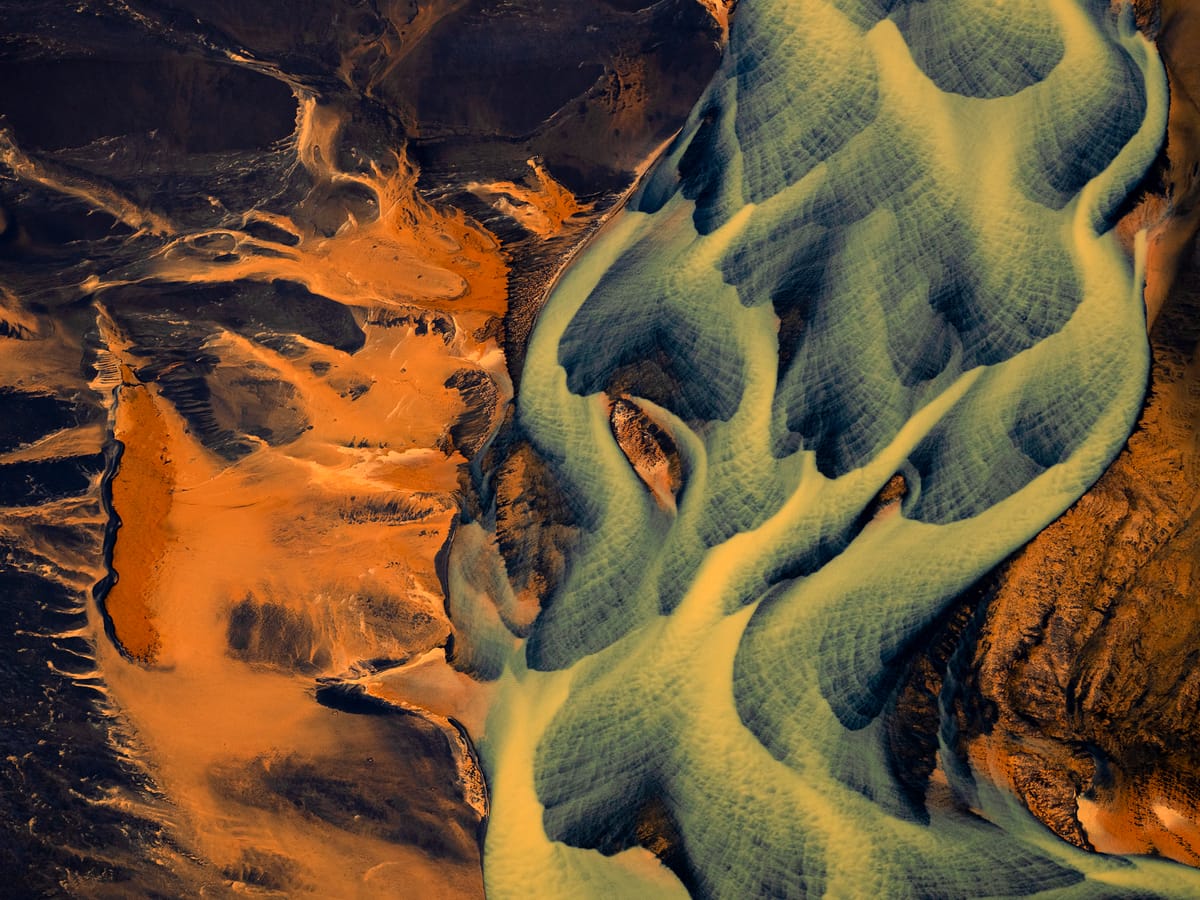
Jon McCormack helps build some of the most widely used cameras in the world. Outside his role as vice president of camera and photo software engineering at Apple, he uses iPhones and other cameras to photograph patterns in nature.
McCormack’s first photography book, Patterns: Art of the Natural World, features photos from six continents. The 168-page hardcover monograph, containing 90 illustrations, is published by Damiani and will be released to coincide with Earth Day on April 22.
All proceeds from the book will benefit the nonprofit Vital Impacts. The organization supports environmental storytelling by funding photographers and conservation projects focused on the natural world.
“I deeply believe in the future of visual storytelling,” McCormack told Urgent Matter. “The thing that I love about Vital Impacts is that their reason for existence is to invest in visual storytellers.”
He said the group’s recent focus on supporting photographers working in their own regions influenced his decision.
“They've started to develop this mentoring program with a real emphasis on in-country storytelling,” he said. “The people who live in a particular location are actually the people best suited to tell stories about that location. And that's something that I think is powerful and deeply believe in.”
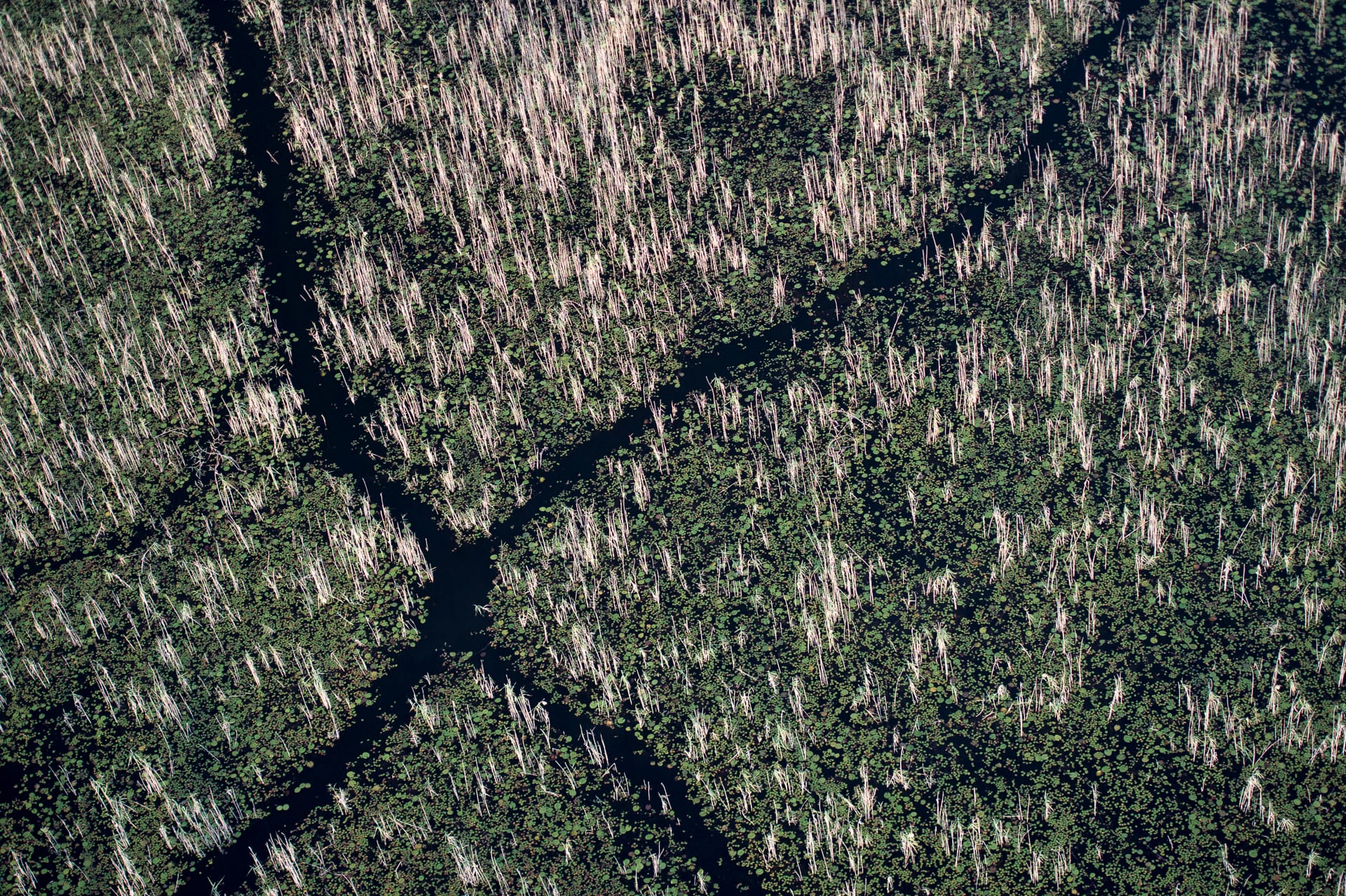
Much of Vital Impacts’ work centers on people and environmental issues, but McCormack’s photography takes a different approach. His images rarely include people, instead focusing on textures and structures in the natural world.
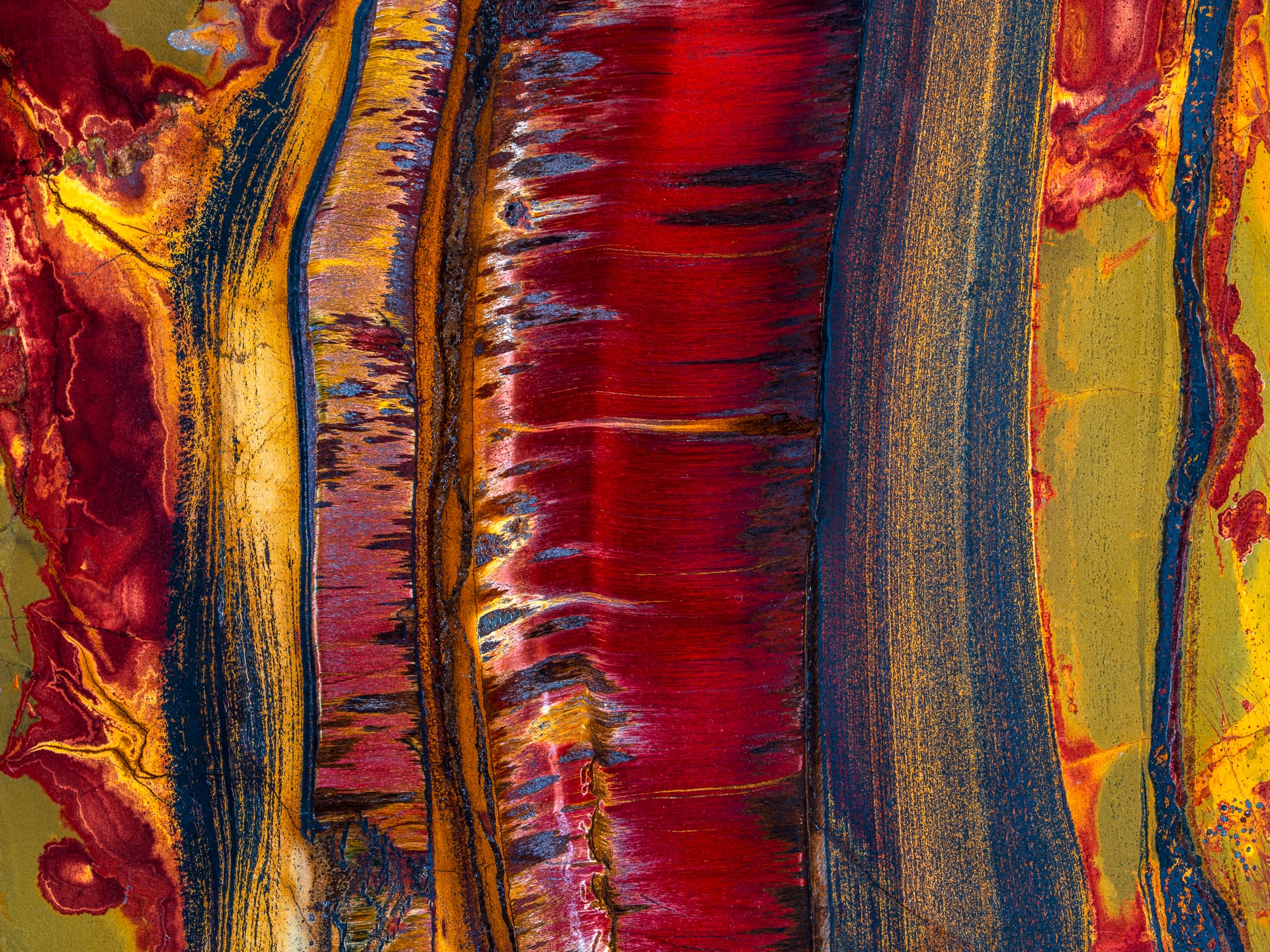
“Rocks are way less judgy of their photographs than people,” he said.
He took many of the book’s images while traveling for work, often photographing during existing trips to minimize the carbon footprint of his photography.
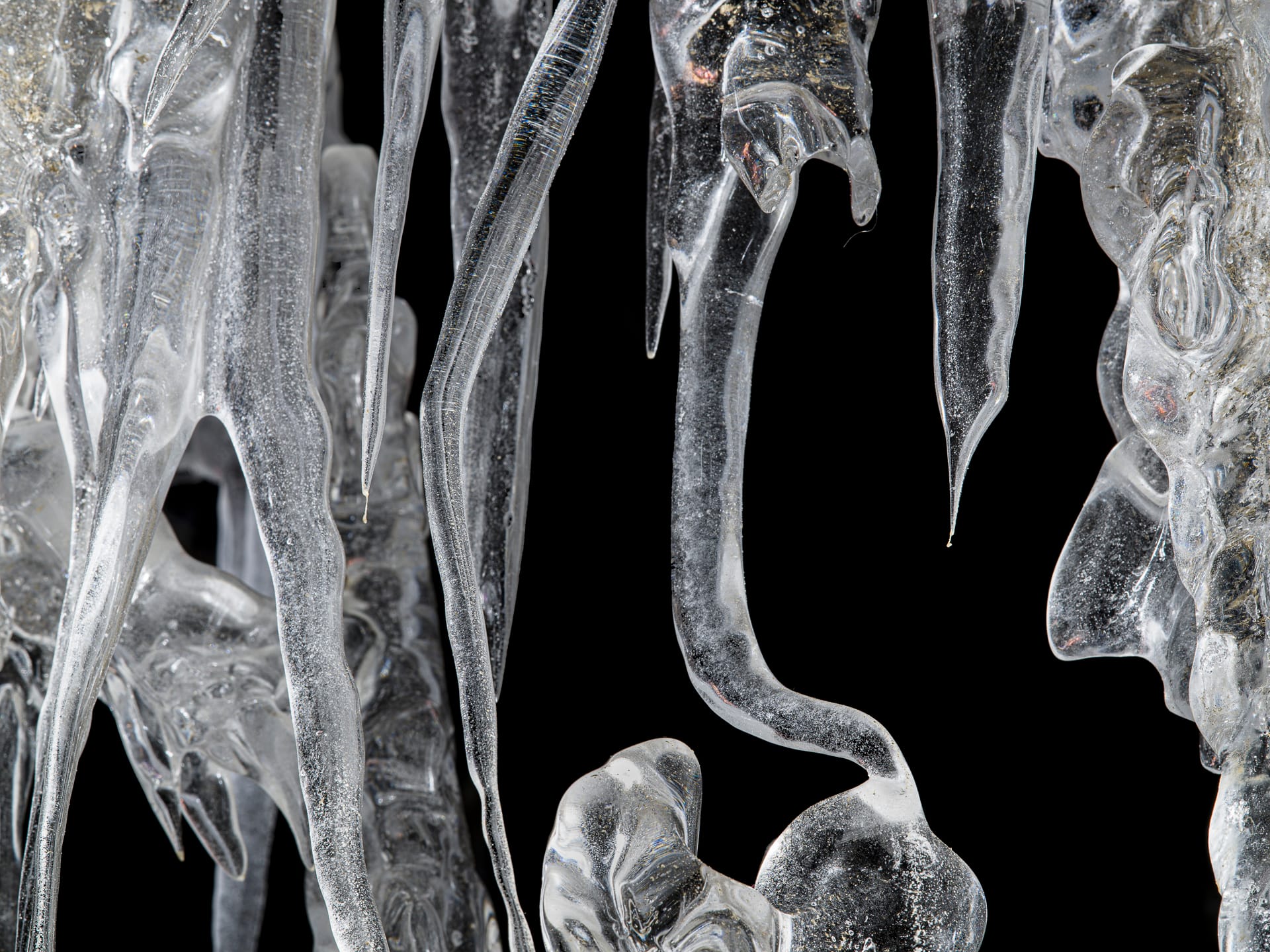
“When I photographed ice caves in Svalbard and in Iceland, all of those have been done in the context of me already being on the other side of the world anyway for work,” he said.
The approach reflects a broader shift in travel patterns. As previously reported by Urgent Matter, travelers are increasingly extending business trips with leisure activities, adding time for cultural visits and local experiences.
The book features images from deserts, mineral formations, and animal markings, such as similar patterns found in Death Valley’s mud and a giraffe in Kenya’s Masai Mara.
“I've come to think of myself more as a treasure hunter as a result of this project,” he said.
Some images are planned, others are not. He said photographing animals is often unplanned, while landscape work involves positioning himself where patterns are likely to appear.
“With animals, it very much tended to be like a happenstance thing,” he said. “For a lot of the landscape stuff, it was more ‘put myself in a position where it's likely that patterns will appear, and then when I find them, then go figure out how to photograph them.’”
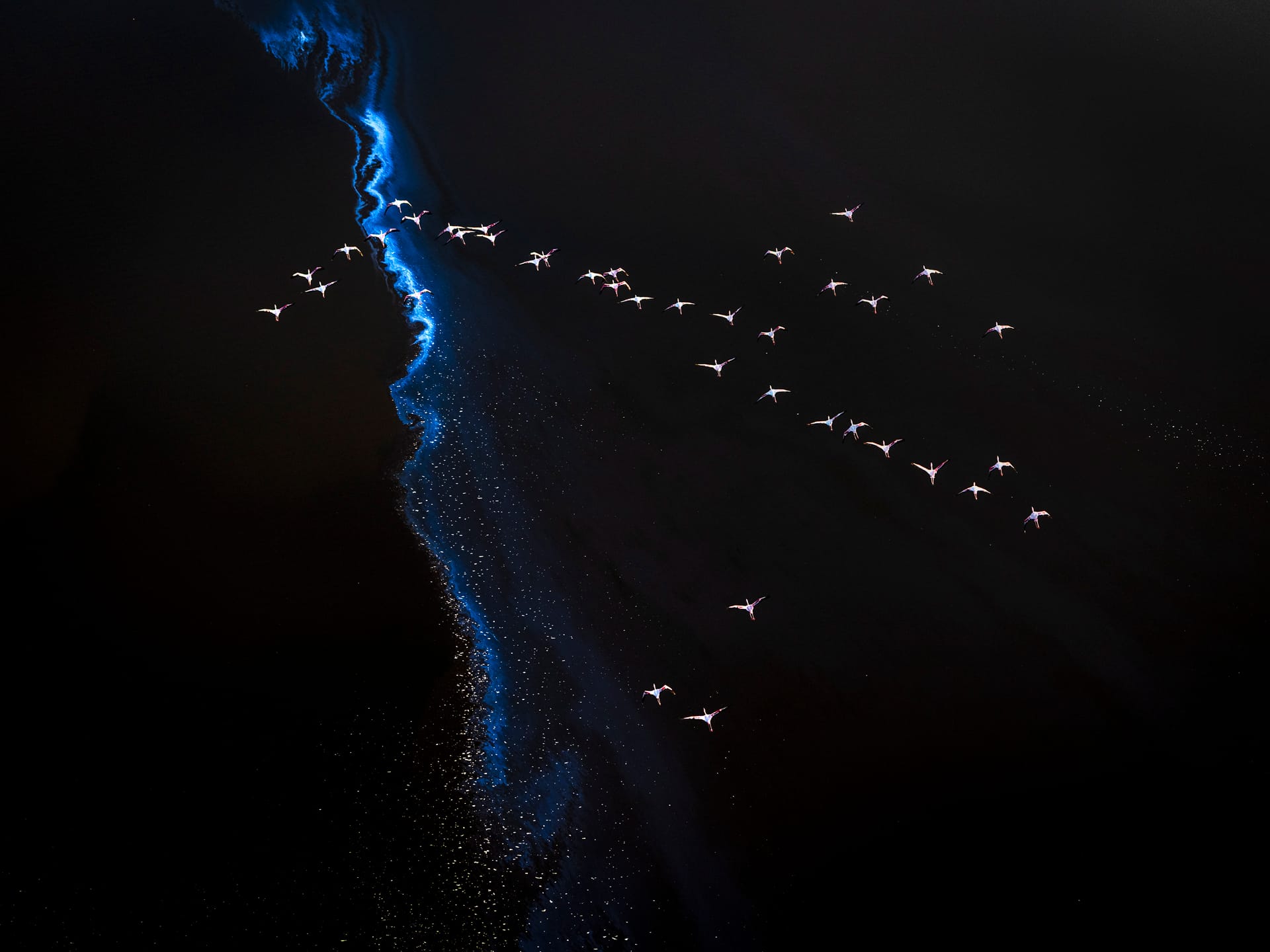
He said landscapes can be more predictable, with conditions that make patterns likely. At Kenya’s alkaline Lake Magadi, shifting conditions create changing colors and patterns. But he clarified, “there's no ‘I'm going to go there, and I'm going to find this particular pattern.’”
“It'll often take me weeks to take a photograph of a rock because sometimes it's technically difficult,” he said. “But the thing that takes the bulk of the time is just trying to figure out what the interesting photograph is in a rock.”
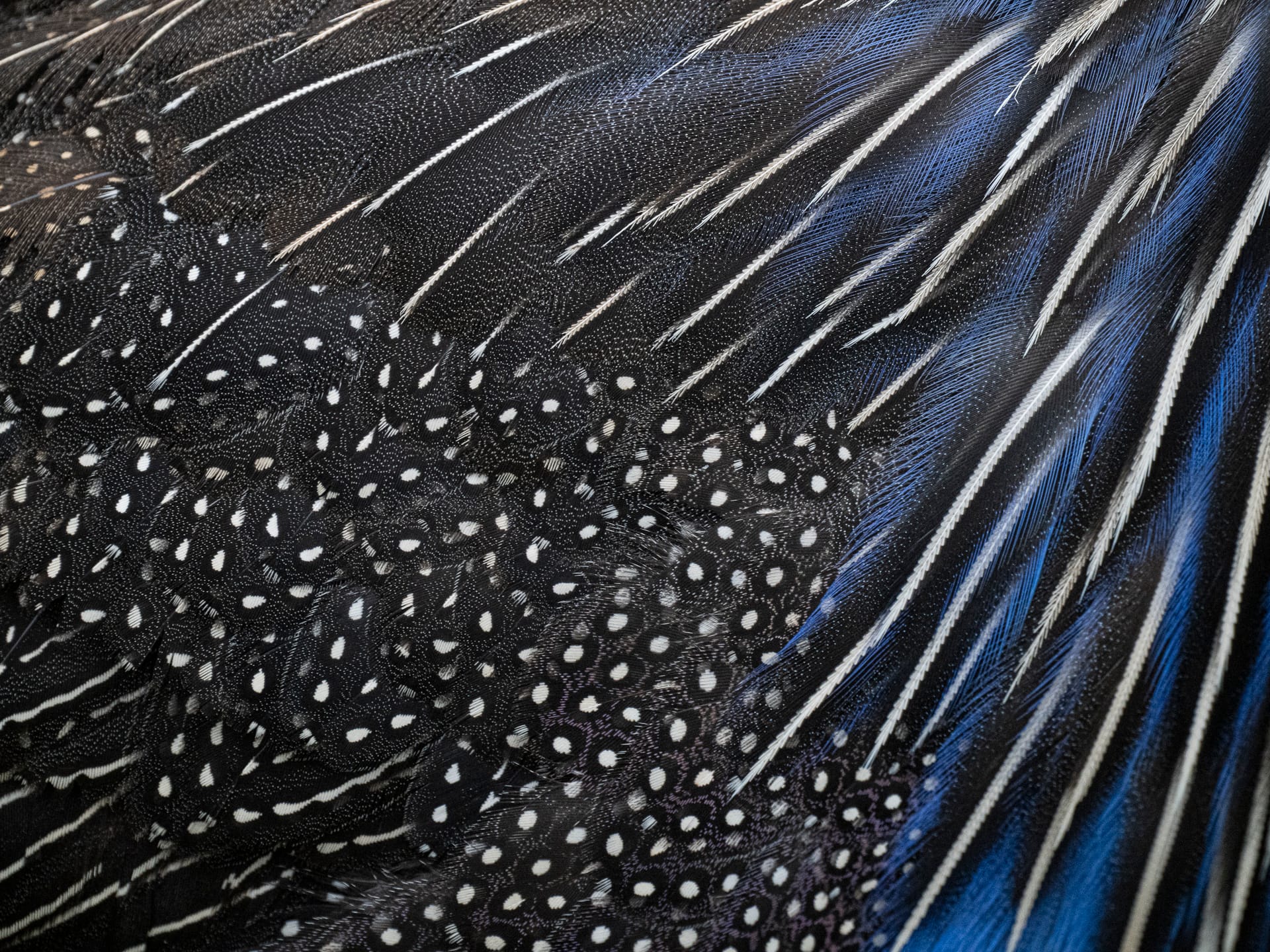
The equipment he uses depends on the subject. Some photos are taken with a phone, while others need special gear like underwater housings or microscopes. Aerial work presents additional challenges.
“When you're in a helicopter over a glacier or an alkaline lake, you need to be very careful,” McCormack said. “You need a camera that can take a very high shutter speed and has lenses that don't vibrate.”
McCormack said that when he shoots out of a helicopter, he takes the doors off so that there's nothing between him and the ground.
“There's obviously a lot of vibration from the helicopter, but there's also a lot of wind, so you need to be very thoughtful and very careful about what camera you use,” he said.
Despite the range of gear he uses, McCormack said he treats the iPhone like any other camera, relying on its automated settings.
“With iPhone, we very much sort of build it to take a lot of the arcane technical stuff out of photography so that you can just go take a photograph,” he said.
His work at Apple feeds into his approach, McCormack said. He said working on camera software keeps him focused on how images are made and used.
“The visual, creative side of my brain is just active all the time, and I do think that makes me a stronger photographer,” he added.
The book’s final form was shaped during editing. McCormack said an early version focused too much on large, striking images.
“All of the images were just these really big, charismatic photographs,” he said. “And it was really boring.”
Working with an editor led to a more varied sequence. The editor began by requesting McCormack’s entire catalog in Adobe Lightroom, delivering to him a 20-page layout that he described as “pretty close to the first 20 pages of the book.”
Many of the images document environments in transition. McCormack pointed to the ice caves in Iceland, which are shrinking as glaciers retreat, meaning patterns he photographed for the book might already no longer exist.
He said he has also seen changes underwater over time. Rising sea temperatures have altered what divers see underwater.
“The kelp forests that I could take 20 years ago—everything—is fundamentally changed, because it's become a more interesting habitat for sea urchin that eat the kelp,” he said.
The book also includes essays by contributors, each responding to the same prompt. Those writers included: National Geographic photographer Ami Vitale, who founded Vital Impacts; National Geographic Explorer in Residence Wade Davis; author David George Haskell; Rainforest Alliance founder Daniel Katz; and ocean conservationist Sylvia Earle.
The goal, McCormack said, is to show how those patterns connect different parts of the natural world.
“I was looking to take a little bit of a step back and say, it's not about specific patterns,” McCormack said. “It's about the fact that we live in this patterned world, and it's a wondrous thing.”