Philadelphia Art Museum reverses controversial rebrand amid Sasha Suda lawsuit
The museum will keep the griffin in its logo but return to its Philadelphia Museum of Art name.

The museum will keep the griffin in its logo but return to its Philadelphia Museum of Art name.
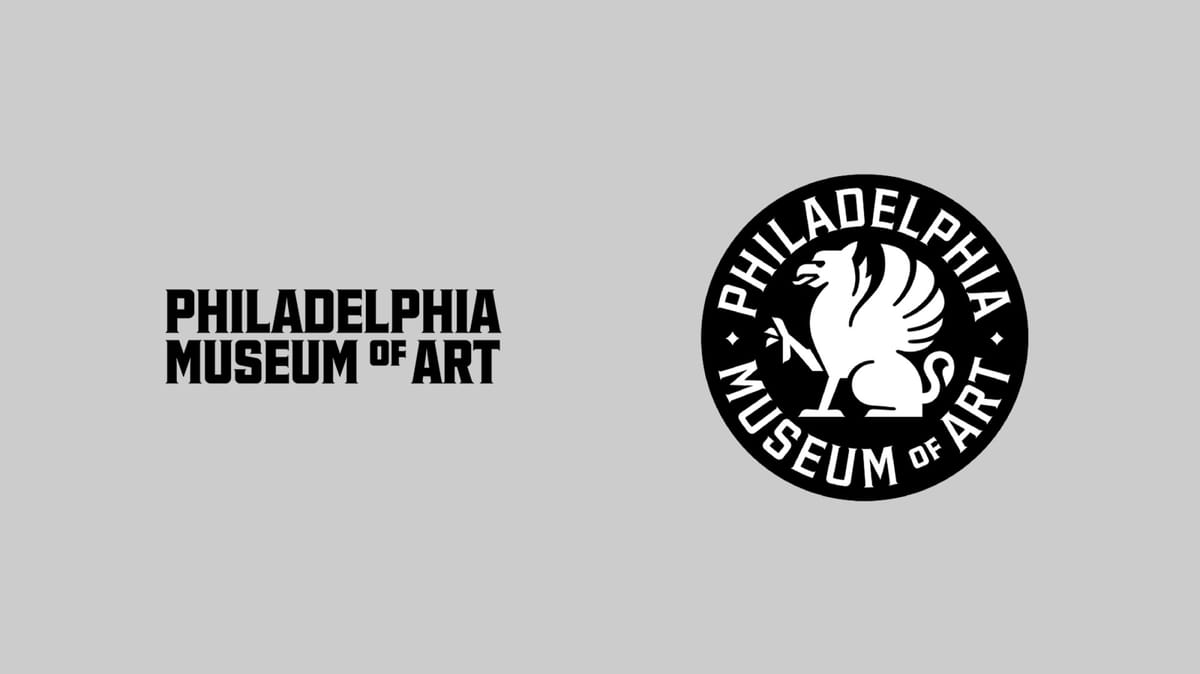
The Philadelphia Art Museum’s new director has reversed the institution’s controversial decision last year to rebrand from the Philadelphia Museum of Art, days after winning its bid to move a lawsuit filed by former director Sasha Suda to arbitration.
Daniel Weiss, its new director, announced the change in a letter to the public published on the museum’s website. Weiss, a former president of the Metropolitan Museum of Art, was tapped to lead the institution in November, just three weeks after Suda’s dismissal.
“On the institutional front, as you likely know, in the fall the museum introduced a new look and a new name,” Weiss said.
Weiss said that when he began in the role, he asked staff to gather feedback about the rebrand. He said the public did respond favorably to the use of a griffin in the rebranded logo, even though the logo received widespread criticism when it was unveiled.
 Adam Schrader
But he said “many” people preferred the institution’s original name, rather than the shortened Philadelphia Art Museum name introduced in the fall rebrand.
“We’ve taken this feedback to heart, and to this end, in the coming days you’ll see a refreshed logo with the griffin and a return to the Philadelphia Museum of Art name,” Weiss said. “And, as I know many of you are veritable museum insiders and will always call us PMA, this update works for that too!”
Griffin imagery has long been associated with the museum, but it has not been a constant feature of the museum’s official logo. While stone griffins have appeared on the museum’s Beaux-Arts building, its visual identity has shifted repeatedly over the decades, alternating between figurative symbols and typographic marks.
The museum first adopted a griffin as part of its official seal in 1938, using a traditional, detailed emblem on formal documents and institutional materials. Variations of the griffin often appeared in illustrative or heraldic styles that aligned with its architecture.
In the decades that followed, versions of the griffin appeared intermittently on museum materials, including tickets, shopping bags and promotional items.
 Adam Schrader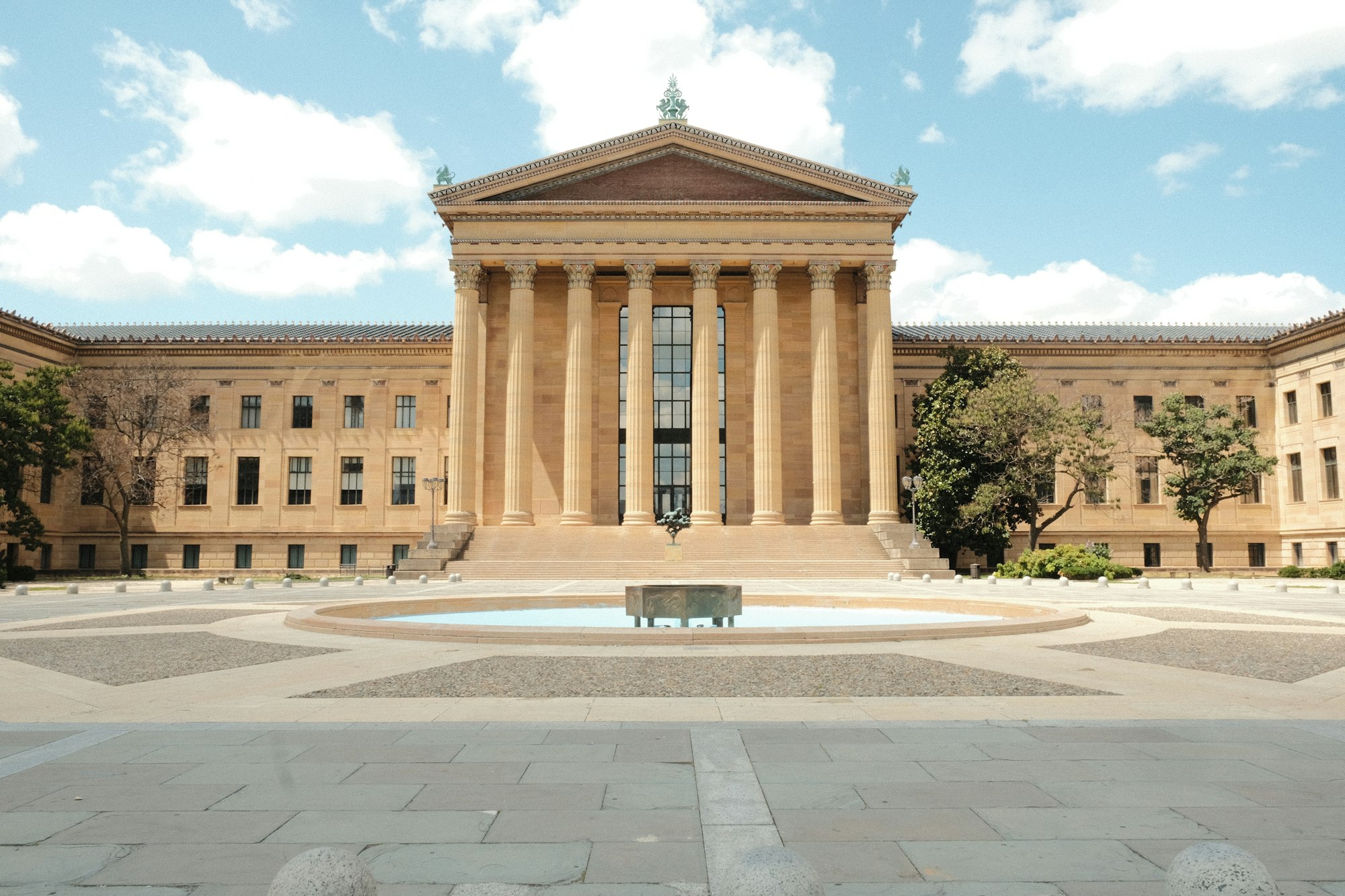
But the museum introduced a major rebrand developed by the design firm Pentagram in 2014 that eliminated the griffin from the museum’s primary visual identity, replacing it with a typographic system.
Last year, Suda unveiled the rebrand that shortened the museum’s name and reintroduced the griffin and positioned it at the center of the museum’s visual identity.
However, the griffin reappeared as a bold, minimalist design developed by the Brooklyn-based firm Gretel rather than as a classical rendering, initially drawing criticism that it looked like sports or corporate branding.
Weiss’ announcement came just days after a Pennsylvania judge ruled in favor of the Philadelphia Art Museum, granting its request to have a lawsuit filed by Suda heard in arbitration rather than in open court.
Suda filed the lawsuit against the museum in the Philadelphia Court of Common Pleas in November, accusing the museum of firing her “without a valid basis” after the controversial rebrand.
Her lawsuit accused a faction of the museum’s board of manufacturing pretextual grounds for her dismissal by hiring a law firm to conduct a “sham investigation” amid attempts to falsely accuse her of using museum funds for personal gain.
The Philadelphia Art Museum fired back at Suda in court later that month. It said that its board voted 12-0, with one abstention, on October 27 to fire Suda after “reviewing evidence” that she allegedly misappropriated funds and “lied to cover up her theft.”
Suda in December then asked the judge to keep her case in court, where she sought a jury trial. She argued that her employment contract explicitly allows court litigation, rather than private arbitration, when the museum violates its non-disparagement obligations.
At the time, her lawyers characterized the museum’s arbitration bid as an attempt to “keep its wrongdoing out of public view.” Unlike in court where the evidence discovery process can lead to major revelations of institutional operations, arbitration typically keeps disputes out of public courtrooms and does not involve jury trials.
Stories like this take time, documents and a commitment to public transparency. Please support independent arts journalism by subscribing to Urgent Matter and supporting our work directly.