Nevelson paired with overlooked Slobodkina in show on early U.S. abstraction
The exhibition was organized by the Arkansas Museum of Fine Arts and is on view at the Chrysler Museum of Art in Norfolk, Virginia.

The exhibition was organized by the Arkansas Museum of Fine Arts and is on view at the Chrysler Museum of Art in Norfolk, Virginia.
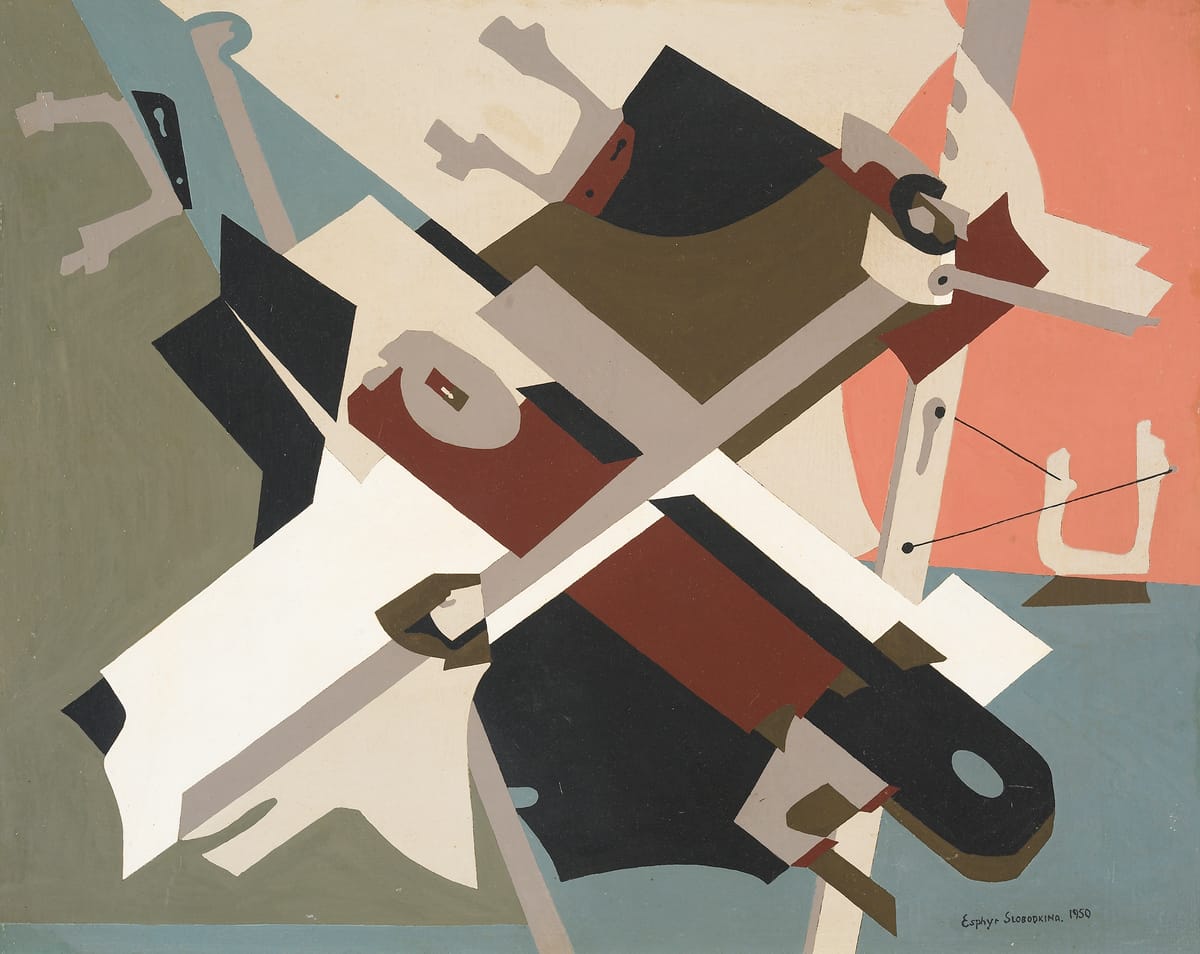
Esphyr Slobodkina, best known for the beloved children’s book Caps for Sale, is being paired with Louise Nevelson in a new exhibition that revisits how abstract art gained a foothold in the United States.
The exhibition, “Architects of Being: Louise Nevelson and Esphyr Slobodkina,” was organized by the Arkansas Museum of Fine Arts and is on view at the Chrysler Museum of Art in Norfolk, Virginia, as part of a multi-venue tour.
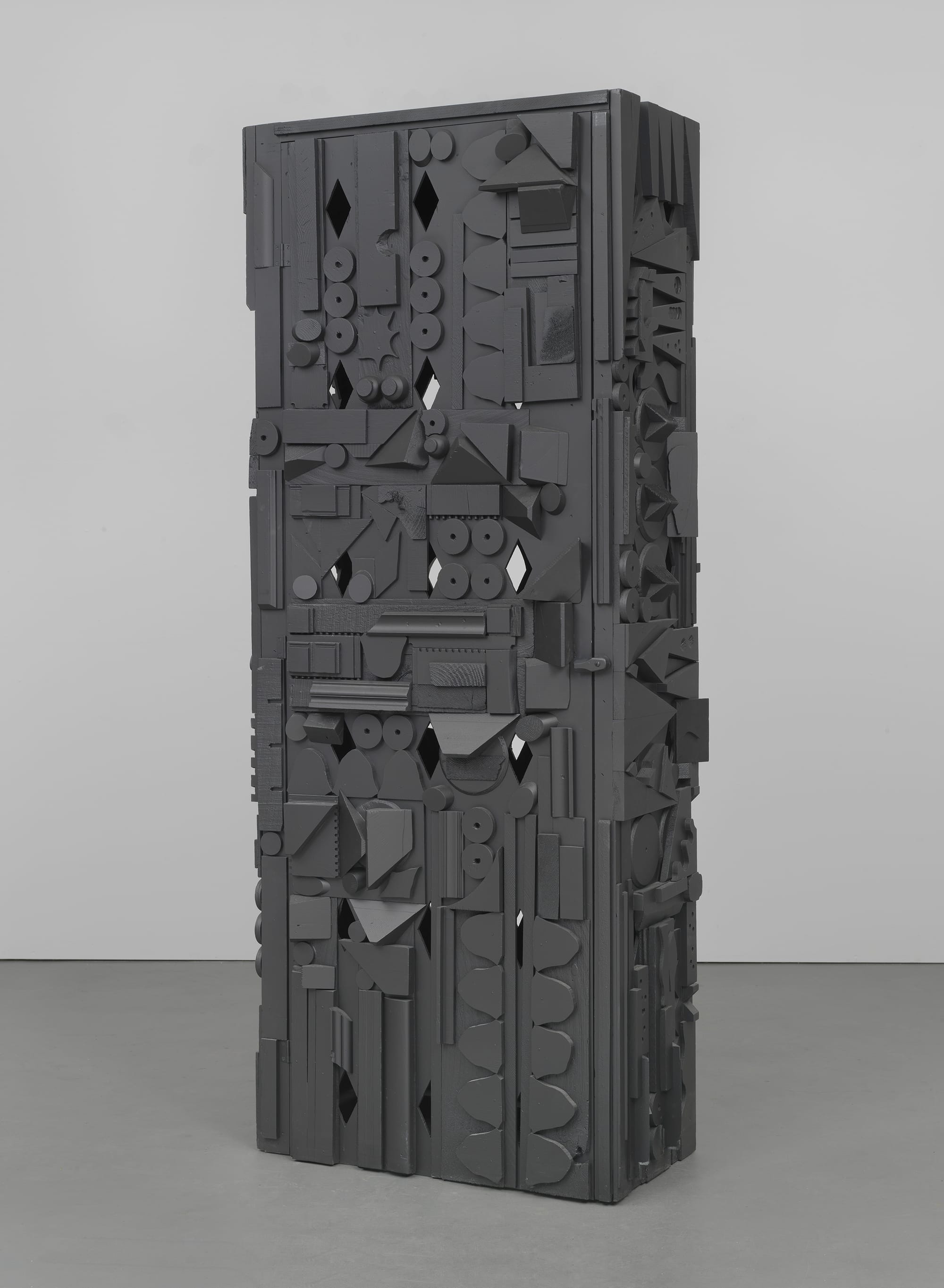
The Chrysler Museum presentation adds two works by Nevelson, Night Zag VI and a mini-assemblage necklace, and includes the museum’s own Nevelson sculpture, Dawn’s Presence. In total, 77 items are on view in Norfolk.
The show, the first to pair Nevelson and Slobodkina, was five years in the making and was organized by AMFA curator Catherine Walworth. Its installation in Norfolk is being overseen by the museum’s modern and contemporary art curator Chelsea Pierce.
Pierce told Urgent Matter that Walworth originally planned the exhibit as a Nevelson show and was then pointed toward Slobodkina’s work “as a happy accident.”
Further research supported pairing the two artists. Pierce said that when she received the proposal to participate, she was familiar with Nevelson but had not heard of Slobodkina, what she described as “probably a common experience for our visitors.”
“Slobodkina’s work is a complete revelation,” Pierce said. “I was most surprised by the variety of her creative outputs across fashion design, architecture and interior design, painting, sculptures, collages and children’s book illustration.”
Pierce said that, while Nevelson is more widely known, the exhibition still holds surprises for visitors familiar with her work.
“This is the first museum exhibition that has brought together Nevelson’s garments and personal effects alongside her art,” she said. “Part of the challenge was to strike a balance between the two artists so that one doesn’t dominate the narrative.”
Because Slobodkina is less well known, the exhibition includes a greater number of her works to better introduce her practice to audiences, Pierce said.
The show draws on major parallels between the lives of the two artists. Both women were Eastern European Jewish immigrants, Nevelson arriving as a child from present-day Ukraine in 1905 and Slobodkina arriving as a young adult from Russia in 1928.
“I think the mutual experience of immigrating at young ages and having to adapt to a whole new environment and learn a language while not being totally accepted in their new society gave both women a strong character of perseverance,” Pierce said. “Without their tenacity, every door would have been shut to them as they navigated their artistic paths.”
Both women were also part of the American Abstract Artists group, founded in 1936, which worked to promote abstract art at a time when it was largely excluded from major U.S. institutions.
“What visitors will learn is that the AAA was more than just a collective of like-minded artists who were interested in abstraction as opposed to social realism, the predominant style at the time. The AAA was an advocacy group that worked to make space for the display of their work in galleries and eventually museums,” Pierce said.
“Abstract Expressionism is so well known and has a distinct American branding, and perhaps people assume that this movement sprung up spontaneously. Looking at the history, we can acknowledge that AAA paved the way for abstraction in American art and laid the groundwork for the following movement.”
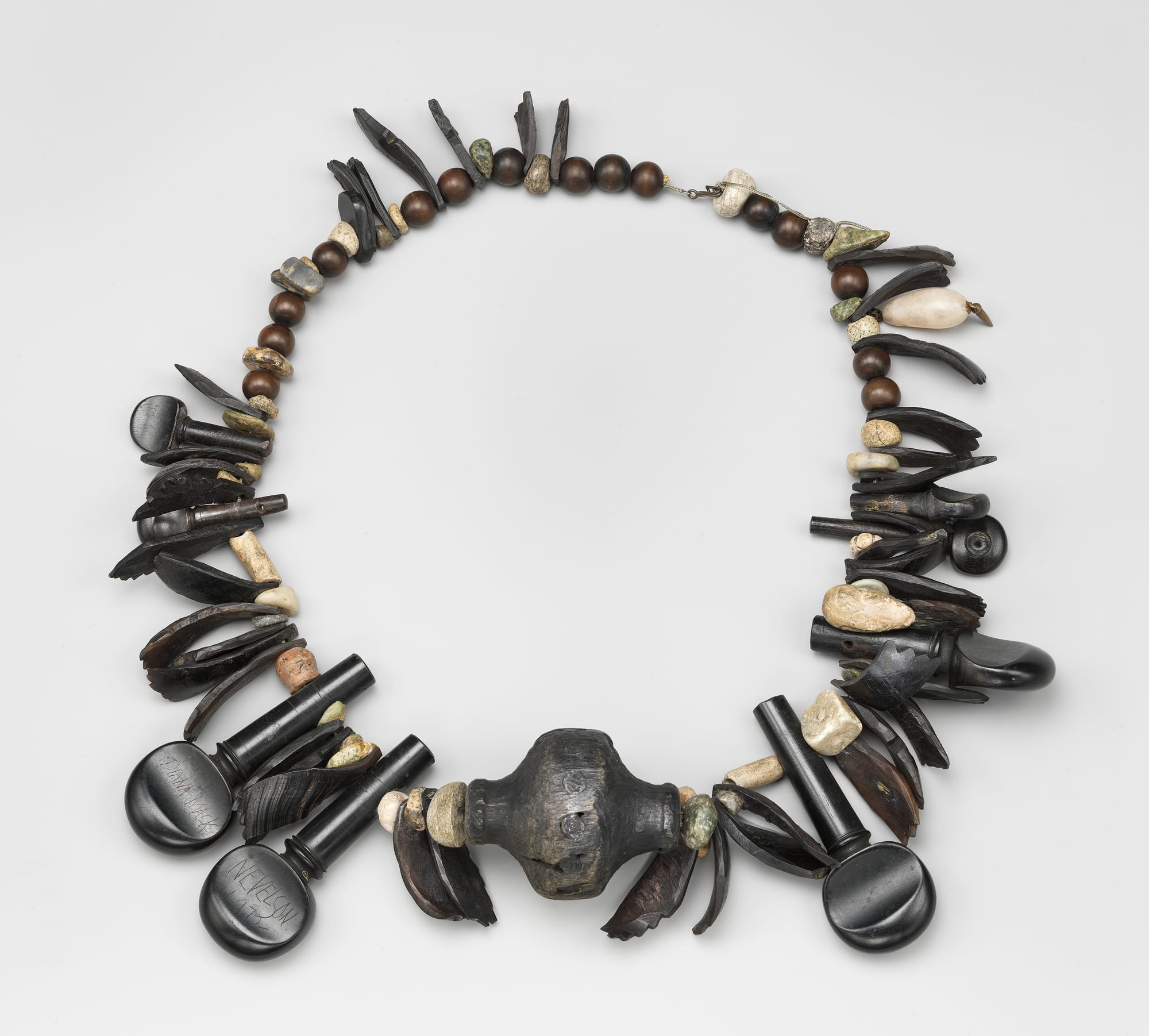
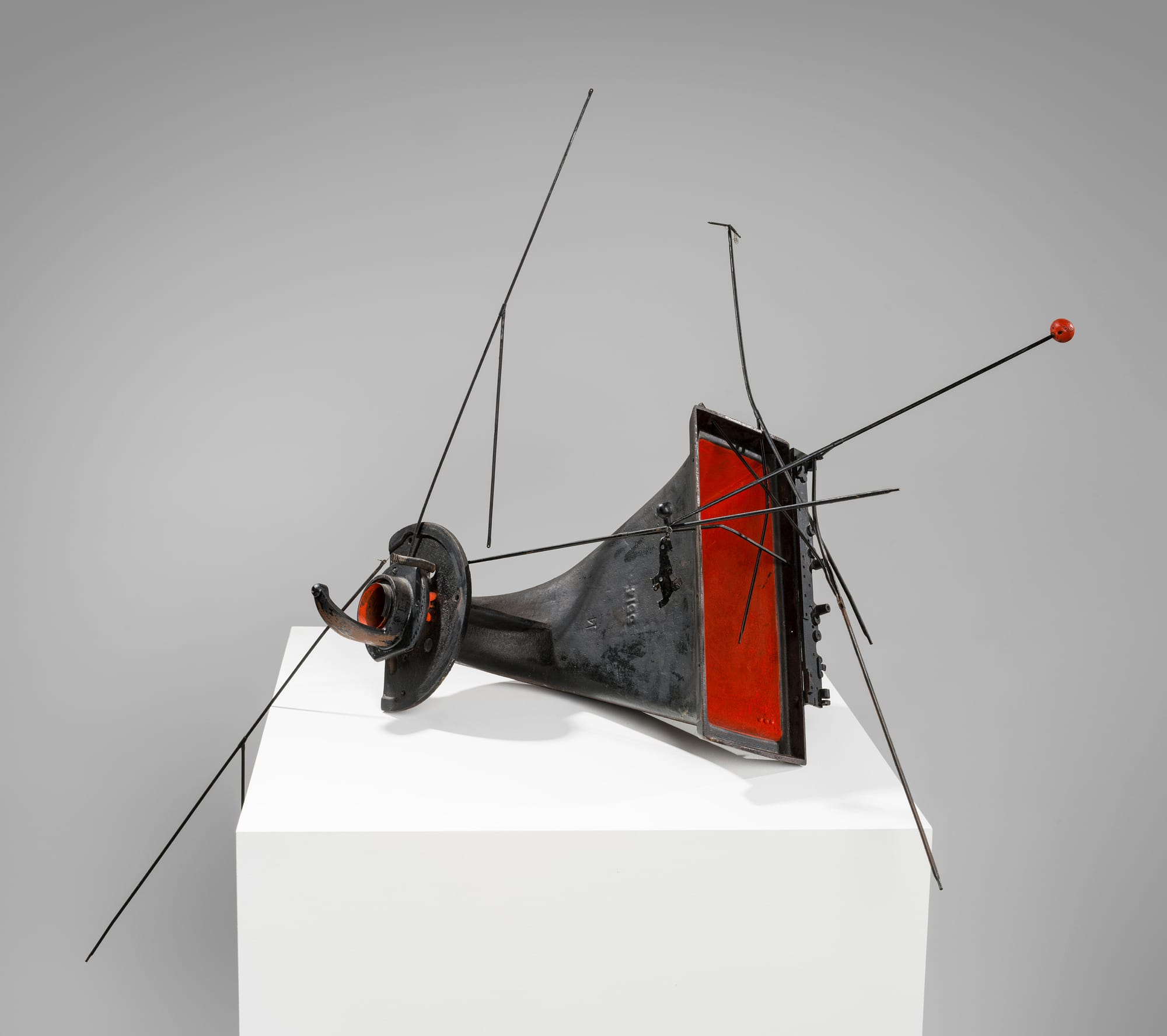
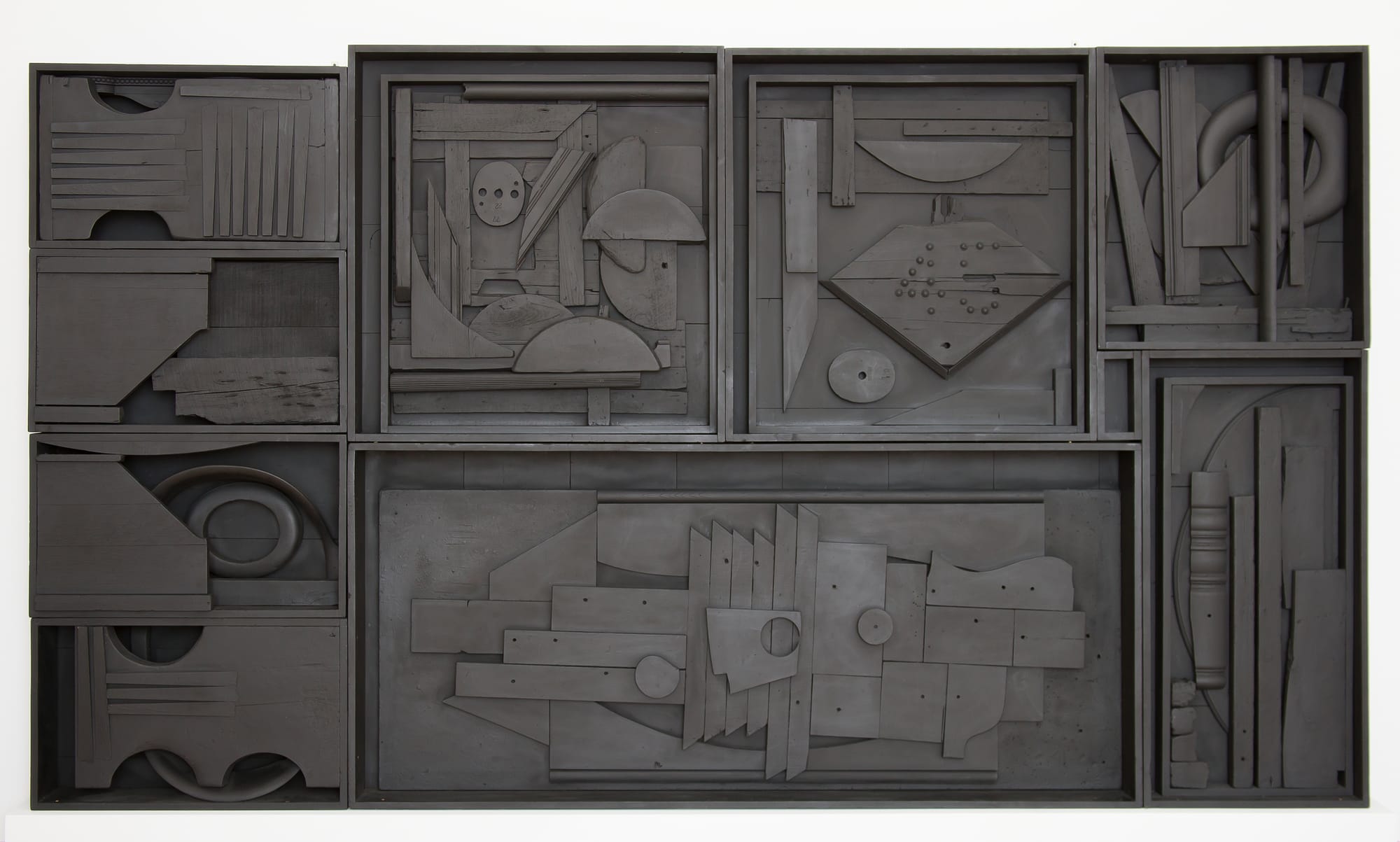
The exhibition highlights similarities in the artists’ work across mediums, from Nevelson’s sculpture to Slobodkina’s painting and mixed media.
“While they individually challenged conventions in both art and life, they had an uncanny way of arriving at similar creative outcomes,” Walworth said in a statement.
Asked why it was important to include personal items like clothing and jewelry alongside artworks, Pierce said the curators wanted to convey the totality of these two women’s lives and “infuse their work with personal biographies.”
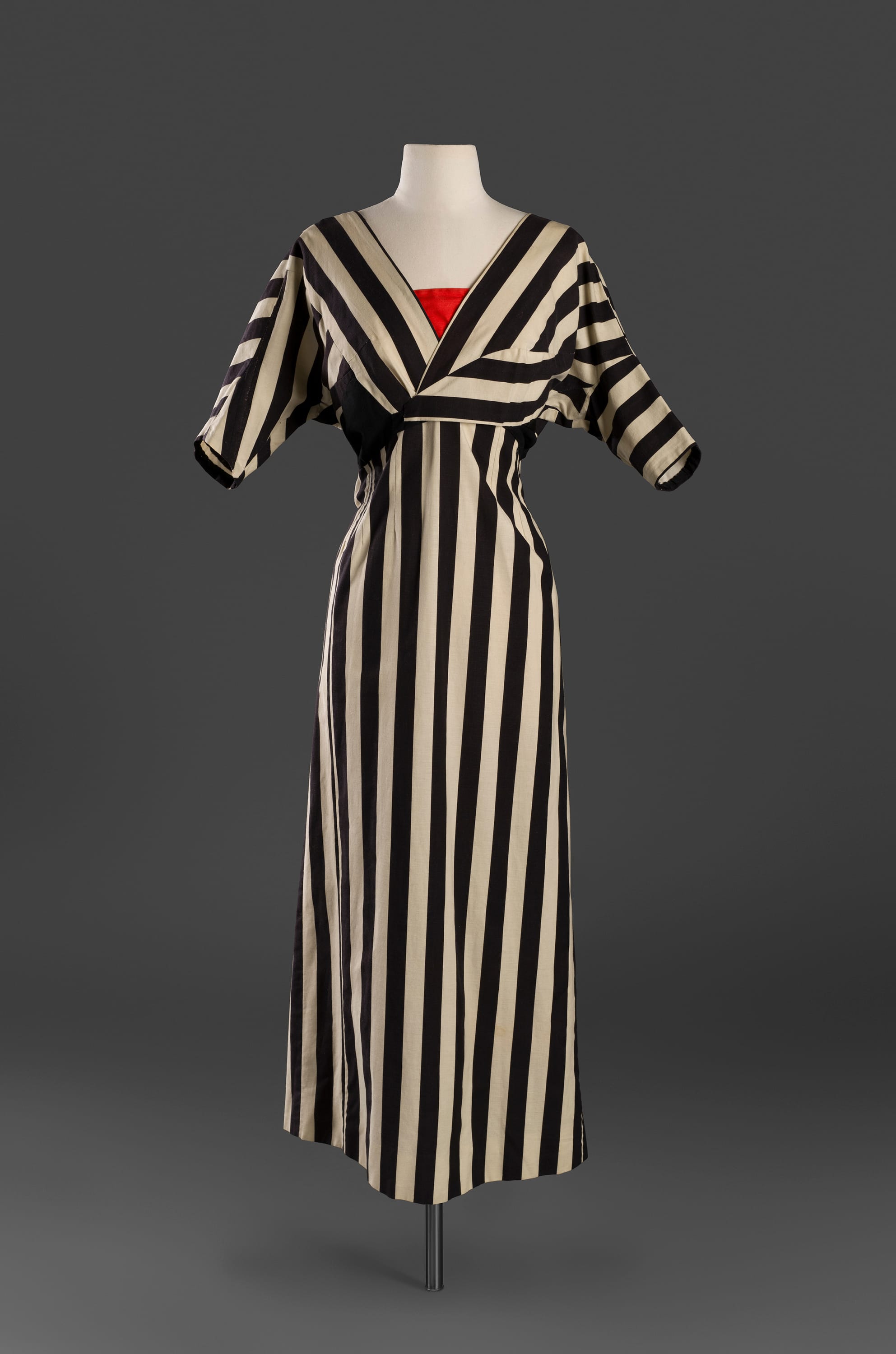
“It provides more texture to the ideas behind the show, like identity and legacy. The peasant blouses that belonged to Nevelson were handed down by her mother. We get a sense of the various aspects of her persona that she carried as she lived her life,” she said.
“For Slobodkina, the garments tell an important part of her story as well. She learned the trade of dressmaking from her mother, and this skill was vital to her survival in New York during the Depression years. I don’t view their jewelry or clothing as separate from their artistic output, nor would I consider them lesser than the other media in the show.”
Walworth also edited an accompanying catalog with new research on each artist published by the University of Arkansas Press. Pierce contributed to the exhibition’s catalog.
The show runs through May 31 at the Chrysler Museum and from there will go on view at the New Britain Museum of American Art in Connecticut.
Stories like this take time, documents and a commitment to public transparency. Please support independent arts journalism by subscribing to Urgent Matter and supporting our work directly.