Neil Gaiman breaks long silence, denies sexual misconduct allegations
His comments come after an independent Substack newsletter made a series of posts last month claiming “Neil Gaiman is Innocent.”

His comments come after an independent Substack newsletter made a series of posts last month claiming “Neil Gaiman is Innocent.”
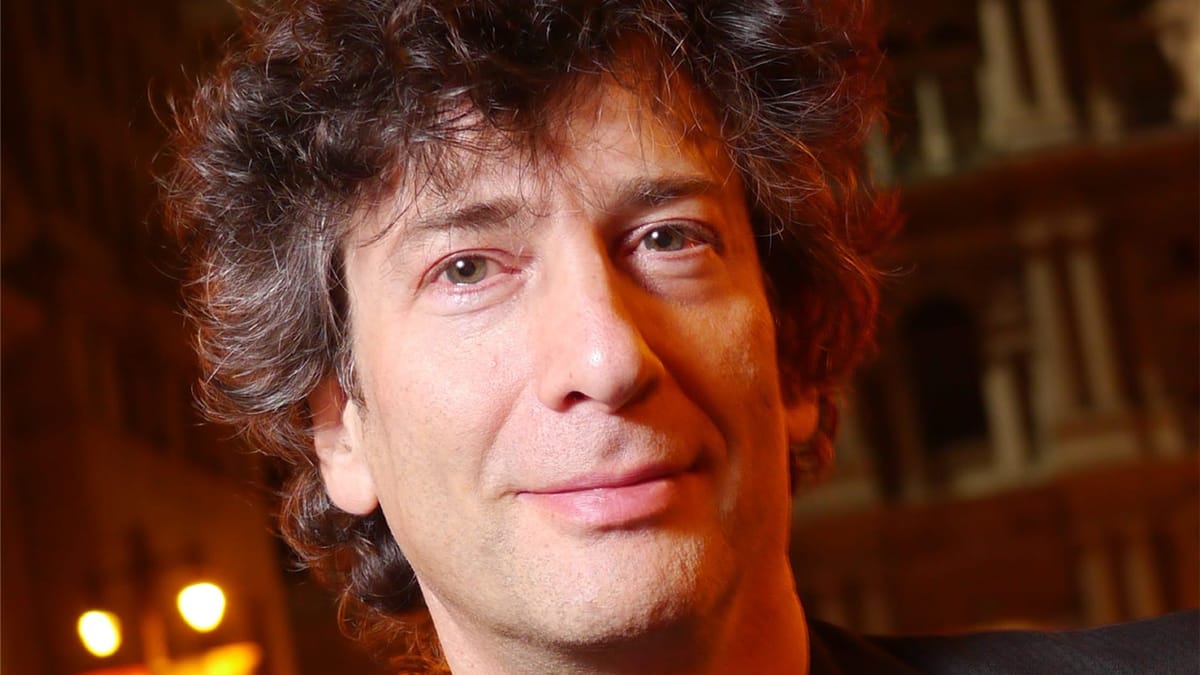
Neil Gaiman, best known for his “The Sandman” comics, which helped legitimize the medium as serious literature, has spoken out for the first time since he was accused of sexual misconduct by multiple women in July 2024.
Gaiman shared a letter to his supporters on Instagram after the independent Substack newsletter TechnoPathology made a series of posts last month claiming “Neil Gaiman is Innocent.”
“It's been a while since I've posted anything anywhere, but I didn't want to let any more time go by without thanking everyone for all your kind messages of support over the last year and a half,” Gaiman said in his post.
“I've learned firsthand how effective a smear campaign can be, so to be clear: The allegations against me are completely and simply untrue. There are emails, text messages and video evidence that flatly contradict them.”
Gaiman said that in the past year and a half, he has gone back to writing and teased a project that he said would be the biggest thing he’s done since American Gods.
“It's already much longer than The Ocean at the End of the Lane, and it's barely finished wiping its boots and hanging up its coat,” he said. “And I spend half of every month being a full-time Dad, and that remains the best bit of my life.”
The accusations against Gaiman surfaced when British news outlet Tortoise published interviews with women who said he had sexually assaulted or abused them. Ultimately, five women came forward with allegations and the news spread wide after an extended New York Magazine article titled There Is No Safe Word.
TechnoPathology’s central claim is that the headline allegations against Gaiman amounted to a “smear campaign,” and the public narrative was built by selective storytelling and networks of motivated actors who amplified it—particularly anti-trans activists—while mainstream coverage failed to interrogate seemingly contradictory evidence.
Scarlett Pavlovich, a former nanny for Gaiman’s children with Amanda Palmer, is portrayed by the Substack writer as his main accuser. The writer reviewed WhatsApp messages between Pavlovich and Gaiman from February 4, 2022, through December 28, 2022, which were submitted as part of the Coraline writer’s defense in a federal lawsuit filed against him in the United States.
The writer interpreted the WhatsApp messages between Pavlovich and Gaiman as consensual and affectionate, not coercive, with Pavlovich’s claims that she was trapped, trafficked or unable to leave allegedly contradicted by the messages.
Portrayals of the women in news reporting as financially unstable or socially marginal were misleading, including descriptions of Pavlovich as a “homeless, broke drifter” when she is allegedly the daughter of a corporate executive and was not estranged from her family, the Substack writer alleged.
Likewise, Caroline Wallner, another Gaiman accuser presented as a struggling single mother, is an established ceramic artist who has socialized within celebrity and tech circles, including R.E.M.'s Michael Stipe. The Substack writer argued such discrepancies were not disclosed to listeners or readers.
And the writer pointed to audio from a New Zealand police interview that originally aired in Tortoise’s podcast itself. In that clip, a police officer is heard telling Pavlovich that, based on her account, she did not describe conduct that would meet the legal threshold for non-consensual sex, and that police would not investigate further.
Pavlovich’s U.S. lawsuit against Gaiman, which surfaced the WhatsApp messages, was dismissed in October by a federal judge who said the U.S. wasn’t the proper forum because the relevant events and witnesses were in New Zealand.
However, the judge noted the dismissal didn’t adjudicate the underlying facts. Court documents reviewed by Urgent Matter show Pavlovich immediately appealed the judge’s decision.
 Adam Schrader
And the writer asserted that a network of commentators and culture-war figures — which they describe as including anti-trans activists, right-wing commentators and social media personalities — played a key role in amplifying the Gaiman allegations.
Specific people and groups were characterized by the writer as ideologically aligned and influential in spreading or drumming up news coverage of the allegations, not out of concern of the alleged misconduct, but in opposition to Gaiman’s political stances — especially his support for transgender rights.
“These allegations, especially the really salacious ones, have been spread and amplified by people who seemed a lot more interested in outrage and getting clicks on headlines rather than whether things had actually happened or not. (They didn't.),” Gaiman wrote in his Instagram post Monday.
Descriptions of Gaiman’s alleged abuse of the women hardened and escalated as the story moved through different outlets and online spaces, the Substack writer also argued. And they wrote that some claims first appeared in extremist forums before re-entering broader circulation.
The TechnoPathology series is openly advocacy-driven and sharply critical of the original reporting. Its findings are dispersed across numerous long, repetitive posts, often revisiting the same documents and timelines, which can make the project difficult for readers to parse.
At the same time, the series brings together a larger volume of primary-source material—messages, court filings, and archived posts—than any single outlet has previously presented, and it has since been cited by Gaiman in his public response.
Gaiman, himself a former journalist, said he hoped that since the allegations first surfaced that journalists would take the “mountains of evidence” into account but was “astonished to see how much of the reporting was simply an echo chamber, and how the actual evidence was dismissed or ignored” until TechnoPathology’s posts.
“I've had no contact with TechnoPathology,” Gaiman said. “But I'd like to thank them personally for actually looking at the evidence and reporting what they found, which is not what anyone else had done.”
Stories like this take time, documents and a commitment to public transparency. Please support independent arts journalism by subscribing to Urgent Matter and supporting our work directly.
