The Art of the Sale: Gift shops become lifeline as museums urge shoppers to buy local
With budgets tightening and costs climbing, museums say buying holiday gifts from their shops directly supports exhibitions, education programs and local artists.

With budgets tightening and costs climbing, museums say buying holiday gifts from their shops directly supports exhibitions, education programs and local artists.
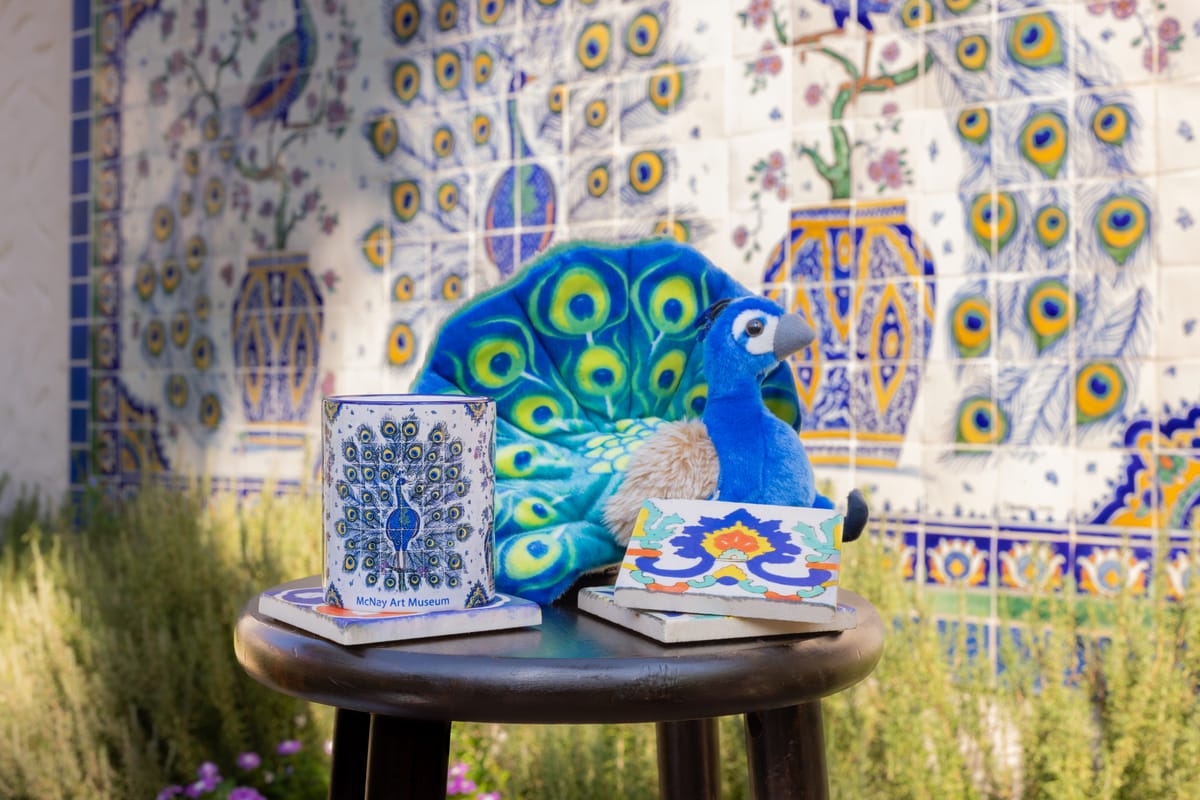
As holiday spending ramps up nationwide, museum leaders say one of the most meaningful ways to support the arts sector is also one of the simplest: buy your gifts at a museum.
From handcrafted jewelry to exhibition-themed merchandise, museum stores now account for a significant share of earned income for institutions large and small—a revenue stream that leaders say is increasingly essential as traditional funding softens and operating expenses grow.
“Shopping at the museum store may not immediately feel like philanthropy, but every purchase directly fuels the museum’s programs,” said Matthew McLendon, director and chief executive of the McNay Art Museum in San Antonio.
“By choosing to shop locally and intentionally, visitors not only take home something meaningful—they actively invest in the museum’s mission to enrich lives through art.”
McLendon said the McNay has expanded partnerships with local artists and makers, a trend echoed by museums nationwide as stores become gateways for highlighting regional artists.
The Sarasota Art Museum has a carefully curated retail boutique, branded SHOP, that executive director Virginia Shearer said accounts for more than 20% of the institution’s annual earned income, noting that a gift membership is another way to make a meaningful impact.
“Our buyer is thoughtfully purchasing with our core customers in mind, with offerings that are aligned to our exhibitions and what’s happening in the art world,” Shearer said. “We depend on our SHOP revenue, as we do with all our earned income, to help fund the ambitious work we do.”
Colleen Higginbotham, deputy director for visitor experience at the Chrysler Museum of Art and president of the Museum Store Association, said gift shops have become both financial engines and essential touchpoints for visitors.
“Museum stores are an important part of the visitor experience. They are a place where visitors feel comfortable, even those visitors who aren’t always immediately comfortable in museums,” Higginbotham said. “Stores allow visitors to take home a work of art, something to inspire creativity, or an object that helps capture the memories of their visit.”
Higginbotham said that something as simple as a magnet or a tea towel can spark conversations about museums or works of art, while a handmade item supports the artist that made it. The Chrysler Museum also offers glass classes in which visitors can take home their own creations.
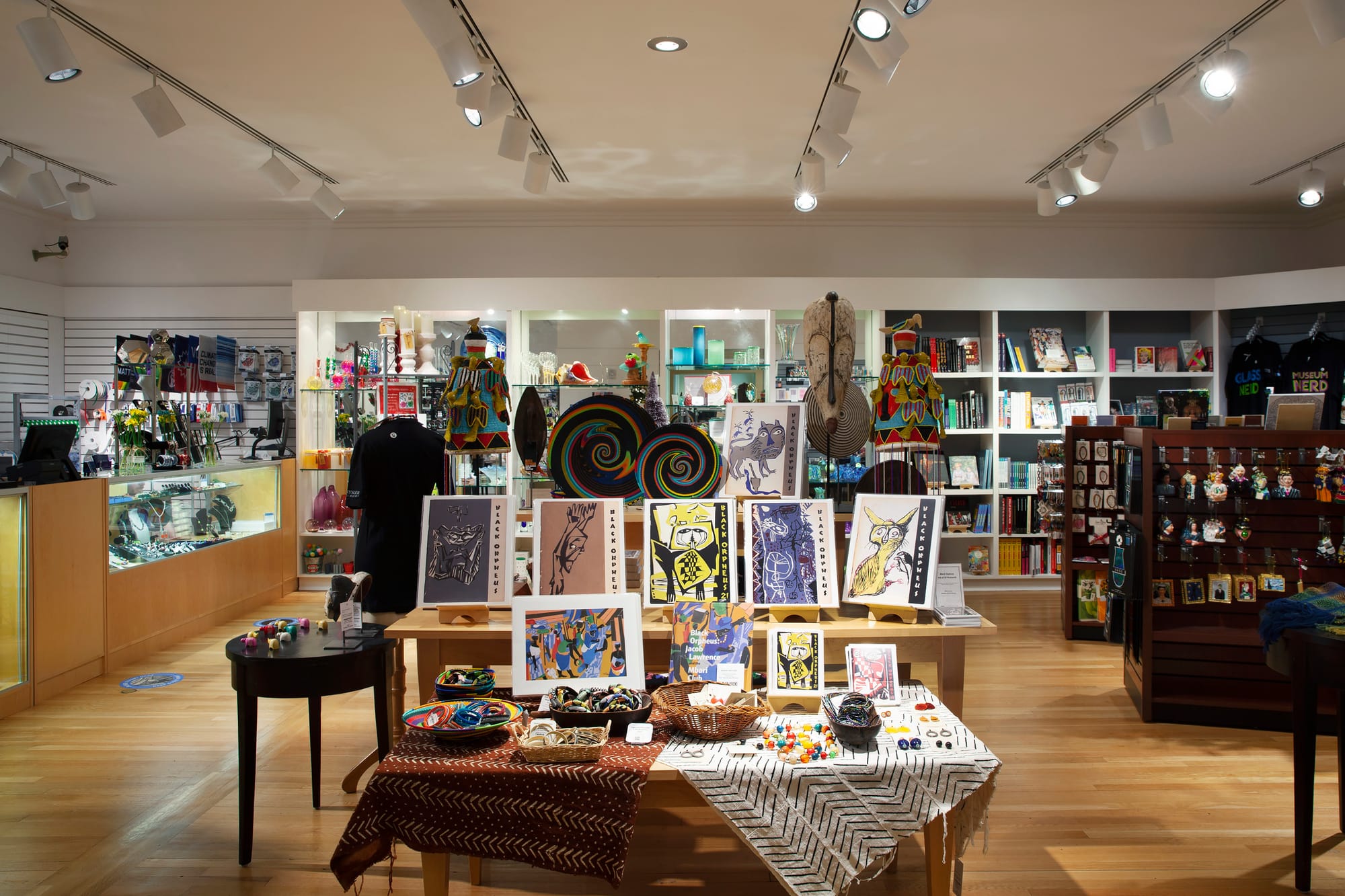
The push comes during a year of tightening budgets for many museums. Earned income, including ticketing, classes, rentals and gift shops, has become increasingly important with changing funding sources and expenses.
“Museums are looking for ways to diversify their revenue,” Higginbotham said. “Increased costs and tariffs have raised prices in museum stores, but there are still a variety of items available for everyone on your holiday list at all price points.”
Lori Braszo, retail director at the Andy Warhol Museum in Pittsburgh, likewise suggested that museum store retail sales this holiday season are critical in helping close funding gaps. She said the store revenue supports public programming, including its Sound Series concerts and teen programs.
“When visitors shop at The Warhol Store, they’re purchasing more than a souvenir,” said Braszo. Exclusive merchandise, such as the museum’s Andy Warhol Films, Inc. apparel line, is produced with local artists and small businesses.
Nationally, museums will mark Museum Store Sunday on November 30, inviting the public to shop in-person or online at museum stores across the United States.
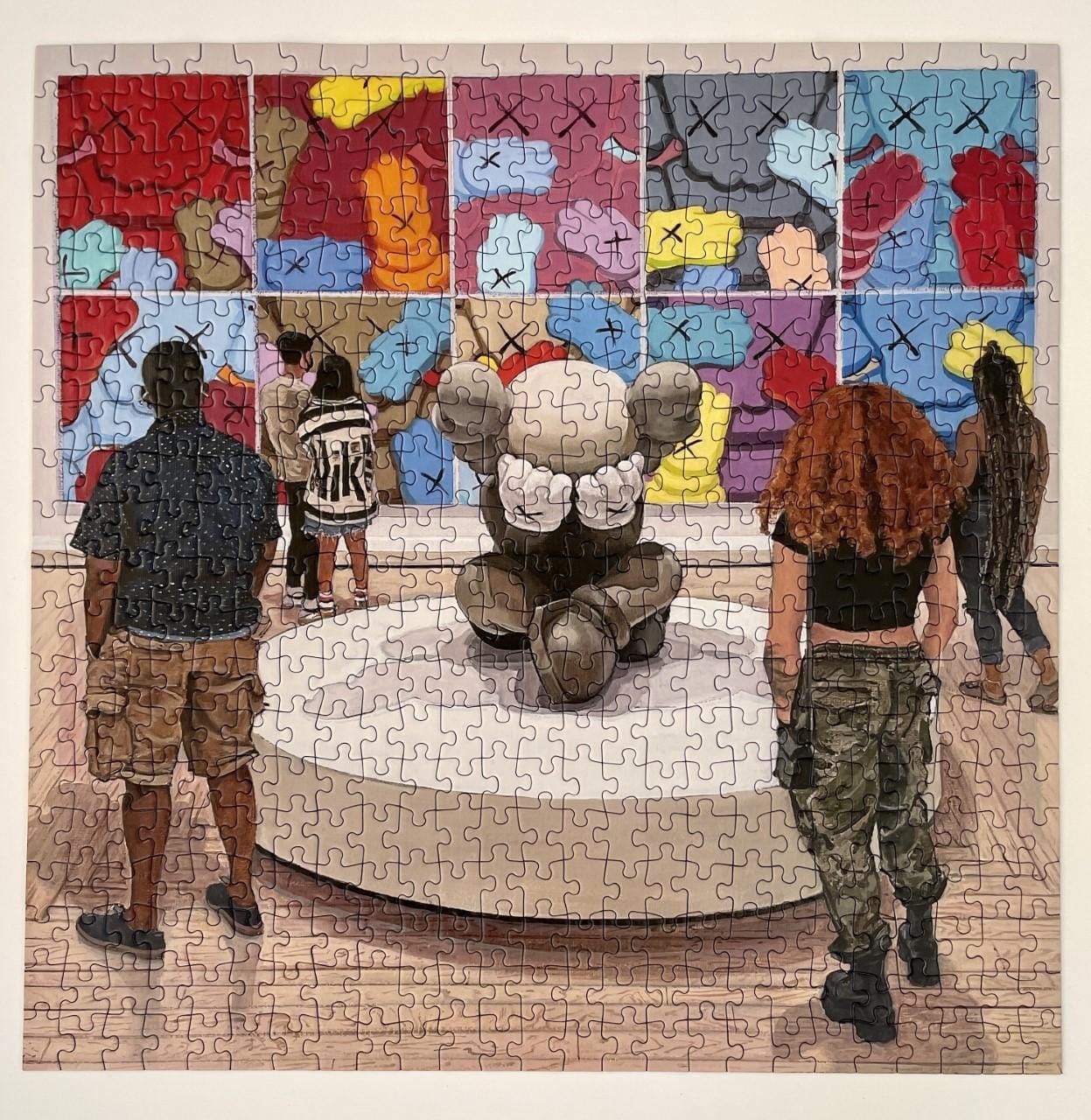
A new report from the American Alliance of Museums shows that museum shops are feeling the same financial strain as the institutions they support. Nearly 20% of museums raised retail prices this year to respond to inflation, higher operating costs and tariffs. Many museums also said they’re having a harder time hiring for store and front-desk jobs, making retail one of the toughest areas to staff.
The report found more museums are turning to local artists and consignment partnerships to keep their shops stocked and appealing, a strategy adopted by about 12 percent of institutions. And while the study doesn’t break out national retail revenue, it notes that income from shops, classes and ticket sales is playing a bigger role as museums lose grants, face rising expenses and try to close growing budget gaps.
While smaller and mid-sized museums rely on their stores to help cover rising costs and strengthen ties with local artists, the country’s biggest institutions operate retail programs on an entirely different scale. Institutions like the Museum of Modern Art, the Metropolitan Museum of Art and the Field Museum run multimillion-dollar merchandising arms that reach far beyond their own buildings.
Financial filings from The Met, which declined requests for comment, show the museum’s retail business rebounding sharply from the COVID-19 pandemic as tourism returned to New York.
In fiscal year 2025, the museum’s retail operations posted $64.9 million in gross revenue, including store sales, catalog offerings and its year-round online shop. Retail remains one of the largest contributors to the Met’s earned income, surpassed only by admissions and fundraising.
The museum’s annual report also notes that its upcoming renovation of the Great Hall will include a redesigned main store and new retail spaces.
The significance of gift stores expands beyond art museums. The Field Museum in Chicago, which also declined to comment, is popular for its dinosaur-themed merchandise.
Meanwhile, MoMA, which did not respond to a request for comment by press time, continues to run one of the most expansive retail operations in the museum world, generating tens of millions of dollars each year through its stores and design shops.
In its most recent financial statements, MoMA reported $42.7 million in revenue from retail, wholesale and online store sales, making retail one of the museum’s largest sources of earned income. That total includes the Museum Store, the flagship MoMA Design Store in SoHo, the Midtown location and the museum’s online operation, which continues to grow.
Retail sales contributed more revenue than admissions and nearly matched membership income, underscoring the scale of MoMA’s branded merchandise business.
Adding to its heavyweight status, MoMA recently announced a multi-year global licensing partnership with Barbie-maker Mattel, expanding its retail reach through co-branded products rolling out in 2026.
The contrast also highlights how differently retail functions across the museum field. Smaller and mid-sized museums often depend on shop revenue to support core programs and local artist partnerships, while the largest institutions operate retail businesses that can generate tens of millions of dollars a year.
For many museums, urging visitors to “shop local” is as much about sustaining community-based museums as it is about participating in the broader museum-store tradition.
“Revenue from the store is a vital stream of support that helps keep the museum accessible, dynamic, and responsive to the needs of our community,” McLendon said. “Shopping at the McNay Store is a simple, meaningful way to champion the museum’s mission—and the people behind it.”
Stories like this take time, documents and a commitment to public transparency. Please support independent arts journalism by subscribing to Urgent Matter and supporting our work directly.