Multiple museums, cultural sites damaged in Iran amid U.S.-Israel airstrikes
Iranian officials said blast waves from recent airstrikes shattered windows, dislodged tiles and damaged buildings in Isfahan and Khorramabad.

Iranian officials said blast waves from recent airstrikes shattered windows, dislodged tiles and damaged buildings in Isfahan and Khorramabad.
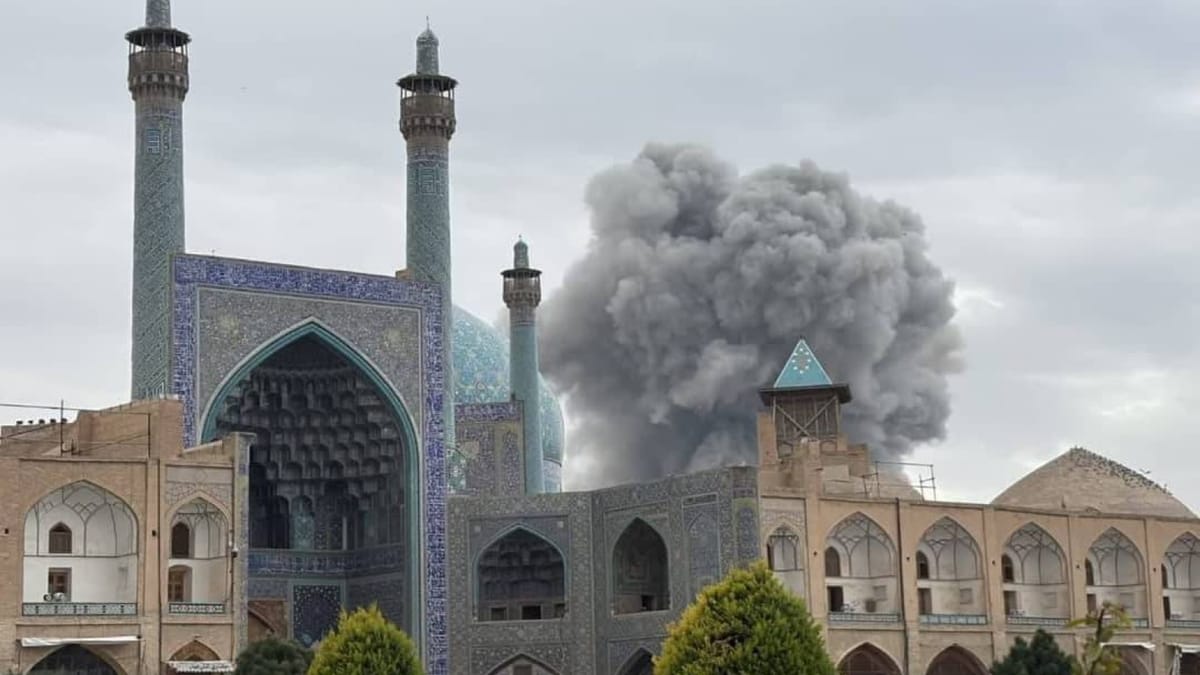
Multiple museums and cultural sites across Iran have been damaged from apparent blast waves amid airstrikes conducted by the United States and Israel, Iranian authorities said Monday.
The sites damaged include the Imam Mosque, which sits on Naqsh-e Jahan Square, and the Chehel Sotoun Palace in Isfahan, Iran’s Ministry of Cultural Heritage, Tourism and Handicrafts said. Chehel Sotoun Palace lies roughly 480 meters west of Naqsh-e Jahan Square within the Safavid royal complex.
Photographs released by the ministry showed damage in Isfahan, including one with a cloud of smoke rising from an airstrike behind the Imam Mosque.
Iranian authorities said that, after an initial review, damage from the blast wave caused tiles to fall from part of the historic mosque. Photos of the damage at Chehel Sotoun Palace showed blown-out windows and other debris from damage to the ceiling and walls.
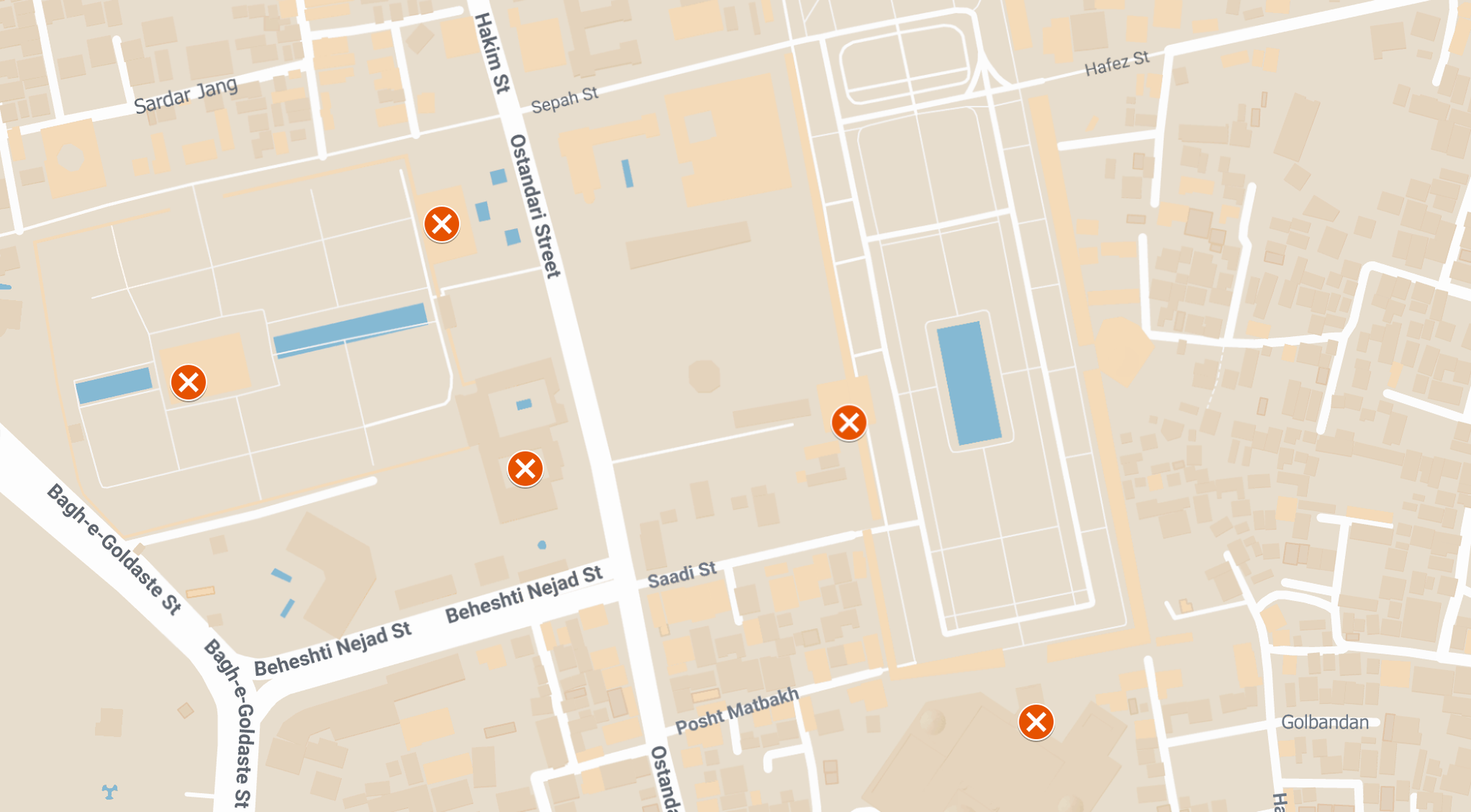
Timurid Hall, housing the Isfahan Museum of Natural History, and Rakib-khaneh, housing the Museum of Decorative Art, were also damaged, officials said. The buildings are located between Naqsh-e Jahan Square and the Chehel Sotoun Palace. The nearby Ali Qapu Palace also suffered blown-out windows.
The Imam Mosque and Ali Qapu Palace form part of the UNESCO-listed Naqsh-e Jahan Square complex.
Isfahan’s Museum of Contemporary Art and Tohid Khaneh Art University are located amid the buildings that suffered damage, according to a review of nearby institutions on Google Maps, but were not listed by authorities as having been affected.
Meanwhile, the Falak-ol-Aflak fortress and prehistoric archaeological sites in the valleys in Khorramabad also suffered damage in an airstrike around 5:30 p.m. local time on Monday, according to Iranian authorities.
“The building of the Lorestan Cultural Heritage Department was destroyed, and parts of the Archaeology Museum and the Ethnology Museum located in the fortress also sustained serious damage,” Iranian authorities said. Other historic buildings were also reported to have been damaged by the blast wave and impact.
Iranian authorities said the site was struck even after officials had installed a flag bearing the international “Blue Shield” symbol for the protection of cultural heritage in wartime on the roof of the complex. In a separate statement, they said the Blue Shield had been installed at cultural heritage sites across Iran to protect them amid the war.
“Despite the severity of the attack, the historic Falak-ol-Aflak Castle remains standing, and assessing the damage and planning for the restoration of the damaged sections is on the agenda for specialists,” officials said.
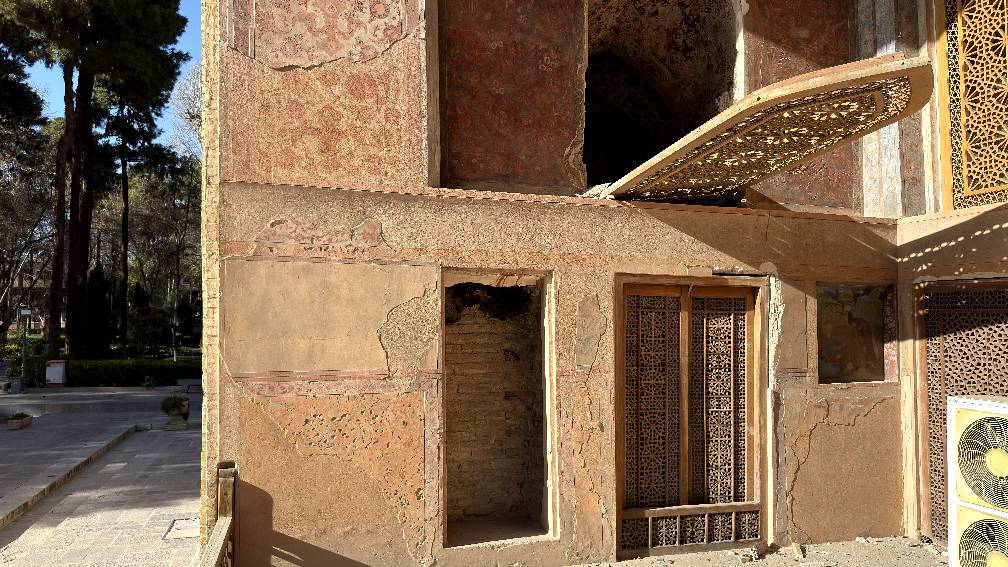
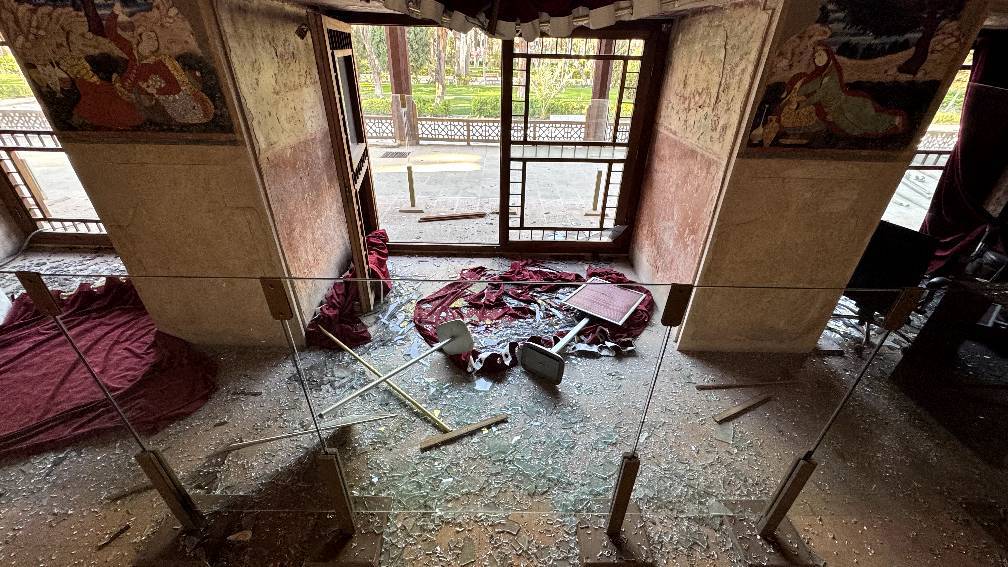
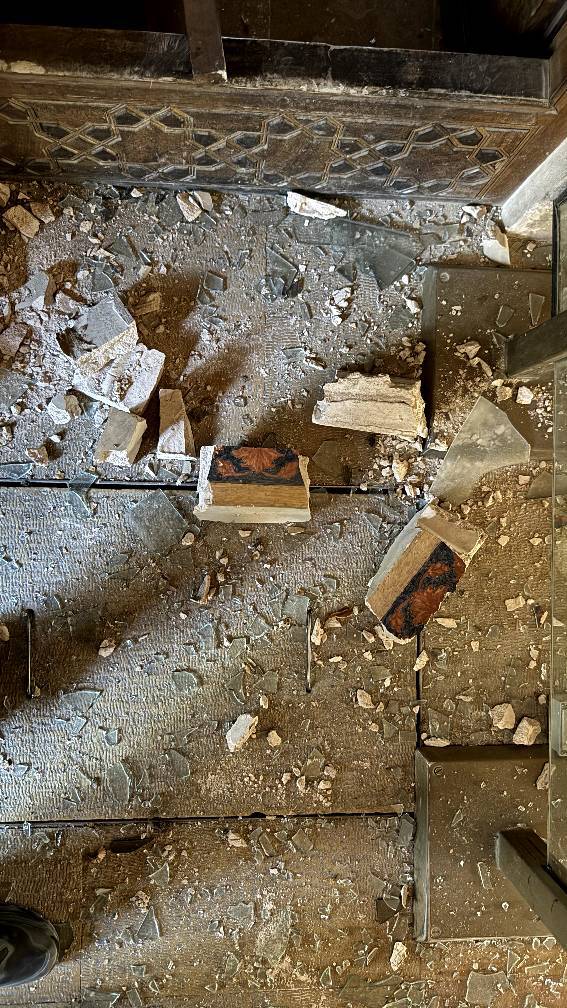
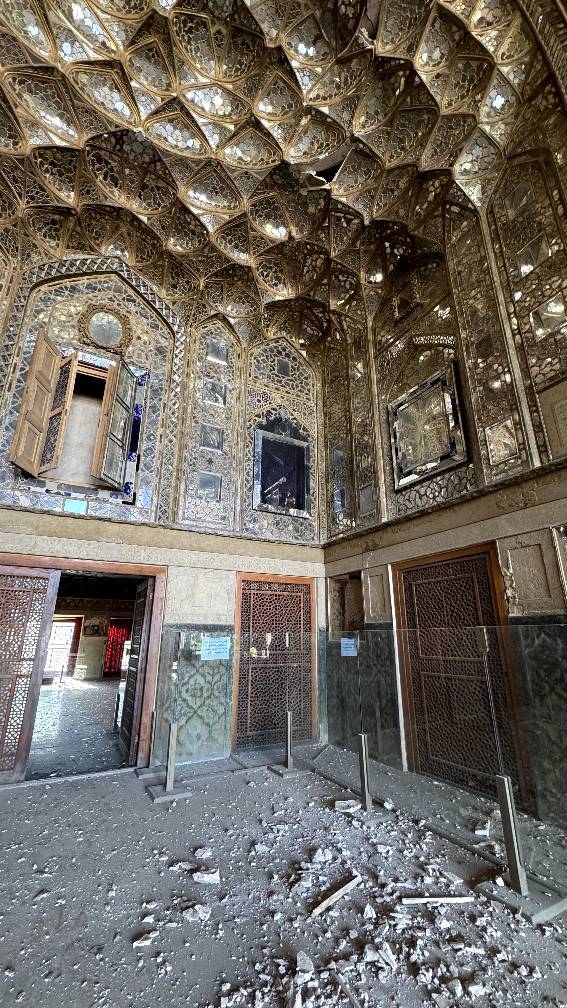
Images show blast-wave damage to cultural sites in Isfahan. Photos courtesy of Iran’s Ministry of Cultural Heritage, Tourism and Handicrafts
Iran’s Culture Ministry said that its UNESCO-listed heritage sites are at risk of continued “damage, threat and destruction” as it accused the United States and Israel of violating the 1972 Convention for the Protection of the World Cultural and Natural Heritage. It called the airstrikes a “flagrant violation of international obligations.”
“The global community must not remain silent in the face of the destruction of Iran's civilizational heritage by the aggressor Zionist regimes and the United States of America,” the ministry said.
The ministry called on UNESCO and other United Nations bodies to “activate the necessary legal and oversight mechanisms” for the protection of cultural heritage and asked for them to dispatch impartial experts, observers and journalists to investigate the extent of the damage.
“Iran's cultural heritage belongs to all Iranians; transcending political, religious, and ethnic boundaries. Protecting this heritage is a defense of Iran's historical identity, collective memory, and the civilizational legacy of Iran and humanity,” the ministry said.
“Today, more than ever, safeguarding Iran's cultural heritage requires national solidarity and the attention of the global community.”
 Adam Schrader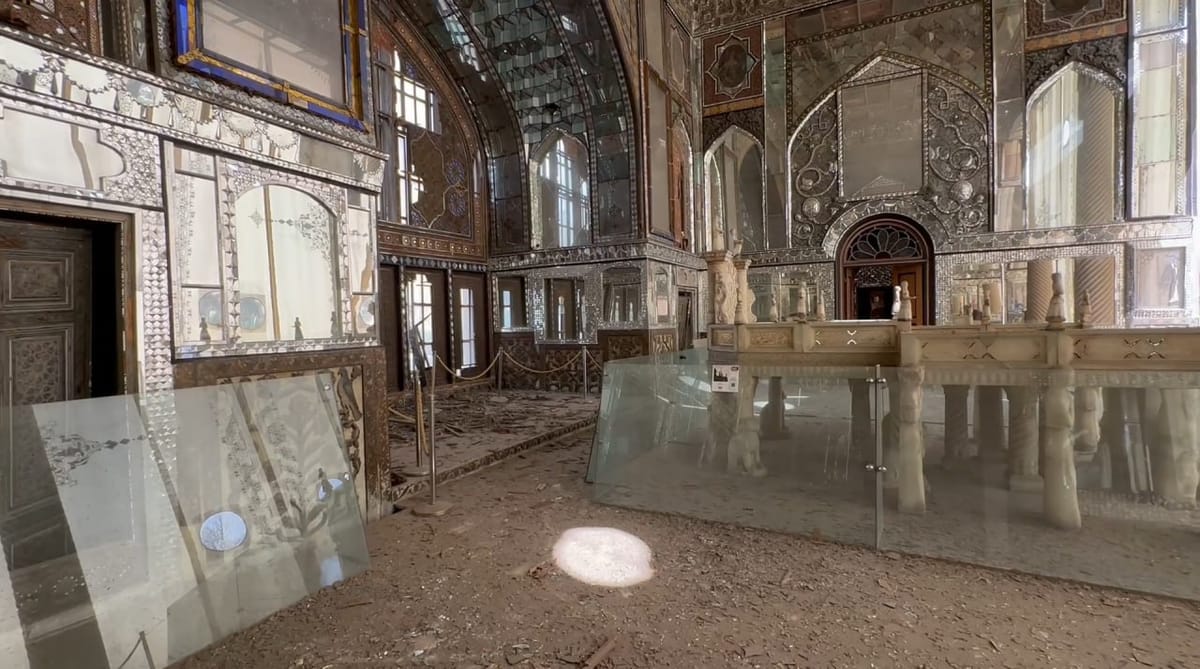
The news came after airstrikes carried out by the United States and Israel last week damaged the Golestan Palace in Tehran. Golestan Palace, a sprawling royal complex that dates largely to the Qajar dynasty of the 1800s, is also a UNESCO World Heritage site.
UNESCO in a statement Sunday expressed “deep concern” over the protection of educational, cultural and media sites amid the escalating war after U.S.-Israeli airstrikes on February 28.
The international body noted that the White City of Tel-Aviv in Israel and Tyre in Lebanon were also impacted and damaged amid the war, both of which are inscribed on the UNESCO World Heritage List.
Several sites in other countries are now under threat, including in Armenia, Azerbaijan, Bahrain, Cyprus, Iraq, Jordan, Kuwait, Oman, Palestine, Qatar, Saudi Arabia, Syria, Türkiye, United Arab Emirates, and Yemen, according to UNESCO.
UNESCO said it “calls for maximum restraint and to take all necessary measures to spare education, culture, media, sciences and the environment as the social foundations of societies.”
Culture Minister Ghassan Salamé released a statement last week denouncing the targeting of the Al-Bass archaeological site in Tyre by Israel.
"There is no military or security presence in the sites and such an argument cannot be used to bomb them or harm them," Salamé said.
Salamé last week also appealed to UNESCO director-general Khaled El-Enany for increased protection for its heritage sites as Israel renewed attacks on Lebanon amid the escalating war.
Stories like this take time, documents and a commitment to public transparency. Please support independent arts journalism by subscribing to Urgent Matter and supporting our work directly.