Mickalene Thomas seeks dismissal of suit brought by ex-fiancée Racquel Chevremont
Emails, texts and agreements show dispute over compensation, role and control of collaborative work.

Emails, texts and agreements show dispute over compensation, role and control of collaborative work.
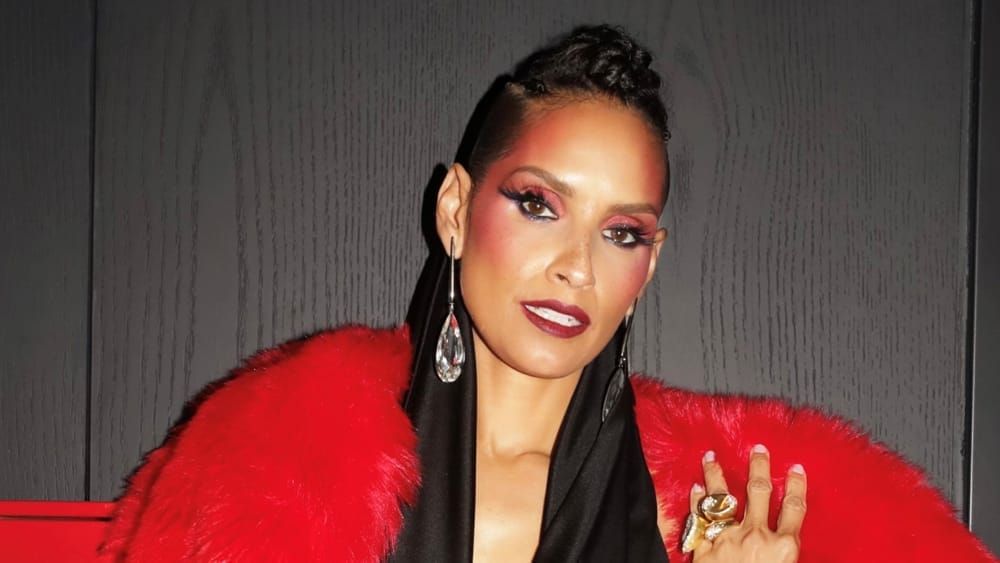
Artist Mickalene Thomas is seeking to dismiss a lawsuit brought by her ex-fiancée, Racquel Chevremont, arguing that claims regarding compensation, workplace conduct and ownership of collaborative work should not proceed.
The dispute centers in part on photographs, paintings and collages featuring Chevremont that were created during the couple’s relationship, as well as works tied to major commissions and sales that helped build Thomas’s studio practice. It highlights the blurred lines that can emerge when personal relationships overlap with creative and business roles in artist-run studios.
The motion comes months after Chevremont, a collector and curator who also starred in Real Housewives of New York, sued Thomas in New York Supreme Court, alleging that she was subjected to an “abusive work environment” while being exploited and used to build the artist’s career.
Paid subscribers can read the full documents.
 Adam Schrader
New filings tied to the dismissal fight offer a closer look at the relationship at the center of the case. They include contracts, emails, and text messages showing a long-running dispute over how Chevremont’s role was defined.
In those filings, Thomas argued that the agreements define Chevremont as an employee, not a partner, and do not support her claims for additional pay from deals she negotiated or a share tied to artworks for which she modeled.
And her lawyers contended that some of Chevremont’s claims go beyond what the agreements lay out and should be dismissed.
Lawyers for Chevremont shot back that the case reflects a consistent pattern of promises, work performed and compensation disputes that should be resolved at trial, not dismissed at an early stage.
At the center of the dispute is a 2021 agreement that sets out how Chevremont would be paid and describes her as an employee. It also said the arrangement gave her no ownership stake and did not guarantee an ongoing role.
But communications included in the filings suggest that both sides understood the relationship differently in practice.
In a May 2022 email, Thomas criticized Chevremont’s role in the studio, writing that “the oversight and responsibility of a partner does not match compensation” and questioning her role in day-to-day operations.
Chevremont pushed back, rejecting the idea that she was an employee subject to fixed hours.
“I am performing all of the duties assigned to me as a phantom shareholder,” she wrote. “Nowhere in our agreement does it state that I need to provide hours or set days at the studio as an employee would.”
She framed the disagreement directly: “I believe the issue here is you need to decide if I am a partner and therefore afforded the same latitude that you are, or an employee, the latter of which I never signed up to be.”
Thomas responded that even a “phantom” partner carried responsibility for the studio’s operations, writing that “all partners, phantom or real, need to seriously take on the responsibility of the day-to-day operations.”
“The consideration in which you decide your role is a mystery. The agreement comes with the understanding that you were working full-time, considering your salary,” Thomas wrote. “Neither have we discussed you coming and going as your choosing. This is not a part-time partnership.”
Adam Schrader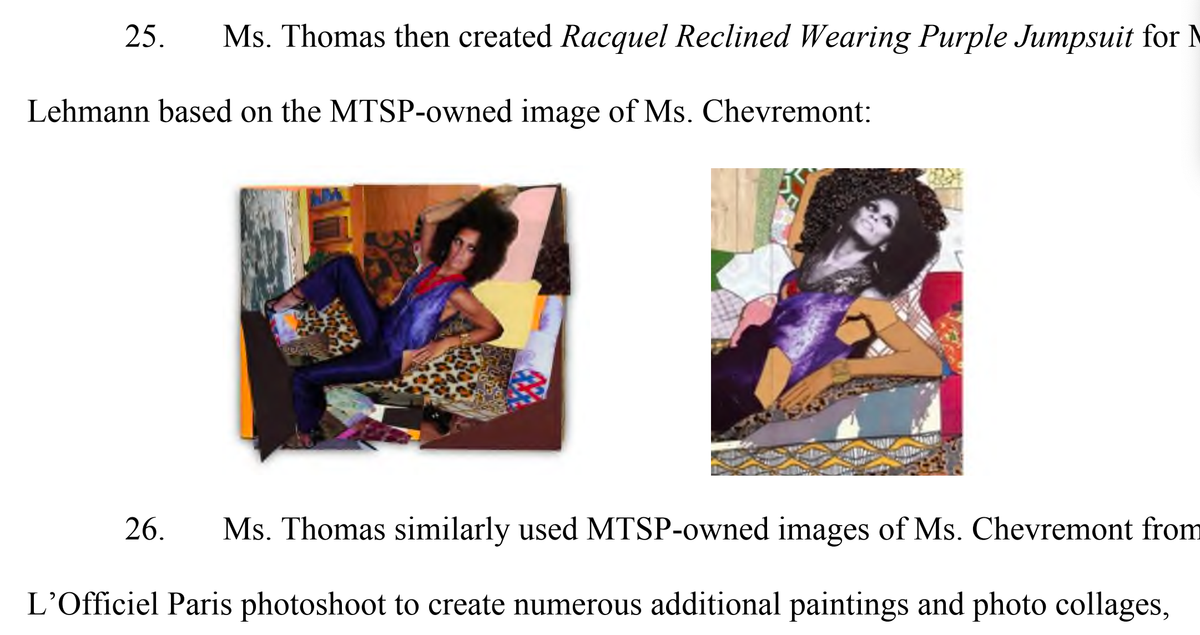
Chevremont reiterated in another email that her workdays were not stipulated in their agreement, only the duties, which she said she fulfilled.
“The compensation is not connected to the time and or days I put into the studio, it was set up to also compensate me for the years I've put into the studio activities without compensation,” she said.
The email exchanges continued with Thomas eventually writing, “Keep writing your narrative. Let's get this over and settle in COURT! I AM NOT AFRAID OF YOU!!! “
Other messages included in the filings reflect a more personal dimension to the working relationship, which overlapped with their romantic partnership.
“It seems as though we are moving toward not ever being a couple, so we should work toward doing that,” Thomas wrote in a September 2021 text message.
“I appreciate you still supporting me after I’ve been so messy. Thanks for coming today, I know none of these deals would happen without your expertise and care for me.”
“I regret that I humiliated and embarrassed you.”
Chevremont points to those communications to support her claim that her work was central to the studio’s operations, even as her role remained formally defined as employment.
The filings also revisit a dispute over control of Chevremont’s image in Thomas’s work.
Lawyers for Thomas have pointed to a model release that would grant her broad rights to use photographs of Chevremont to create and sell artworks “in any and all media now or hereafter known” and “without additional payment.”
Chevremont disputed that she ever agreed to those terms. In a sworn statement, she said she does not recognize the document and does not recall signing it, calling its appearance in the case “entirely inconsistent with the historical record.”
She instead pointed to earlier negotiations in 2015 that she said led to a different structure for their collaboration, including discussions about how rights to their work would be shared. Emails from that period show the women coordinating calls to negotiate a model release.
The lawsuit, which seeks more than $10 million in damages, includes claims for breach of contract, sexual harassment and retaliation.
With Thomas filing for dismissal and Chevremont’s answer to that, the motion to dismiss is now fully briefed and the court will decide whether the case can proceed.
Follow along with other lawsuits at Urgent Matter's art lawsuit tracker.
