Libya signals crackdown on sale, melting of traditional silver heritage items
Silver prices climbed to an all-time high of $120.46 an ounce on Thursday.

Silver prices climbed to an all-time high of $120.46 an ounce on Thursday.
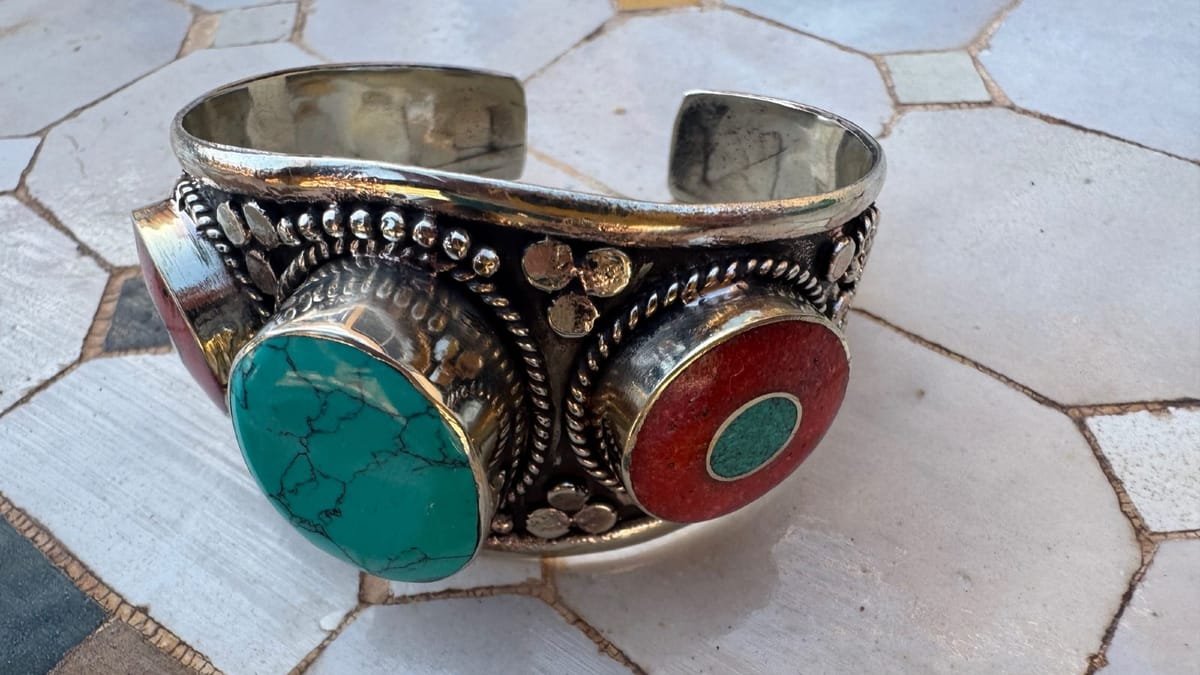
Libya’s Culture Ministry has warned citizens that the sale and melting of traditional silver jewelry and other heritage objects could soon face legal consequences, invoking the country’s recent accession to UNESCO’s 2003 Convention for the Safeguarding of the Intangible Cultural Heritage.
Libya acceded to the UNESCO convention in November 2023. While the convention focuses on safeguarding intangible heritage such as traditional practices and crafts, governments have cited it in support of domestic laws and administrative measures intended to curb unregulated trade and prevent the loss or destruction of cultural items.
“Under this commitment, the ministry will work in coordination with the relevant authorities to implement all necessary legislation to protect our heritage from unregulated trafficking and to hold accountable anyone who contributes to its destruction,” Libya’s Culture Ministry said in a statement Wednesday.
While the convention centers on living cultural practices, it also recognizes the role of associated objects. The ministry did not reference a separate 1970 UNESCO convention governing the illicit import and export of cultural property.
In its statement, Libya’s Culture Ministry expressed “great concern” over what it called a growing phenomenon of people selling various popular heritage items, especially those made of silver. Officials said such items “form an integral part” of Libya’s national identity.
“This cultural heritage, passed down through generations, is not merely a material commodity, but a living record of our nation's history and civilization and a testament to the creativity and skills of our ancestors,” the Culture Ministry said.
“The squandering of these treasures through their sale or melting down is an irreparable erasure of our national memory and identity and a grave loss for future generations.”
The ministry called on dealers and shopkeepers to help protect such items and not contribute to their loss. “Preserving our heritage is preserving the future of our identity,” it said.
International silver prices entered an unusually volatile stretch in recent months, posting sharp daily swings and rapid gains that have pushed the metal to record highs. Market analysts have said that trading conditions have broken from historical patterns as prices surge faster than supply can respond.
Silver rose about 65% in January alone, climbing from roughly $31.60 at the start of the year to an all-time high of $120.46 an ounce on Thursday. The metal is up more than 270% from a year earlier, according to market data.
The rise of silver prices has already posed a threat to museums internationally. Just last Wednesday, two men stole the entire collection of antique silver from the Doesburg Silver Museum in The Netherlands.
 Adam Schrader
The move also comes amid heightened competition over UNESCO heritage recognition in the Maghreb and Middle East.
Late last month, Algeria announced it has created a national committee to oversee its intangible cultural heritage files, formalizing state control over cultural nominations that now serve as preservation efforts and tools of soft power in international diplomacy.
In recent weeks, the United Arab Emirates publicly promoted its expanding portfolio of UNESCO-recognized intangible cultural heritage elements, casting them as evidence of a long-term cultural strategy and international engagement.
And officials and state-aligned media in Iran expressed frustration over what they described as lags in processing heritage files ahead of the latest UNESCO meeting, citing administrative bottlenecks and prolonged review timelines.
Stories like this take time, documents and a commitment to public transparency. Please support independent arts journalism by subscribing to Urgent Matter and supporting our work directly.