Libya explores joining UNESCO cultural diversity convention
The move would deepen Libya’s engagement with international cultural governance as the country remains politically divided.

The move would deepen Libya’s engagement with international cultural governance as the country remains politically divided.
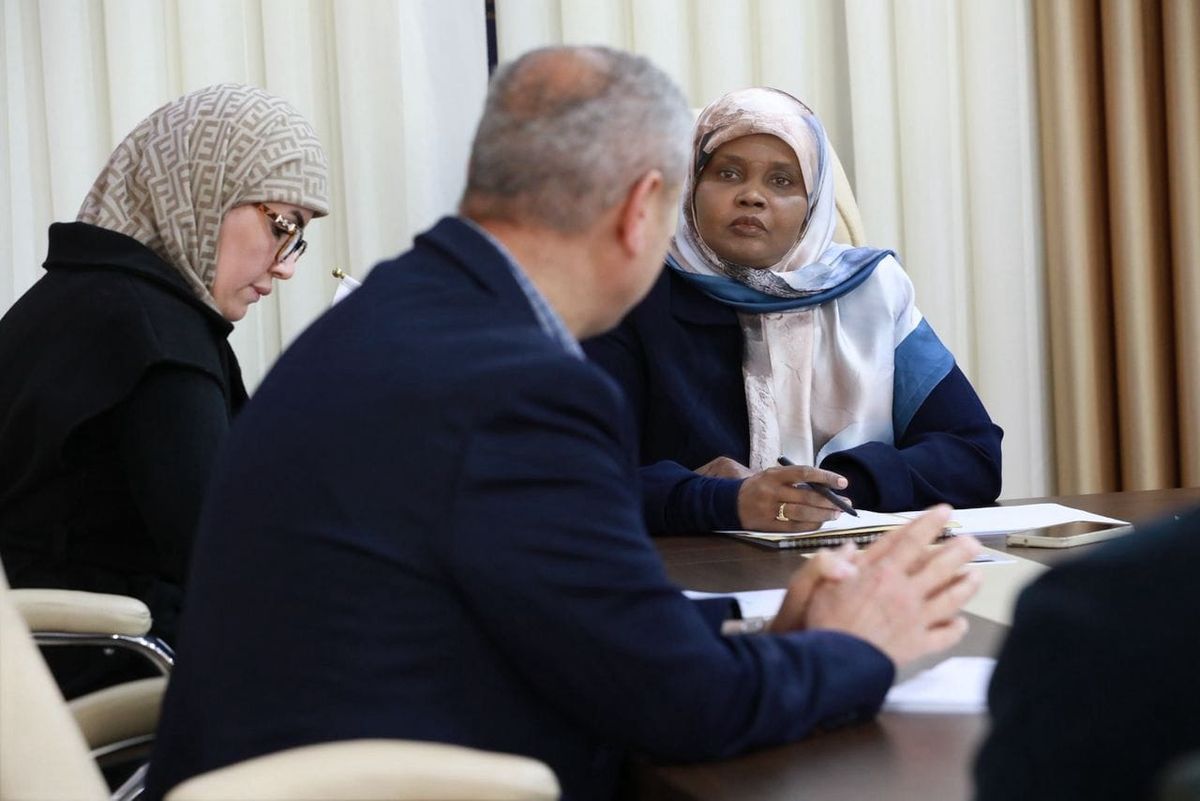
Libya is studying the legal and administrative steps required to join UNESCO’s cultural diversity treaty, a significant step in the country’s recent efforts to align cultural policy with international frameworks.
Minister Mabrouka Tougi, who serves in the U.N.-recognized Government of National Unity led by Prime Minister Abdul Hamid Dbeibeh, held a meeting Tuesday to study Libya's accession to the 2005 UNESCO Convention on the Protection and Promotion of the Diversity of Cultural Expressions.
Libya is not currently a party to the convention. Most countries in North Africa and the Middle East — including Algeria, Egypt, Morocco, Tunisia, the United Arab Emirates, Qatar and Jordan — have already joined. The announcement did not provide a timeline for when a decision might be finalized.
Often described as the “Magna Carta” of cultural policy, the 2005 convention differs from UNESCO treaties that focus on protecting archaeological sites or ancient monuments.
 Adam Schrader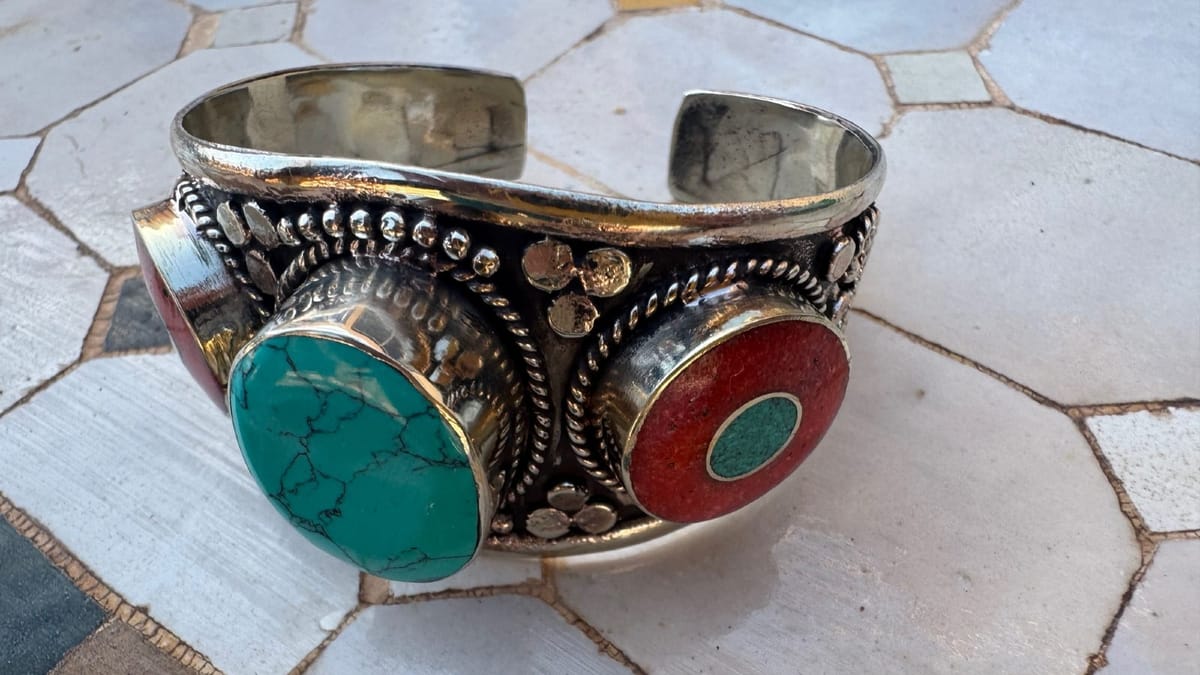
Instead, the convention gives governments room to fund and regulate their own cultural sectors, and allows member states to apply for UNESCO-backed grants to support the development of arts and culture initiatives at home.
Libya has been politically divided since 2014, when disputed elections and armed conflict following the 2011 uprising that toppled Muammar Gaddafi led to rival administrations emerging in the east and west.
The country’s cultural governance remains shaped by the political division. While the GNU holds the authority to sign treaties, a rival administration operates in eastern Libya. That eastern government, now led by Acting Prime Minister Osama Hammad, maintains its own ministries and oversees heritage sites and cultural programming in areas under its control.
For international agreements such as UNESCO conventions, recognition flows through Tripoli. But implementation on the ground, particularly at major archaeological sites and cultural institutions in eastern Libya, requires some level of coordination across the political divide—which adds a layer of complexity to Libya’s international cultural efforts.
And the move would come after Libya in November 2023 ratified the UNESCO Convention for the Safeguarding of the Intangible Cultural Heritage. That treaty entered into force for Libya in February 2024.
The ministry’s statement described accession not simply as a symbolic diplomatic gesture, but as part of a broader development strategy. It said joining the treaty would help integrate culture into the country’s economic path and transform it into “an effective economic actor.”
Tougi in the meeting said that joining the convention “is no longer an option but an urgent necessity” to enhance the Libyan cultural scene and preserve cultural heritage.
“Her Excellency directed the committee to intensify its efforts to carefully review the terms of the convention and record all observations to ensure its full compatibility with Libyan identity and authentic Islamic values,” the ministry said, “so that accession is a well-considered step that serves Libya's higher cultural interests.”
Last month, Libya’s Culture Ministry warned citizens that the sale and melting of traditional silver jewelry and other heritage objects could soon face legal consequences, invoking the country’s recent accession to UNESCO’s intangible cultural heritage convention.
Stories like this take time, documents and a commitment to public transparency. Please support independent arts journalism by subscribing to Urgent Matter and supporting our work directly.