Georgian gallery Bukia Vakhania opens Berlin space
The move reflects a rebrand by the gallery’s founders and a push for deeper institutional relationships in Europe.

The move reflects a rebrand by the gallery’s founders and a push for deeper institutional relationships in Europe.
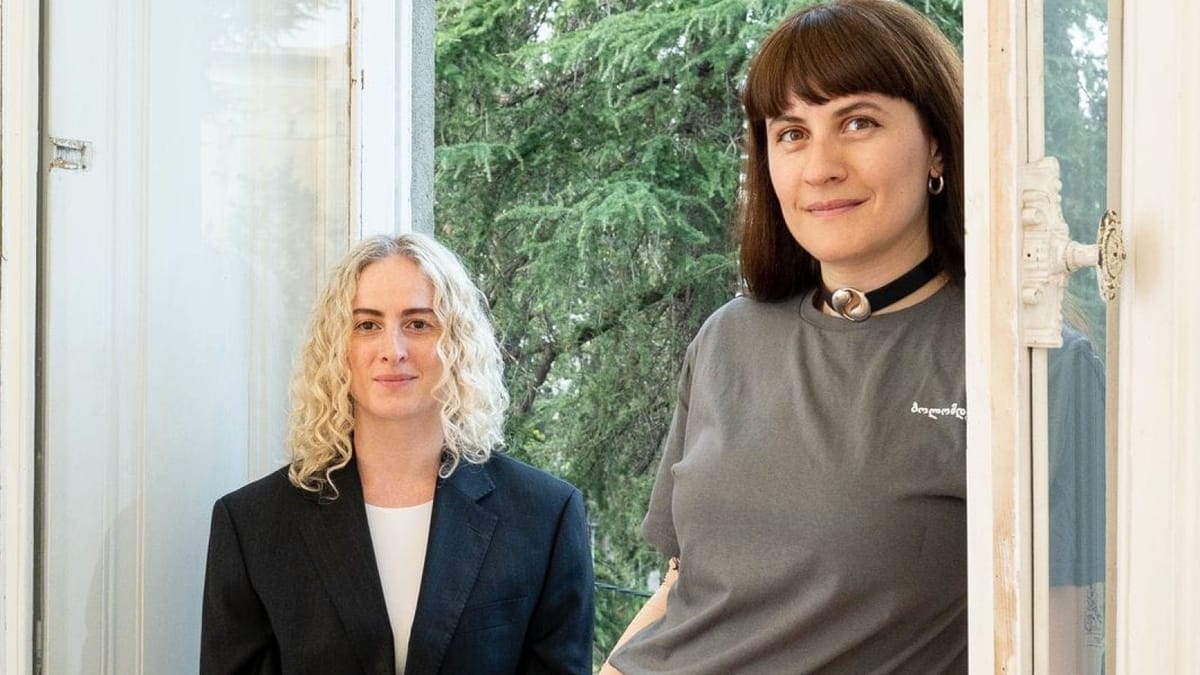
Georgian gallery Bukia Vakhania, formerly Gallery Artbeat, will open its first permanent international space in Berlin this month, building on its roots in Tbilisi and establishing a year-round presence in one of Europe’s busiest contemporary art cities.
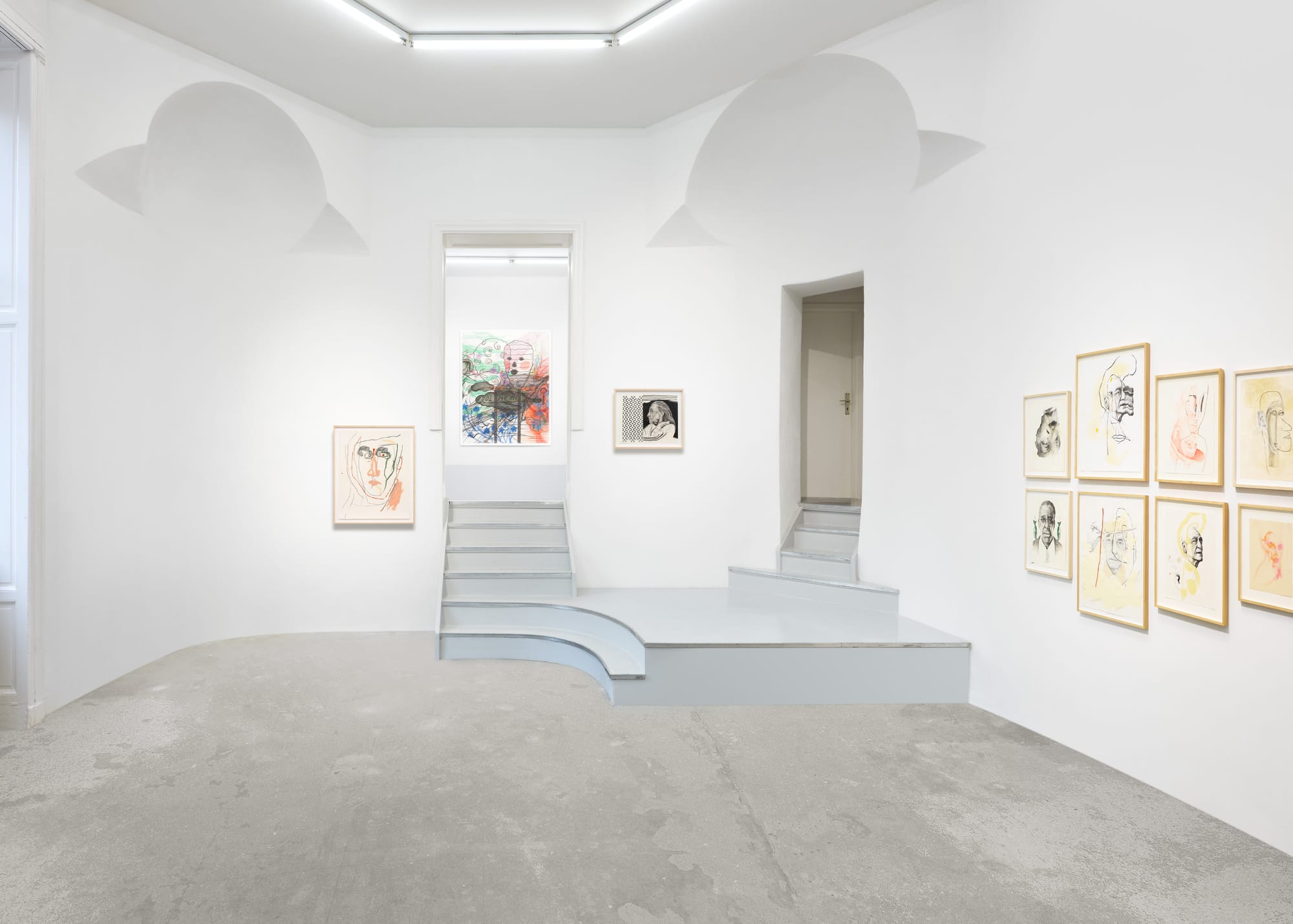
The new location opens January 15 in Berlin-Mitte, the city’s central district and a hub for contemporary galleries and museums. The gallery will rent a space at Kurfürstenstraße 156 owned by the Tanya Leighton Gallery, which maintains an office at the location.
“Our relationship to Tbilisi can never change as it is a very big part of who we are personally but also a big part of the gallery’s identity,” co-founders Natia Bukia and Salome Vakhania said in joint written responses to Urgent Matter.
The founders established the gallery to represent overlooked Georgian artists. From the outset, they paired Georgian artists with international peers in group exhibitions in Tbilisi, aiming to situate local practices within a broader context rather than treating them as a regional or national specialty separate from the wider contemporary art field.
They acknowledged that limited resources have constrained how many artists the gallery can represent, but see expansion as a way to broaden that capacity over time.
“We do not see this as a risk, as there are strong examples of galleries that have successfully expanded without overshadowing their local contexts,” they said. “Our Tbilisi space is where everything began and remains just as important—if not more so—today.”
The expansion coincides with the gallery’s rebrand from Gallery Artbeat to Bukia Vakhania, using the surnames of its two co-founders.
Bukia and Vakhania said the name change doesn’t affect their daily operations but reflects a desire to foreground their personal identities as the gallery establishes a presence abroad.
“As we are expanding internationally with our space in Berlin, we wanted to bring more of our identity, and our country’s identity, with us,” they said.
They said they had considered a second space for some time, and that years of participation in major fairs helped build confidence for the move.
“We have participated in major art fairs for years, which gave us the experience and confidence needed to take this next step,” they said. “The right opportunity arose when we felt ready to make this addition.”
Berlin was described as an intentional choice, with Bukia and Vakhania citing the city’s art infrastructure and what they see as a cultural affinity with Tbilisi.
“Both of us share a deep love for the city and its vibrant art scene,” they said. “Berlin also offers unique opportunities for collaboration, dialogue and visibility for the artists we represent.”
Bukia and Vakhania also pointed to the benefit of joining a dense network of galleries and institutions in Berlin-Mitte, adding that the availability of the space aligned with their search.
While the gallery has built an international profile through fairs and collaborations, including recent participation at Frieze London and Art Basel, Bukia and Vakhania said a permanent space will deepen relationships that are hard to develop without proximity.
“Building meaningful relationships with curators and institutions has proven a challenge as these types of relationships require not only time but proximity and an opportunity for frequent sharing,” they said. “We hope that with a permanent space in Berlin, we can also bridge this gap for us, but especially for the great artists we represent.”
Gallery Artbeat began as a nomadic project space that travelled across Georgia in a shipping container before establishing a permanent Tbilisi home in 2017. Bukia and Vakhania called the Berlin gallery an “extension of that idea.”
“Nothing has changed in our approach,” they said. “Now we have dedicated spaces in Tbilisi and Berlin instead of a moving container, but the spirit of experimentation, mobility, and collaboration remains the same.”
Bukia and Vakhania pushed back on the idea that Georgian contemporary art needs to justify itself within Berlin’s competitive market by “offering” something distinct.
“We wouldn’t necessarily frame this as Georgian contemporary art having to offer something,” they said. “It is what each artist has to offer and show.”
They expect the gallery’s program to stand out because of the “individuality and uniqueness” of its artists, especially when their work is shown internationally.
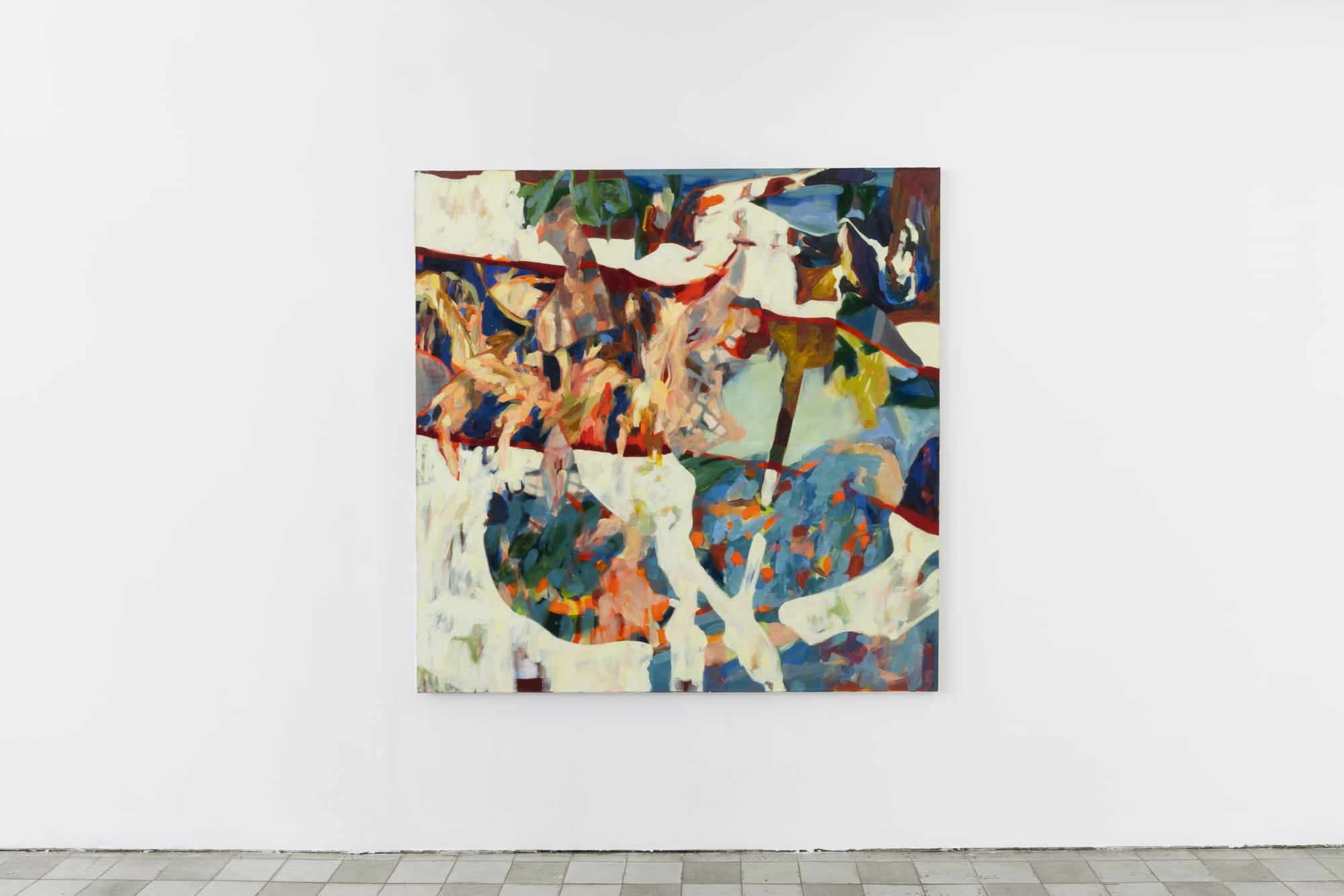
The Berlin program will open with a solo exhibition by Georgian artist Nina Kintsurashvili that runs through March 7.
“We’re interested in artist-led work that’s driven by ideas, not trends,” Bukia and Vakhania said, describing Kintsurashvili as the “perfect choice” to inaugurate the Berlin space because her work reflects the gallery’s core mission of supporting Georgian artists whose practices engage with local contexts internationally.
Kintsurashvili’s paintings draw from archaeological sites, Byzantine and Western art history and archived Soviet-era archaeological materials. The gallery says she reworks these sources through deconstruction and abstraction, so the paintings become “both original and resonant with traces of their origins.”
“Moving to Berlin isn’t about leaving Tbilisi behind. It’s about opening that conversation to a wider audience,” they said. “Kintsurashvili’s work shows how Georgian artists can be part of international dialogue while staying true to where they come from.”
Correction made at 9:20 a.m. on January 16, 2026: An earlier version of this article said Bukia Vakhania would occupy a space which formerly housed the Tanya Leighton Gallery. Bukia Vakhania is renting a space owned by the Tanya Leighton Gallery, which maintains an office at the location.