FBI received unverified tips involving Les Wexner, Epstein
Newly released FBI files show agents moved to subpoena Les Wexner in 2019 and recorded a series of unverified tips linked to Jeffrey Epstein.

Newly released FBI files show agents moved to subpoena Les Wexner in 2019 and recorded a series of unverified tips linked to Jeffrey Epstein.
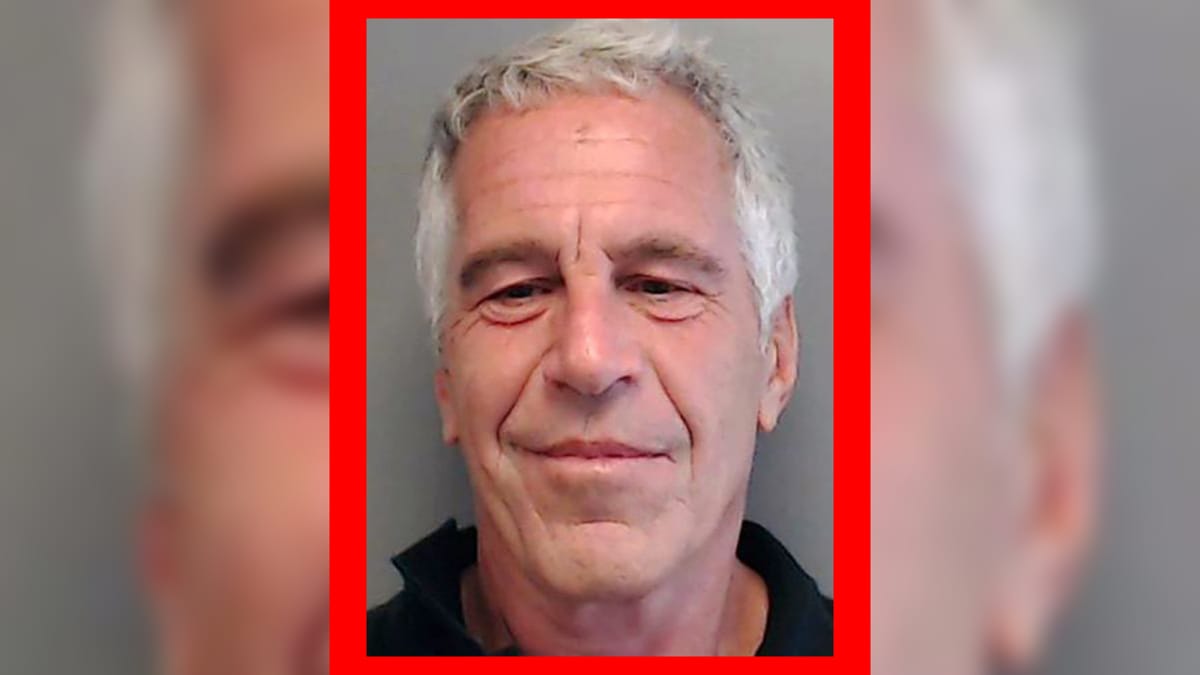
The FBI received unverified tips naming billionaire art collector Les Wexner, founder of Victoria’s Secret parent company L Brands, amid investigations into convicted sex offender Jeffrey Epstein, new documents show.
The latest documents released by the U.S. Justice Department on Friday confirm that federal authorities tried to contact Wexner for a subpoena in July 2019 in relation to Epstein, around the time of Epstein’s arrest at Teterboro Airport in New Jersey.
A lawyer for Wexner indicated at the time that his office had been attempting to obtain a criminal defense attorney in New York for Wexner, who was planning to submit to an interview with FBI agents. The drafting agent was told subpoena service was no longer required because Wexner’s lawyer was coordinating the interview.
As Urgent Matter reported from previous documents released, FBI records included a March 2019, email requesting photographs of people connected to Epstein. In it, agents listed “Leslie Wexner, (Ohio),” alongside Epstein and Ghislaine Maxwell. Other names included in the list were redacted. It was not immediately clear why Wexner wasn’t.
 Adam Schrader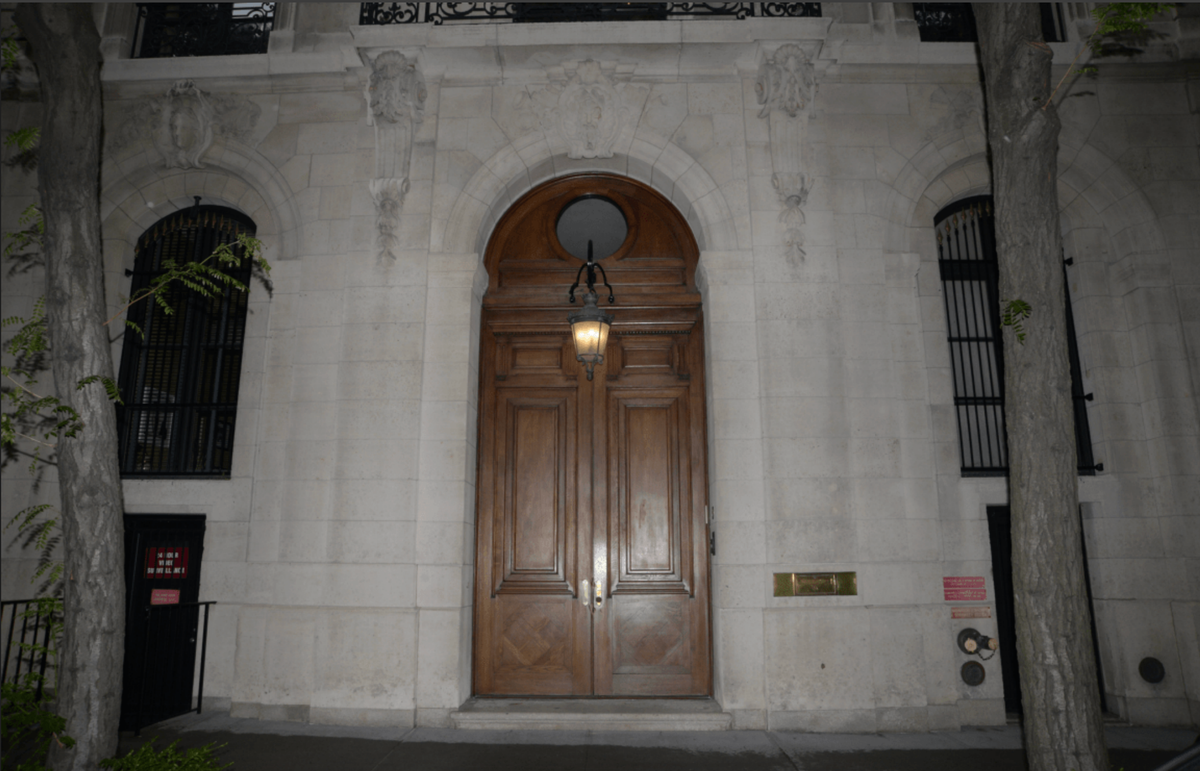
That document did not describe the reason for the photo request and does not characterize Wexner as a suspect but indicated he was on law enforcement’s radar before Epstein’s arrest.
Among other documents involving Wexner in the latest release is a July 2020 intake form in which a tipster alleged Wexner had potentially underaged models do “private viewings” for him and Epstein.
“She said the models would be wearing swimsuits, and some were in lingerie,” the FBI intake form for the tip reads. The released intake form does not show a disposition or investigative outcome.
The tipster, whose name was redacted, told the FBI that she would help with getting people to work at parties at Wexner's compound in catering and other positions, and that certain parts of the house were off-limits without an approved escort.
The FBI document containing the tip was released Friday as part of the latest document dump to comply with the Epstein Files Transparency Act, passed by Congress last year and requiring the U.S. Justice Department to release all unclassified records and investigative materials related to the sex trafficking case of Epstein and Maxwell.
 Adam Schrader
Richard Adrian, a bodyguard for Wexner, submitted a tip to the FBI in 2019 and said “Wexner was best friends with Epstein.”
“Adrian stated he had been to Epstein's Palm Beach home and noted that there were young girls there, but assumed they were family,” the FBI intake form for that tip reads. “Adrian was told by another bodyguard to keep to yourself and not ask questions.”
And the release included a handwritten note on a Justice Department-branded legal pad detailing a conversation between the writer and a lawyer for Wexner. In it, Wexner’s attorney said he was "very advanced in age." The writer of the note said they would seek to find out of Wexner was ever in Epstein’s home.
And the FBI received an emailed tip sent by a man named Erez Zadok in August 2019, shortly after Epstein’s death. In it, Zadok said the Wexner Foundation had appointed Epstein as a trustee and that Epstein gave the foundation about $9 million.
A copy of the email from Zadok appeared in later documents in the release. It stated that the Wexner Foundation transferred at least $2.3 million to Israeli former Prime Minister Ehud Barak and that Epstein allegedly signed some of these transfer documents.
“Mr. Epstein new Mr. Barak in person, while he hold his contact details in the phone book that was caught by the FBI, and Mr. Barak has been seen visiting Mr. Epstein's apartment in NYC,” Zadok wrote.
“The amounts transferred to Mr. Barak were described as 'research', but Mr. Barak and the Wexner Foundation refuse to reveal the research issue or any other details. It doesn't make sense for a small charity fund such as the Wexner Foundation, to pay a relatively huge amount of money, for an unknown research.”
Zadok expressed concern that the “unusual” payment to Barak constituted a “forbidden political contribution” because it was made while he was running for the Israeli Parliament during that period. He also suggested suspicions of money laundering by Epstein using the Wexner Foundation to wire money to Barak. Another document shows the tip was closed by the FBI as “information only.”
The release also includes a document that appears to have been written by lawyer Alan Dershowitz. Epstein accuser Virginia Giuffre previously said under oath that Epstein directed her to have sex with Dershowitz when she was underage, a claim she repeated in media interviews and court filings. Dershowitz consistently denied it and later settled a defamation suit with Giuffre in 2022, with both sides withdrawing claims.
In the undated document, Dershowitz wrote that Wexner had been reached out to by people whose names were redacted and that the art collector was told he was accused of having sex with “her” – a woman whose name was also redacted – on multiple occasions.
 Adam Schrader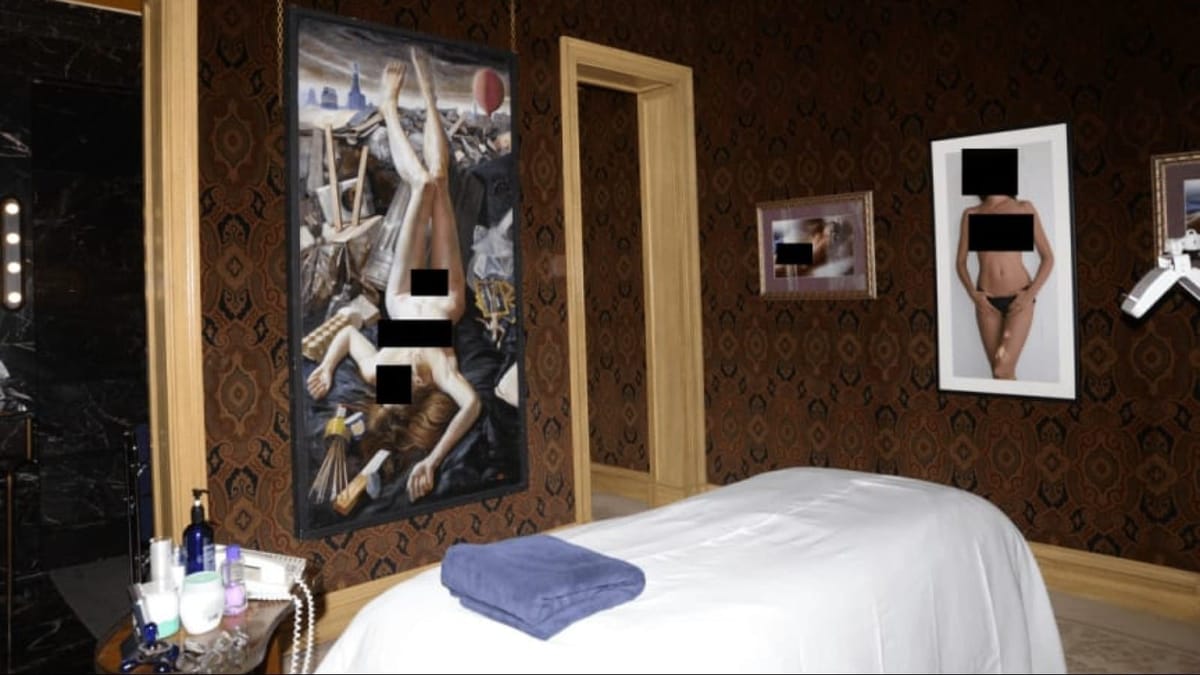
A lawyer for Wexner allegedly told Dershowitz that he had told a person, whose name was redacted, that the accusation was not true and ”that in any event, any possible suit would be barred by the statute of limitations.” Wexner’s lawyer asked Dershowitz if he knew of any way around the statute of limitations.
In an affidavit from Dershowitz alleging a potential extortion conspiracy, he revealed that a person identified as “Ms. McCawley” alleged that Wexner made a person, whose name was redacted, dress up "in baby doll lingerie of the type made by Victoria's Secret.”
The release also includes an email Epstein appears to have sent himself containing a string of keywords as a personal note. The subject of the email is titled “Wexner.”
In a fragmented email he sent to himself in June 2014, Jeffrey Epstein laid out a private, defensive account of his relationships, finances, and legal exposure—repeatedly invoking billionaire retail magnate Les Wexner and insisting on his own loyalty and restraint.
Written as a stream of keywords rather than sentences, the note reads like a checklist prepared under pressure. Epstein claims he “never ever did anything without informing Les,” and vows he would “never put Les in harm’s way” or “give him up.” The phrasing does not describe events so much as assert obedience, framing Epstein as subordinate rather than autonomous.
Scattered through the document are references to financial strain and scrutiny—“taxes,” “bankrupt,” a “sale of trust,” and what appear to be derivatives or options—alongside place names tied to Wexner’s orbit, including New Albany, Ohio, and Aspen, Colorado.
The note also listed a series of names and fragments — “questionable as to unrelated third party,” “security,” “followed,” “everyday 24 hrs a day” — that read as a map of perceived risk. Epstein casts himself as watched and vulnerable, emphasizing fear and surveillance rather than control.
Ghislaine Maxwell appears in a separate section, grouped with references to family, shared residences, money, and having “stood by.” As with Wexner, Epstein assigns no actions to her, placing her instead among a small circle of loyalty and support.
The clearest marker of timing comes at the end, where Epstein references Dershowitz and plea negotiations, noting advice to “don’t take deal,” a probation term of “5 years with 3 early term,” and a blunt line — “30k per day” — suggesting the cost of legal or crisis management.
Wexner has publicly offered a sharply different account of their relationship, stating that he severed ties with Epstein after learning that he had “misappropriated vast sums of money” from him and his family over many years.
In another email note to himself from 2015, Epstein wrote, “34 girls Wexner.” The meaning of the note was not immediately clear.
The release also included internal documents from the Interlochen Center for the Arts, which showed a substantial $185,000 donation from the Wexner Foundation and Epstein.
In December, Interlochen released a statement acknowledging that Epstein attended Interlochen in the summer of 1967, and he was a donor to Interlochen Center for the Arts from 1990 to 2003.
“When Interlochen administrators learned of Epstein’s conviction in 2008, Interlochen conducted an internal review and found no record of complaint or concern about Epstein. All donor recognition in his name was removed from campus at that time,” the organization said. “Subsequent to Epstein’s second arrest in July 2019, we again reviewed our records and found no report or complaint involving Epstein within our records.”
The documents also include a deposition from a 2009 lawsuit against Epstein in which Larry Eugene Morrison, a former pilot for Wexner, was questioned about his ties to Epstein, including whether they had sexual relations with each other. Morrison was asked extensive questions about planes owned by Wexner, Epstein and Donald Trump.
The pilot said Epstein was known to have flown on Wexner’s plane, but he did not see any sex or sex-related incidents on it.
Stories like this take time, documents and a commitment to public transparency. Please support independent arts journalism by subscribing to Urgent Matter and supporting our work directly.“