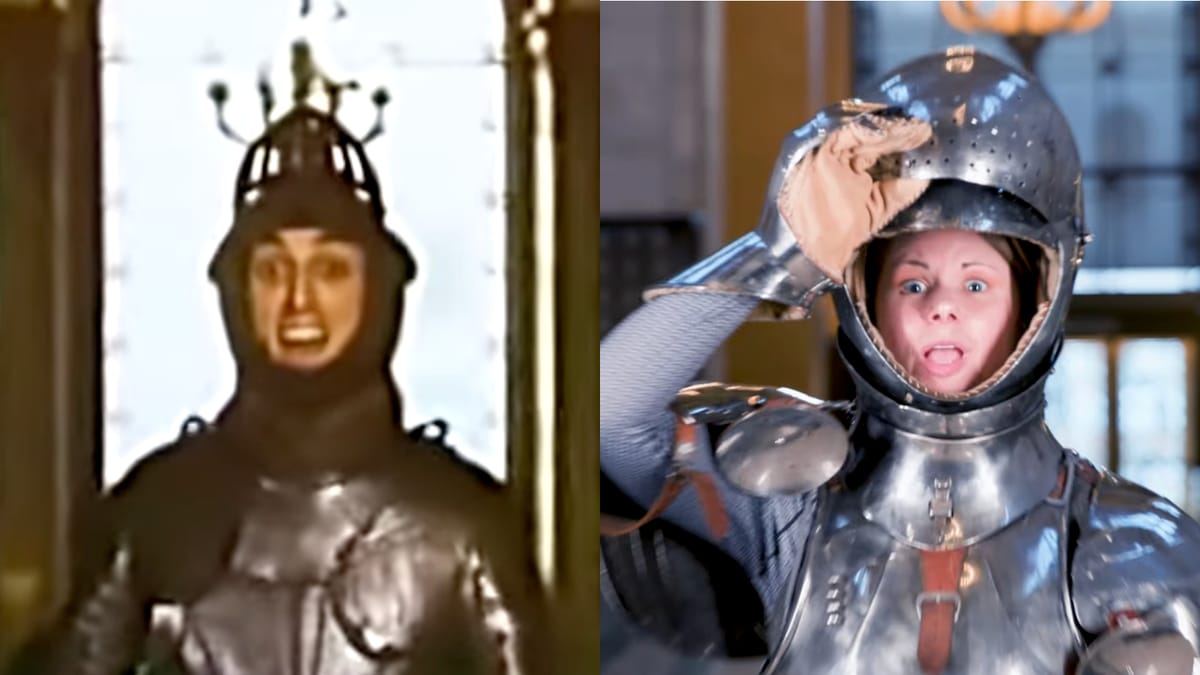
Nearly 50 years after it first aired on Michigan television, the Detroit Institute of Arts has released a shot-for-shot remake of its “You Gotta Have Art!” commercial, bringing back the jingle that viewers say they still remember by heart.
DIA’s new spot, released December 19, 2025, recreates the original 1976 television commercial with a new Motown-inflected remix, hundreds of new faces and familiar cameos and an updated list of artworks, as some are no longer on view.
The remake arrives as museums across the country place renewed emphasis on branding and engagement amid rising costs and shifting funding. Recent branding efforts at institutions, like the Philadelphia Art Museum, have highlighted how closely audiences identify with museum messaging and critically review them.
“Amazing that I remembered all the lyrics!” one commenter wrote beneath the new video, punctuating the sentiment with laughing and heart emojis.
The original commercial—set to a rewritten version of the Damn Yankees show tune “You Gotta Have Heart!”—ran frequently on local stations and public access television, embedding itself in the memories of generations of Detroit-area viewers.
“This always ran on Channel 7, Sunday mornings during the Abbott & Costello movie,” one YouTube commenter wrote recently under the original video. Another summed up the spot’s enduring appeal more succinctly: “This is how to advertise culture.”
The remake follows the same basic visual rhythm: museum visitors singing and dancing their way past some of the DIA’s most recognizable works, including paintings by Vincent van Gogh, sculptures by Auguste Rodin, works by Rembrandt, and, crucially, Diego Rivera’s Detroit Industry murals.
The artworks visible in 1976 that are no longer on view have been replaced with pieces drawn from the museum’s permanent collection today, including scenes set in the DIA’s recently reinstalled African American art galleries.
The museum in October relocated its African American art galleries from their former location in the North Wing on the second floor and freshly reinstalled them into four gallery rooms adjacent to the Diego Rivera murals in the central corridor of the museum to increase their visibility and accessibility.
Musically, the remake marks its clearest departure from the original. The familiar tune has been newly arranged with a Motown influence by Marion Hayden and Alvin Waddles, giving the song a distinctly Detroit sound while preserving lyrics long familiar to viewers.
Two performers who appeared in the original commercial return for brief cameo roles in the remake, once again appearing in the Rembrandt scene nearly 50 years later. Detroit artists Carole Harris and Allie McGhee, both featured in the 1976 version, also reappear.
The updated video also includes cameos by local artists including Mario Moore, Shirley Woodson and Tylonn Sawyer, along with performers from the Wayne State University Department of Theatre and Dance.
And, more than 200 museum employees participated in the production, a show of participation that comes at a pivotal moment, as staff are currently in the process of seeking union recognition under the name DIA Workers United.
DIA Workers United published an update the day before the commercial dropped, indicating some positive forward movement on its pursuit of voluntary recognition.
As of late December, the museum administration has acknowledged the request and expressed respect for the "legal right to organize," but they have not yet formally granted voluntary recognition.
Meanwhile, the online response has been overwhelmingly positive. Months before the remake was released, one commenter wrote under the original video: “They need to remake this.”
After the new version went live, viewers flooded the comments with gratitude and civic pride. “Thank you for bringing this back!” another commenter wrote.
While most comments praised the remake or shared memories of the original, another viewer simply said that “the original was better.”
Stories like this take time, documents and a commitment to public transparency. Please support independent arts journalism by subscribing to Urgent Matter and supporting our work directly.