Deputy AG pushes back after lawmakers name six in Epstein files
Among those named was billionaire art collector Les Wexner, whose ties to Jeffrey Epstein appear repeatedly in investigative records.

Among those named was billionaire art collector Les Wexner, whose ties to Jeffrey Epstein appear repeatedly in investigative records.
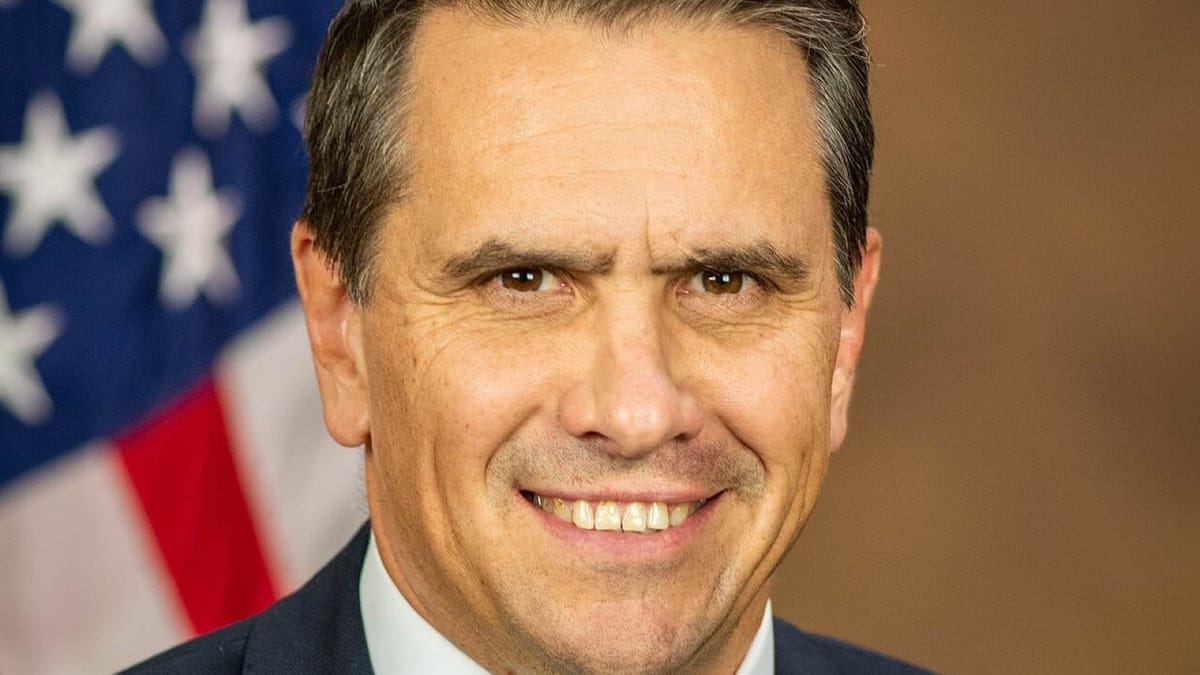
Todd Blanche, the deputy attorney general, has pushed back after lawmakers forced the disclosure of six names that had been redacted in files related to Jeffrey Epstein, recently released by the U.S. Justice Department.
Rep. Ro Khanna on Tuesday delivered a speech on the House floor in which he revealed six names that had been redacted in the documents. He later said on social media that he and Rep. Thomas Massie had compelled the Justice Department to unmask the identities.
“Rep. Ro Khanna and Rep. Thomas Massie forced the unmasking of completely random people selected years ago for an FBI lineup—men and women. These individuals have nothing to do with Epstein or Maxwell,” Blanche said in a post to social media, quoting Khanna's post.
A spokesperson for Blanche told The Guardian the file he referenced was a photo lineup used by federal prosecutors in New York for investigative purposes.
The document referenced by Blanche was published by Massie on social media. It includes multiple names, including Epstein and Ghislaine Maxwell, alongside individuals whose names were previously redacted. Such lineups are typically used for identification purposes and do not imply criminal charges.
In a separate unredacted FBI document marked “Unclassified // Law Enforcement Sensitive,” billionaire art collector Les Wexner is identified as a “co-conspirator.”
Wexner appears repeatedly in investigative records released by the government. He has formally been subpoenaed to testify before the U.S. House Oversight Committee’s probe into Epstein later this month.
The other men named with Wexner in the newly unredacted documents are Salvatore Nuara, Zurab Mikeladze, Leonic Leonov, Nicola Caputo and Sultan Ahmed Bin Sulayem—an Emirati businessman who resigned as chairman and chief executive of DP World on Friday. The company did not publicly link the decision to the Epstein disclosures.
 Adam Schrader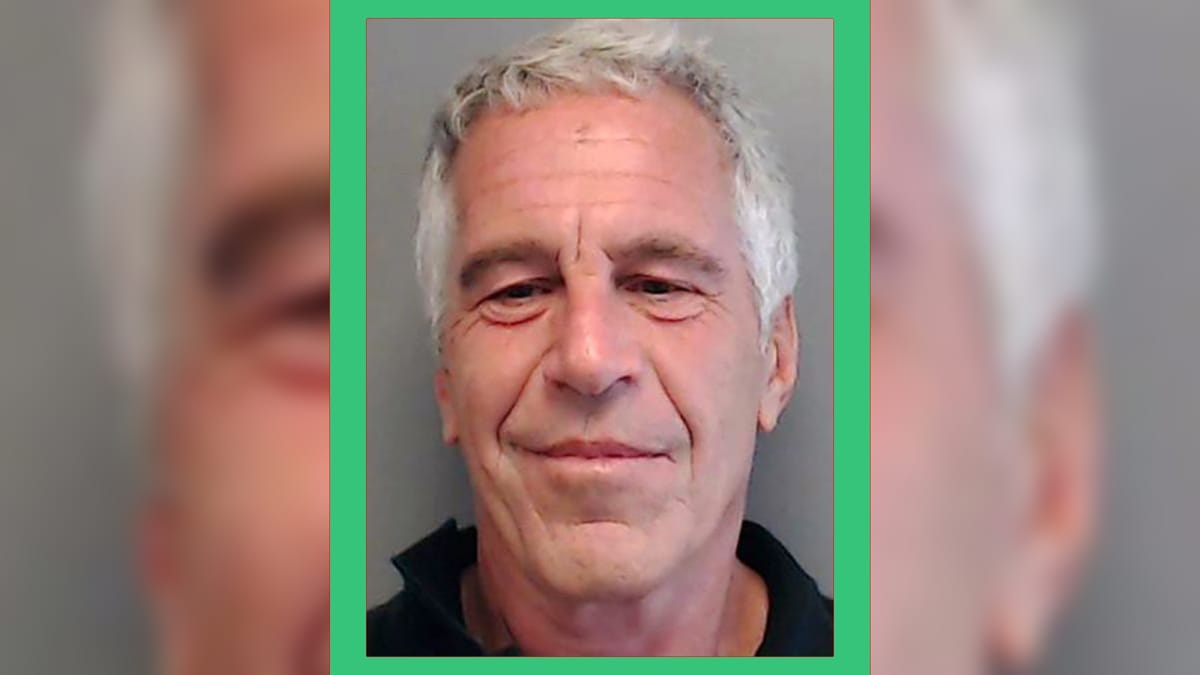
Two of the men reached by The Guardian, Nuara and Leonov, strongly denied knowing Epstein but acknowledged the NYPD had arrested them in the past for unrelated crimes. Caputo and Mikeladze could not be reached by The Guardian for comment.
Wexner, however, does have significant documented ties to Epstein.
In the early 1990s, Wexner granted Epstein sweeping power of attorney, giving him control over aspects of his finances and business dealings. Epstein also managed Wexner’s money for years and was closely tied to his philanthropic network.
After Epstein’s 2006 indictment in Florida became public, Wexner said he had severed ties and later described Epstein as having misappropriated large sums of his money. He has not been charged with any crime related to Epstein, but he has faced scrutiny in lawsuits and investigative reporting.
 Adam Schrader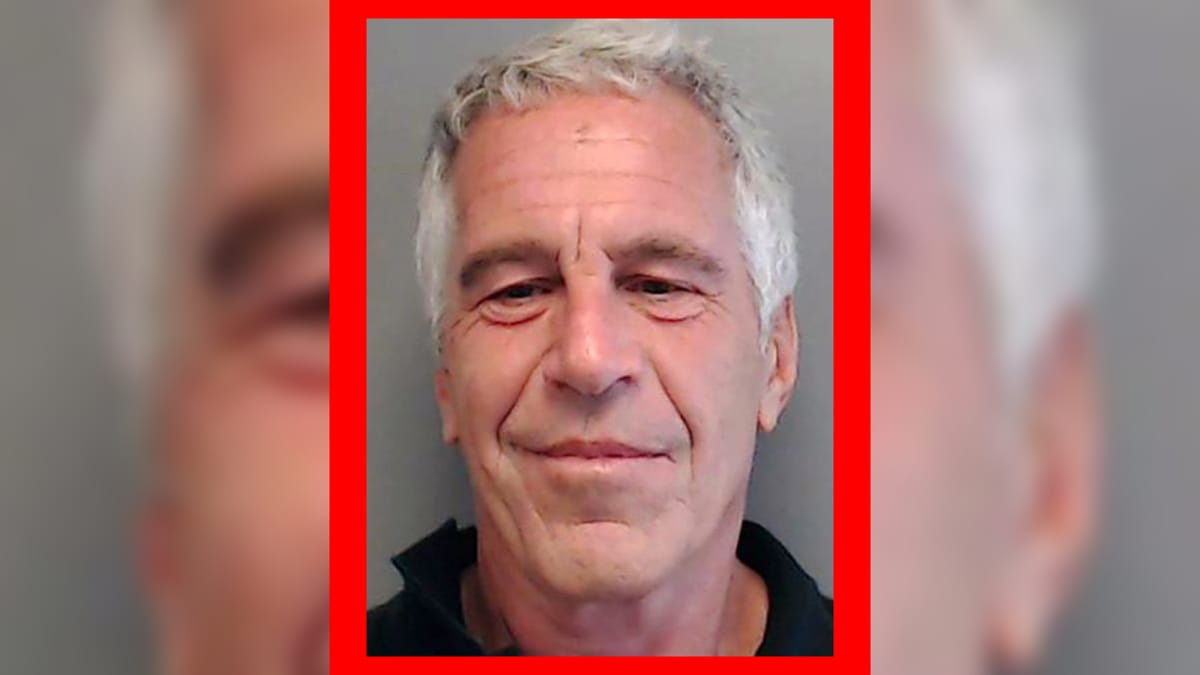
Documents released by the U.S. Justice Department in recent weeks responding to a law passed by the U.S. Congress last year include unverified tips received by the FBI naming Wexner, founder of Victoria’s Secret parent company L Brands, Urgent Matter previously reported.
The documents confirm that federal authorities tried to contact Wexner for a subpoena in July 2019 in relation to Epstein, around the time of Epstein’s arrest at Teterboro Airport in New Jersey.
A lawyer for Wexner indicated at the time that his office had been attempting to obtain a criminal defense attorney in New York for Wexner, who was planning to submit to an interview with FBI agents. The drafting agent was told subpoena service was no longer required because Wexner’s lawyer was coordinating the interview.
And the FBI records include a March 2019 email requesting photographs of people connected to Epstein. In it, agents listed “Leslie Wexner, (Ohio),” alongside Epstein and Ghislaine Maxwell. Other names included in the list were redacted. It was not immediately clear why Wexner’s name was not redacted.
That document did not describe the reason for the photo request and does not characterize Wexner as a suspect but indicated he was on law enforcement’s radar before Epstein’s arrest.
Among other documents involving Wexner in the latest release is a July 2020 intake form in which a tipster alleged Wexner had potentially underaged models do “private viewings” for him and Epstein.
Richard Adrian, a bodyguard for Wexner, submitted a tip to the FBI in 2019 and said “Wexner was best friends with Epstein.”
“Adrian stated he had been to Epstein's Palm Beach home and noted that there were young girls there, but assumed they were family,” the FBI intake form for that tip reads. “Adrian was told by another bodyguard to keep to yourself and not ask questions.”
In an affidavit from lawyer Alan Dershowitz alleging a potential extortion conspiracy, he revealed that a person identified as “Ms. McCawley” alleged that Wexner made a person, whose name was redacted, dress up "in baby doll lingerie of the type made by Victoria's Secret.”
Wexner was also named in media inquiries and civil filings related to Epstein between the early 1990s and the mid-2010s, recently released records show. Much of the content surfaced in prior legal proceedings or reporting, but is now compiled in one location.
Among mentions of Wexner is a transcript of a 2011 interview with Epstein victim Virginia Giuffre. In it, Giuffre was questioned by lawyers representing a group of Epstein’s victims about people they believed might have relevant information about his abuse of underage girls. Wexner was the first name asked by the lawyers.
“I think he has relevant information, but I don’t think he’ll tell you the truth,” Giuffre replied, according to the transcript.
And a lawsuit filed by an alleged Epstein victim in September 2016 included allegations from a woman who said she suffered sexual abuse in the early 1990s in Epstein’s Manhattan mansion, which was seemingly previously owned by Wexner and sold to Epstein.
Wexner built his fortune as the founder of L Brands, the company behind retail giants like Victoria’s Secret and Bath & Body Works and has since become a major collector of modern masters with his wife, Abigail.
The retail mogul has also been a long-time figure in the art world through the Wexner Center for the Arts at Ohio State University, a contemporary arts institution he helped found and continues to support through major gifts.
Stories like this take time, documents and a commitment to public transparency. Please support independent arts journalism by subscribing to Urgent Matter and supporting our work directly.