Dealer sued over fake art says longtime friend approved the buys
Court filing says longtime business relationship, not a criminal scheme, drove the disputed art purchases.

Court filing says longtime business relationship, not a criminal scheme, drove the disputed art purchases.
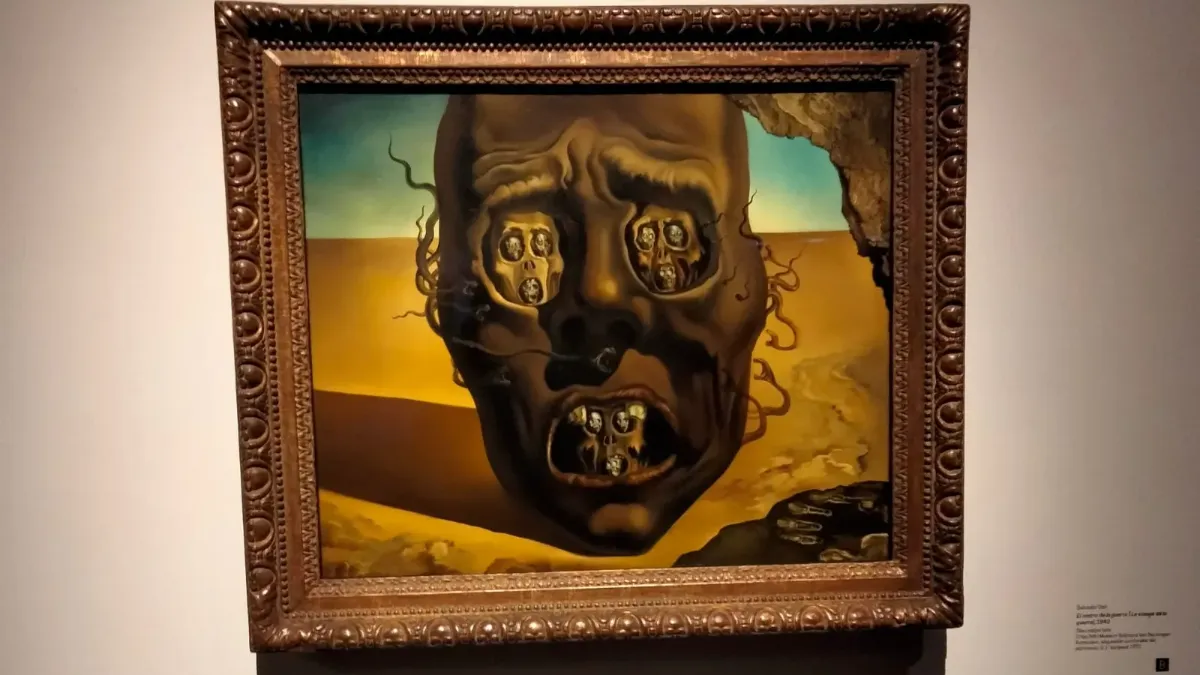
An Atlanta art dealer accused by his lifelong friend of running a multimillion-dollar counterfeit art scheme has fired back in court, denying wrongdoing and arguing that the museum and Malnik directed the purchases for decades.
Last week, Allan Baitcher and his company, Peachtree Antiques Inc., filed a 21-page response in the U.S. District Court for the Northern District of Georgia. They denied claims that they defrauded the so-called Beaux Arts Museum by selling fake art and laundering money through a sham appraisal network.
Instead, Baitcher cast the dispute as a long-running business relationship controlled by the Beaux Arts Museum’s sole benefactor, Alvin Malnik, a wealthy Florida collector.
“As an initial matter, the Plaintiff’s claims are without merit,” Baitcher and Peachtree Antiques said in their filing. He said he worked with Malnik and his company “cooperatively for decades to amass works of art, replicas and appraisals contained in Plaintiff’s collection.”
The full court filing is available to paid subscribers.
 Adam Schrader
The lawsuit, filed in November, seeks more than $20 million in damages. It accuses Baitcher of selling thousands of fake artworks and creating false museum officials, experts and authentication documents to support the scheme. The suit claims these actions broke federal and Georgia racketeering laws.
Baitcher’s response denied the main accusations and said the transactions were directed and approved by Malnik.
According to the filing, Baitcher and Malnik traveled together to buy art, met regularly at Malnik’s home and at the museum, and spoke “over a dozen times per day via phone” for years. He said they spent only funds provided by Malnik or the museum, and never diverted any money beyond an agreed annual fee of less than $100,000.
The response often highlights agency, meaning one party acted for another, as a key defense. Baitcher argued he was “authorized, expressly and implicitly,” to act as Malnik’s agent and that the museum later approved his actions, barring claims against him as a matter of law.
The filing also asserted that Malnik and the museum cannot show financial harm, a necessary element of racketeering claims.
 Adam Schrader
“Plaintiff has not suffered any financial injury which could flow from the complained of activity directed by Plaintiff and Plaintiff’s benefactor Al Malnik,” Baitcher said in his filing.
He also argued that the lawsuit should be thrown out for several legal reasons, including that the museum waited too long to sue, approved or accepted the deals at the time, waived its rights, failed to limit its own losses, and cannot now complain about transactions it helped create.
Some of the defenses challenge the racketeering claims directly. Baitcher said there was no criminal enterprise because the relationship was a “legitimate business relationship directed and governed by Plaintiff and its benefactor.” He also argued that the alleged acts do not show a pattern or ongoing racketeering activity, which is required by both federal and Georgia RICO laws.
The answer also seeks to distance Baitcher personally from liability, arguing that he acted solely as an officer and agent of Peachtree Antiques and therefore cannot be held individually responsible for the alleged misconduct.
One notable defense claims that Malnik himself controlled Baitcher’s business. Baitcher said that in 2014 or 2015, Malnik loaned Baitcher a “significant sum of money” and got a controlling interest in his property, including Peachtree Antiques and its profits. Based on this, he argued that Malnik was a “controlling figure in the enterprise” at the center of the racketeering claims.
When Baitcher admitted to certain facts, he used careful wording. He said he regularly spoke with Malnik by phone and agreed that they bought both original works and replicas as directed by Malnik and the museum. He denied that any of these purchases were dishonest or unauthorized.
Baitcher argued the claims fail as a matter of law and said the museum should not receive damages, attorneys’ fees, interest or other relief. No trial date has been set.
Follow along with other lawsuits at Urgent Matter's art lawsuit tracker.