Australian gallery to show exhibit of American artists amid rise in anti-U.S. sentiment
An Australian dealer and a New York–based organizer bring nine U.S. artists to Sydney.

An Australian dealer and a New York–based organizer bring nine U.S. artists to Sydney.
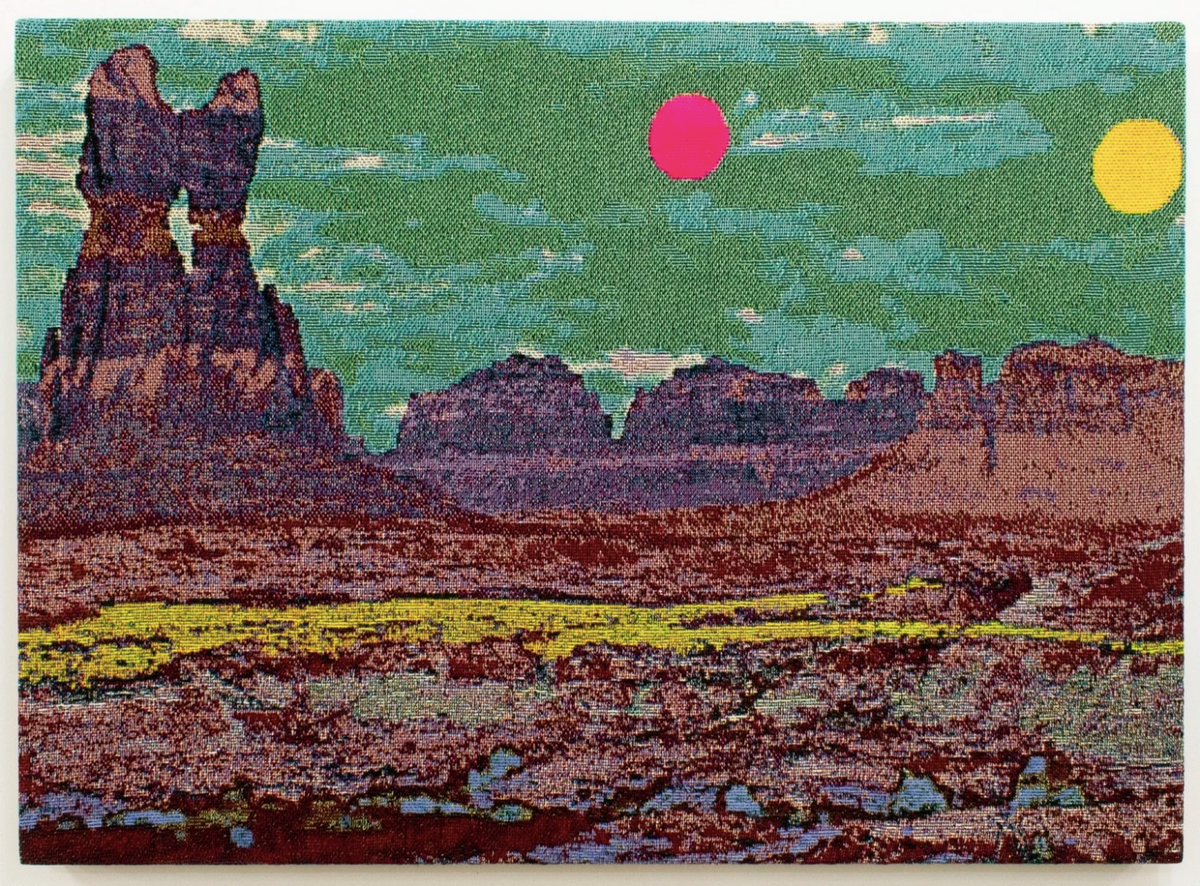
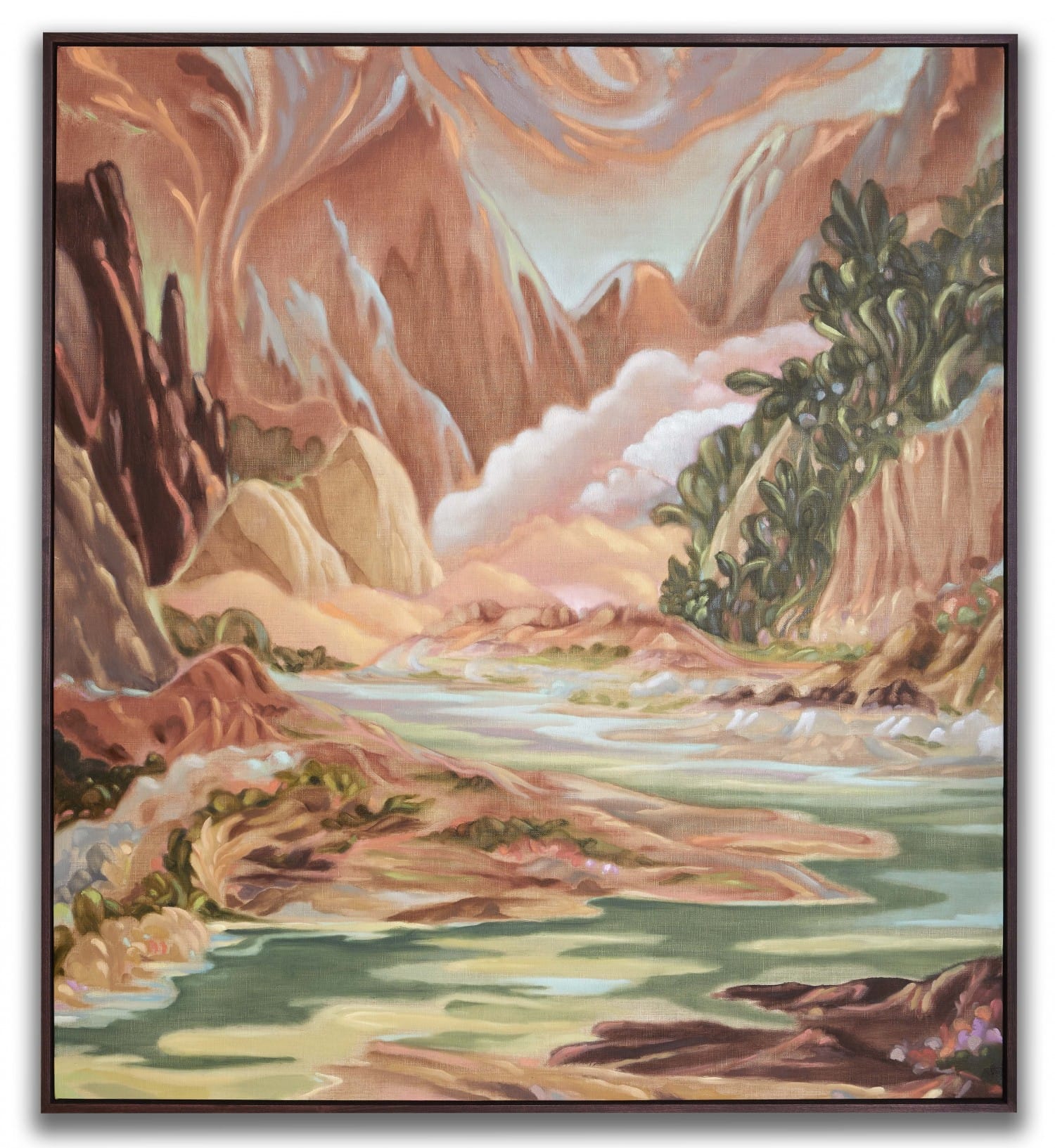
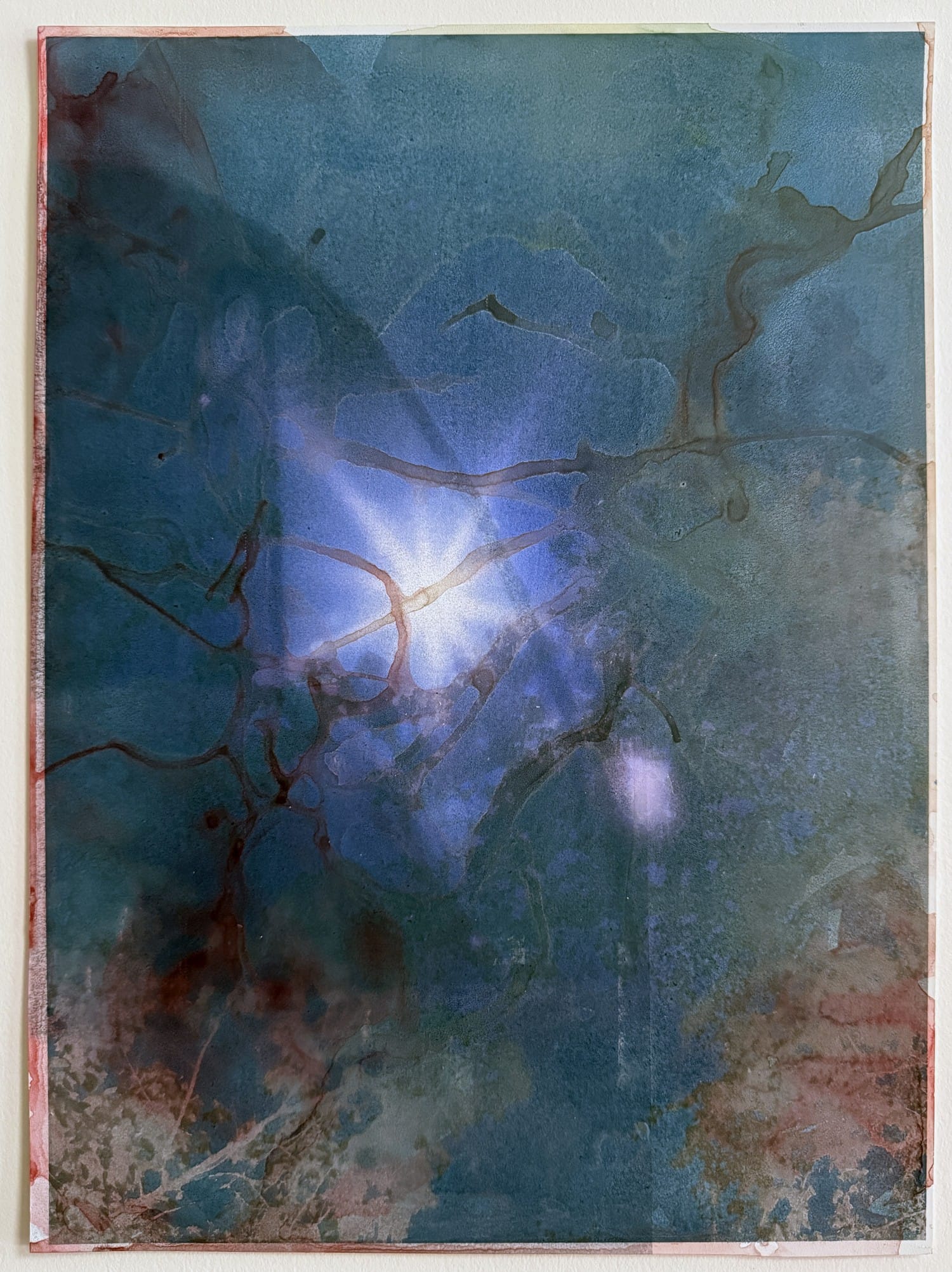
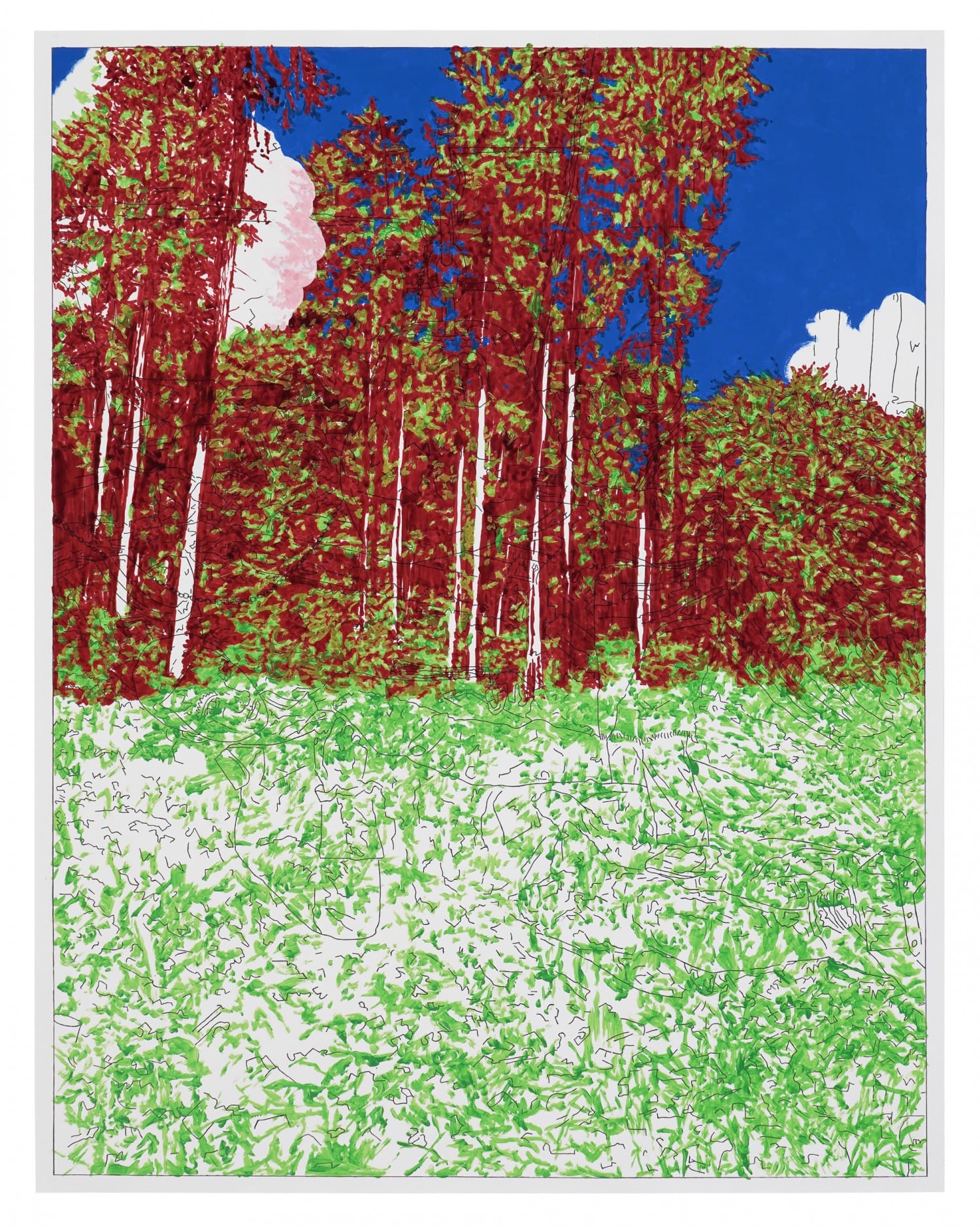
Darren Knight Gallery in Sydney is presenting an exhibition of landscapes by American artists amid rising anti-U.S. sentiment in Australia.
The show, titled “Rewilding,” is organized by John Melick, an Australian expat living in New York who founded the influential arts public relations firm Blue Medium. The show runs from February 7 to March 21, coincidentally aligning in part with the Biennale of Sydney.
“There's a lot of anti-American sentiment in Australia at the moment, like there is in plenty of other parts of the world,” Melick said. “I feel, Adam, as though this is a reminder of the universality of artist practice, and that there is a common language out there that connects at least artists, collectors, curators—the art world—to one another.”
Melick said that since the 2016 presidential cycle, he’s been regularly asked by people outside the United States about the ongoings of the American political system.
“But this is at a whole new level, just the way it is at a whole new level in the States at the moment. And I love the fact that Australians can be reminded there's a whole community of artists back in the States who are still doing their thing, plodding along, resisting both in a quiet way and a loud way,” Melick said.
He said that people abroad should embrace that about American artists, instead of attaching “bias” to where the artists are from.
Knight was asked if that anti-American sentiment factored into his decision to host an all-American show right now.
“This was something for me to think about, but the U.S. represented by the artists in this exhibition is not the U.S. currently dominating news headlines,” Knight said.
“I realized this project was another opportunity to remind ourselves of the qualities that unite us, rather than divide us and to remember the absolute necessity of individual artistic expression to the health, well-being and positive progress of society.”
For Melick, the exhibition marks a personal and professional departure. Best known for building artists’ careers through public relations, he said “Rewilding” is the first exhibition he has ever organized.
“I’m pretty excited about it, but I’m also really nervous. I’ve never organized a show before,” Melick said. “I just felt primarily like I wanted to, leverage is a bad word, but sort of trade on a lot of the relationships I have in the States with artists, and think about how I could export them to Australia.”
Melick said the idea grew out of a broader desire to spend more time in Australia while remaining active in the art world.
“I just thought this would be a great chance at my stage of life and career,” he said. “If I was going to experiment with doing something different but still within the art world, this would be the right place to do it.”
The project took shape after a meeting with Knight in June, when Melick floated the idea of organizing an exhibition in Sydney. About a month later, Knight invited him to formally pitch a show.
“I know all of the artists, either personally or professionally,” Melick said. “I worked with them in some capacity in the past, and the original list was much larger.”
Knight helped narrow the exhibition from roughly 30 artists to nine, shaping what Melick described as a clearer arc across the gallery while maintaining diversity in both artistic approaches and geographic backgrounds.
“In terms of figuring out the selection, price points also mattered as well, because the exchange rate is pretty harsh at the moment,” Melick said. “And you've got to pay tax bringing work into the country even before it's sold.”
Those practical constraints, he said, were inseparable from the project.
“I had to consider those aspects of it as well in putting together the show,” he said.
All of the selected artists were born between 1957 and 1982, and all of the works were made between 2020 and 2025—a period Melick said was central to the exhibition’s premise.
“These people, sort of in that pandemic and post-pandemic period, re-engaged with nature and landscape as subject matter,” Melick said. “And so did Australian artists.”
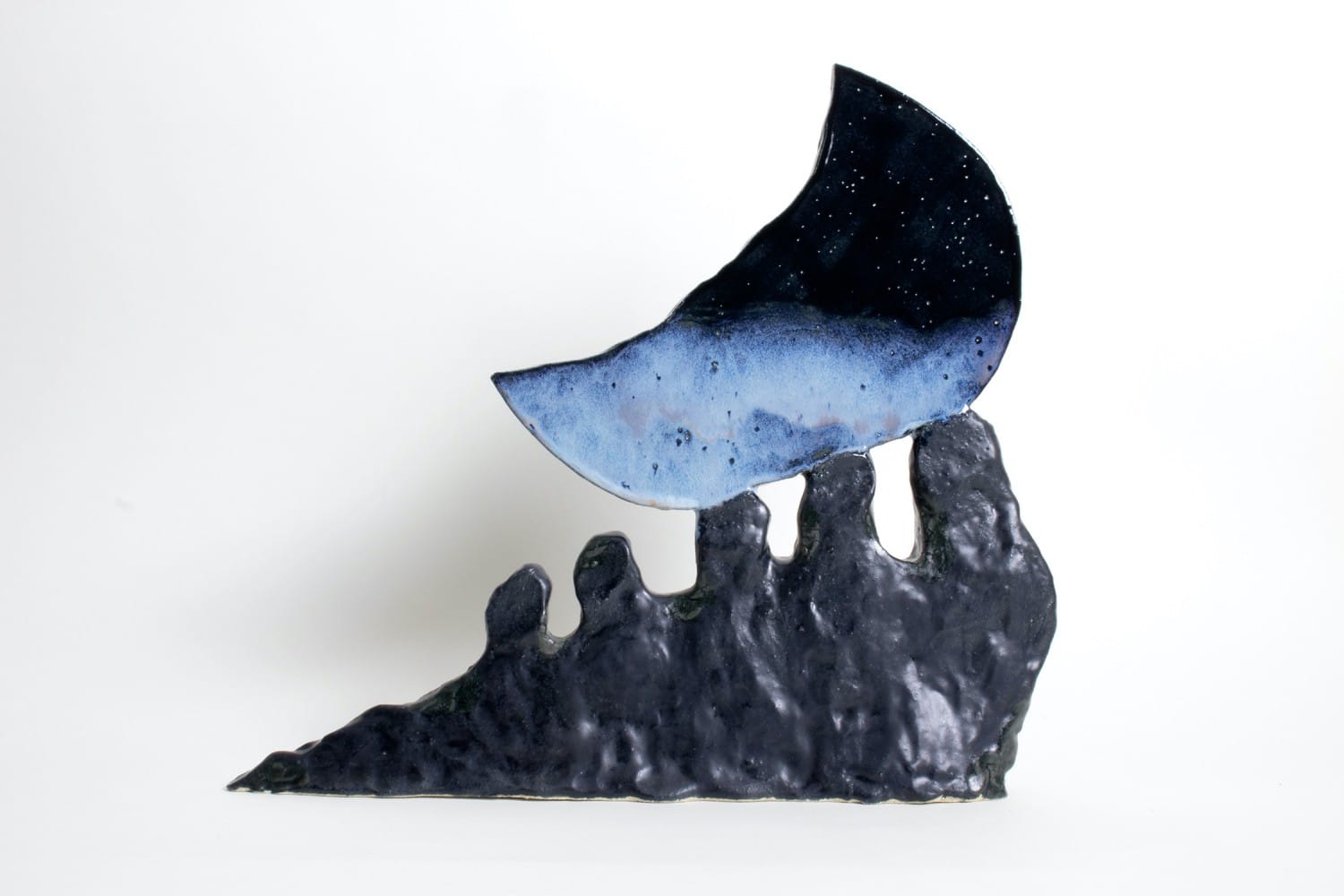
Some of the artists, he said, had not worked with landscape in years—or ever. Melick said the turn toward landscape reflected a broader retreat from urban life during extended lockdowns. He cited artists such as Mary Temple and Kate Shepherd as examples of that shift.
“They were very much urban artists before that,” Melick said. “Very much focused on New York City as their playground.”
Human presence is largely absent from the exhibition, he said, though not entirely erased.
There are two artists who include evidence of humanity in the show, Melick said, pointing to David Opdyke and Kasper Kovitz. Opdyke’s work, he said, deals directly with environmental destruction, while Kovitz incorporates muted human figures beneath layered landscapes.
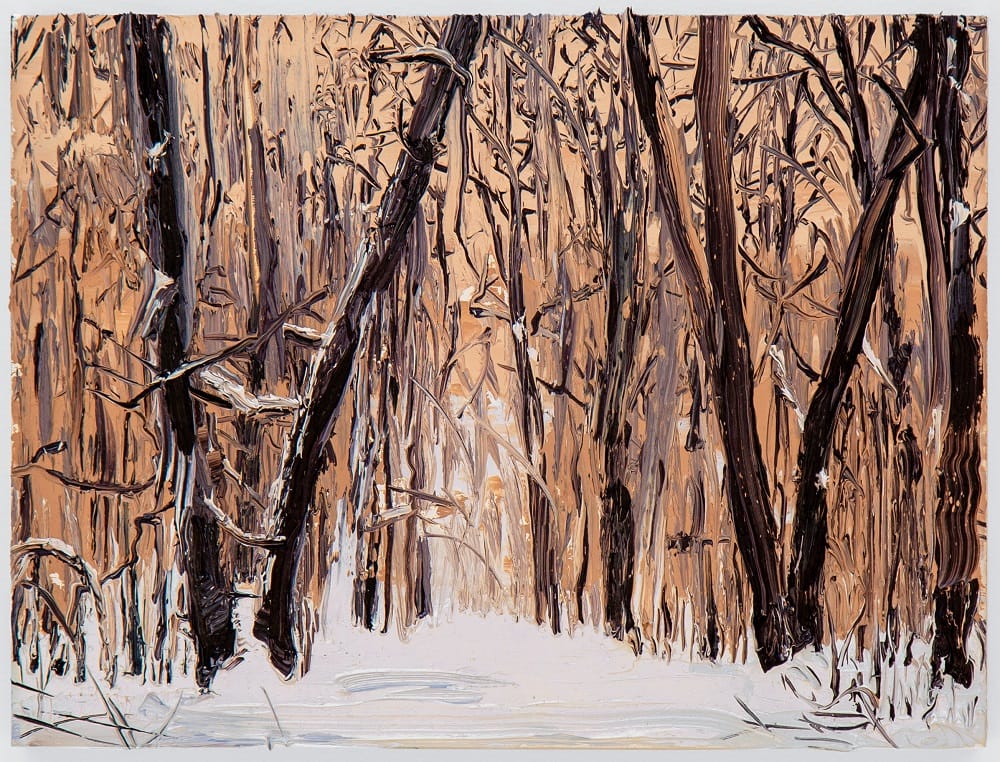
“It’s very much nature-dominated,” Melick said. “And nature, even if there is a human form, nature takes over.”
The exhibition’s title, “Rewilding,” was inspired in part by Opdyke’s work.
“There’s one particular work in the show where there’s this monument, this statue,” Melick said. “And there’s flora starting to consume it and reclaim it.”
Across the exhibition, Melick said, the works move along a wide emotional range.
“It’s that total spectrum and that arc, from something that’s the subtext is very much apocalyptic to work that is more, in some respects, appears bucolic and serene,” he said.
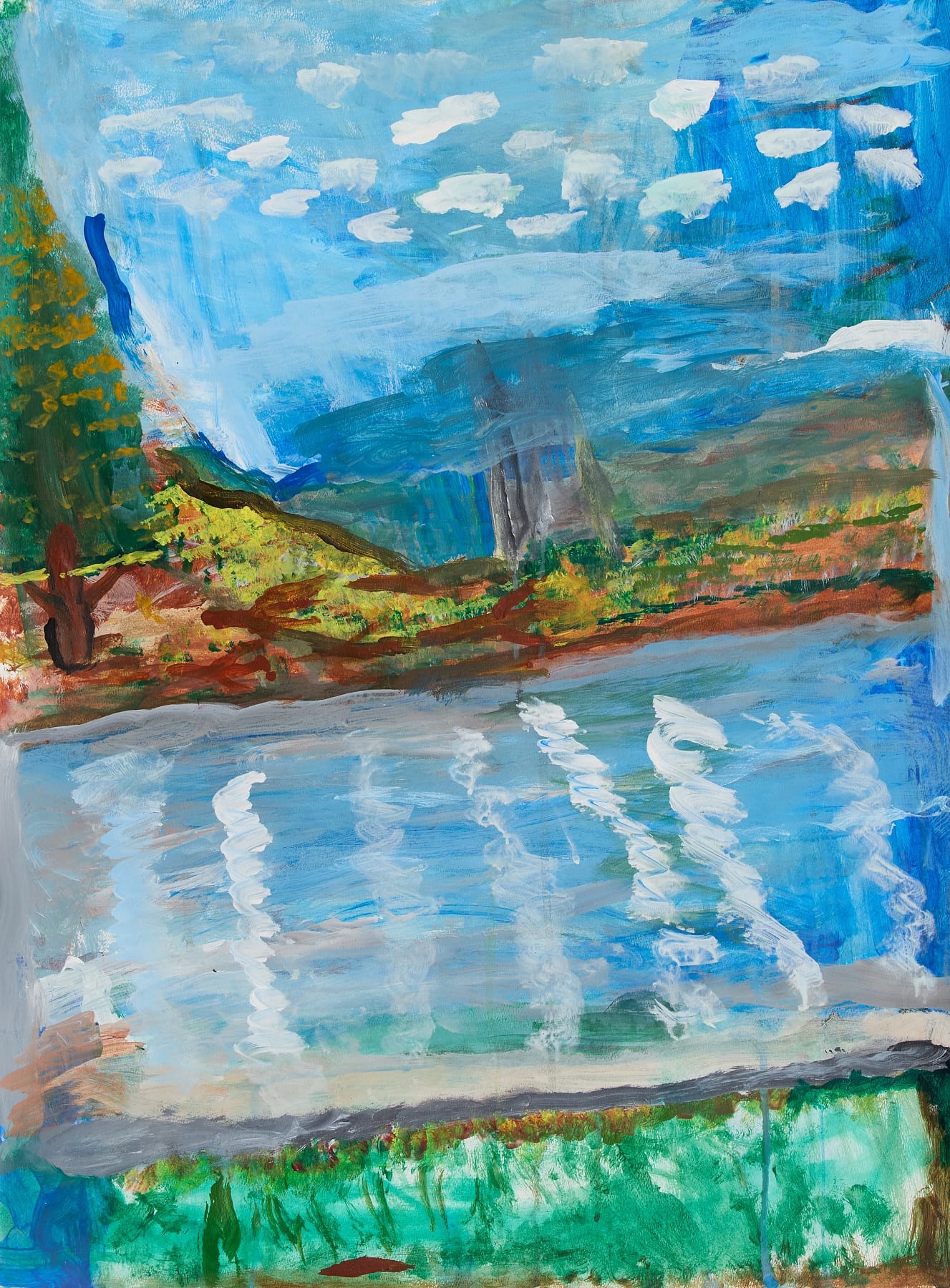
Melick said he deliberately resisted positioning himself as a curator.
“I very much want to emphasize that I organized this show. I didn’t curate it,” he said. “I’ve always had an incredible respect for people who earn their stripes as a curator, and I haven't. I'm not there.”
Melick said the distinction matters, particularly in a commercial gallery context.
“This is a commercial show,” he said. “It does rub me up the wrong way if they don’t have a sort of bona fide curator curating a show when people call it a curated show.”
Because the exhibition is taking place in a gallery rather than a museum, Melick said market considerations were unavoidable.
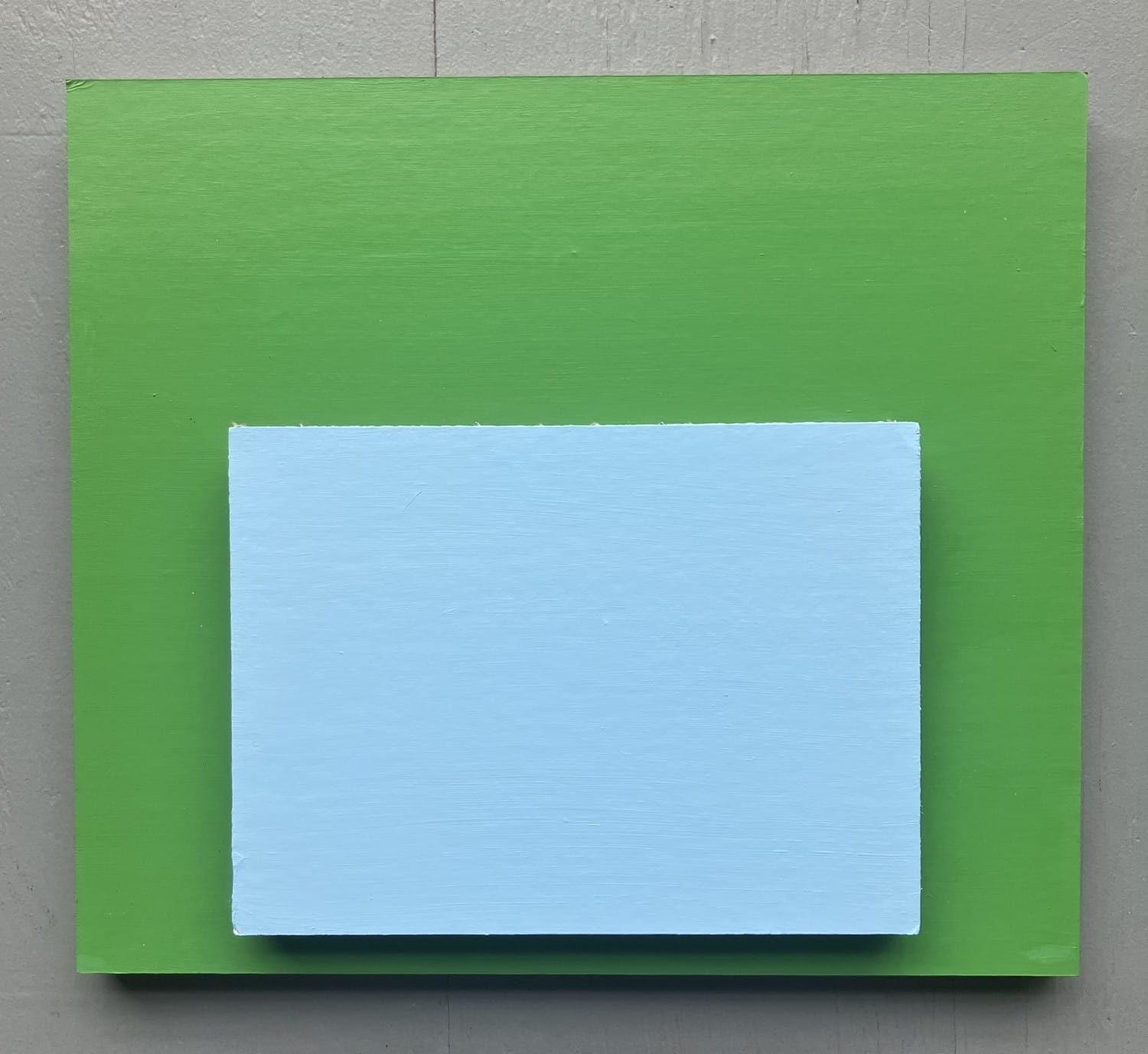
“I have had to consider things like the price points and what’s good for this market,” he said. “So, they’re considerations that you perhaps would not have to make in a non-profit milieu.”
Shipping costs and import taxes, he said, made bringing American work to Australia especially difficult.
“It’s cost-prohibitive, especially on the commercial level, to get a lot of American artists to show here,” Melick said.
Knight said the risks were familiar.
“The reality is that most of the exhibitions we present involve commercial risks,” Knight said. “So that’s nothing new and it’s what keeps things interesting for me.”
Knight said he enjoys working with outside organizers and galleries when opportunities arise.
“It keeps our program fresh and in this case, contributes to the dialogue between the local audience and artists from beyond our shores,” he said.
Melick said the timing, overlapping with the Biennale of Sydney, was fortunate.
“There’ll be a lot of people in town during that period,” he said. “People from the Asia-Pacific area coming in.”
Beyond the immediate exhibition, Melick said he hopes the project can spark longer-term exchange.
“I’m not an ambassador by any stretch, just the way I’m not a curator,” he said. “But if I can leverage my contacts and connections the way I am to sort of keep the conversation going, even between New York and Sydney, I’d be thrilled.”
He said the political climate has sharpened the stakes.
“Just the way the culture wars started in the States, and their politicized exhibitions—that is happening here, too,” Melick said. “And there’s ways to resist that.”
Sometimes, he added, that resistance comes through commercial spaces.
“Sometimes the commercial platforms can be really, really relevant and really important,” Melick said. “I really believe that.”
Correction made at 9:35 p.m. on January 22, 2026: An earlier version of this article said the show deliberately coincided with the Biennale of Sydney. The scheduling alignment with the biennale was coincidental.
Stories like this take time, documents and a commitment to public transparency. Please support independent arts journalism by subscribing to Urgent Matter and supporting our work directly.