Artist Tai Shani withdraws Phaidon book deal over Leon Black’s Epstein ties
Black, who has owned Phaidon since 2012, was extensively named in recent Epstein files released by the U.S. Justice Department.

Black, who has owned Phaidon since 2012, was extensively named in recent Epstein files released by the U.S. Justice Department.
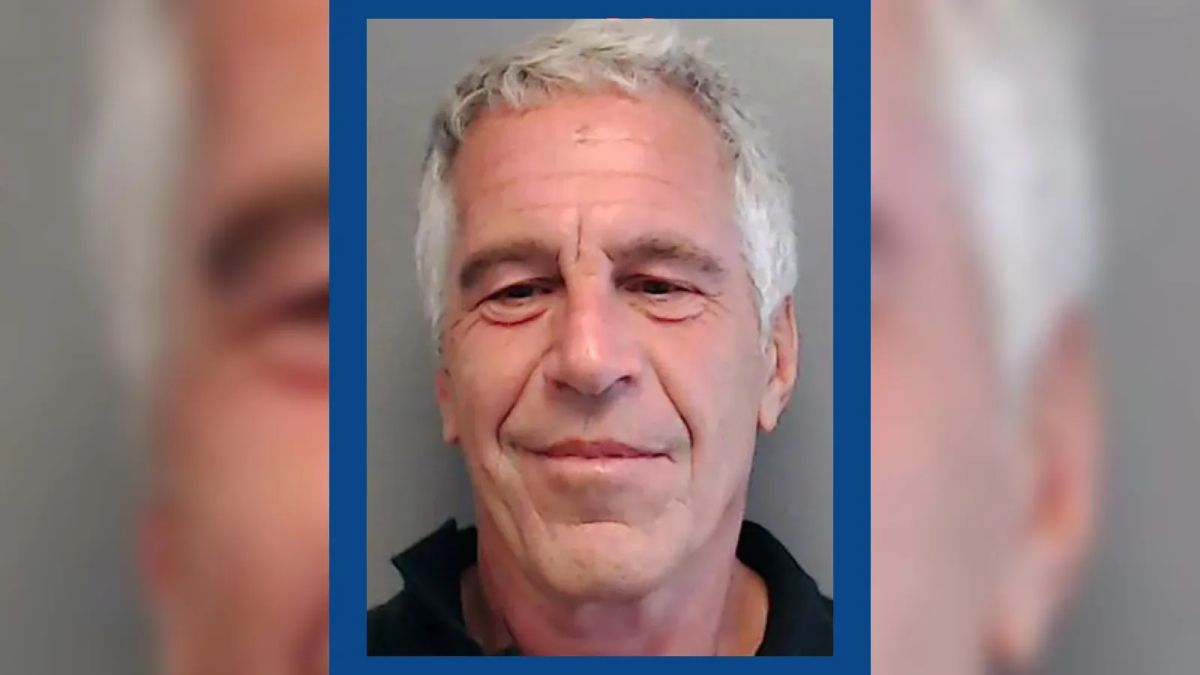
British multidisciplinary artist Tai Shani has withdrawn from her book deal with Phaidon over former Museum of Modern Art chairman Leon Black’s ties to convicted sex offender Jeffrey Epstein.
Black, who has owned Phaidon since 2012, was extensively named in recent Epstein files released by the U.S. Justice Department, including explicit details of the alleged sexual abuse of at least three women, one of whom was a minor, as Urgent Matter first reported.
“I have decided to withdraw my monograph from publication with Phaidon. The recently unsealed Epstein files contain numerous horrific allegations against Leon Black,” Shani wrote in a post to Instagram on Tuesday.
“Behind these allegations, whose specifics many of us have read with horror, behind the geopolitical implications, the many unsurprising ties to the art world, behind the gossip, behind the observations about global networks of power, behind the spectacle of violence are human beings, victims: young women, children, often from precarious backgrounds, real lives exploited and destroyed.”
 Adam Schrader
Scrutiny into Black’s ties to Epstein first surfaced in July 2019, after Epstein was arrested and hit with sex trafficking charges. Epstein had previously pleaded guilty to two charges of soliciting prostitution, one involving a minor, in Florida a decade earlier.
In 2021, Black resigned from his private-equity firm, Apollo Global Management, after an investigation found he paid Epstein about $158 million between 2012 and 2017 for tax and estate planning advice. Black later paid $62.5 million to the U.S. Virgin Islands to settle Epstein-related claims.
Beyond the allegations against Black, Phaidon is extensively referenced in the Epstein files, at least 1,652 times according to a keyword search, showing how Epstein was involved in the financial and tax structure of Phaidon.
Documents released by federal authorities show that Phaidon was owned through a layered network of holding companies and family trusts ultimately controlled by Black.
At the top of the structure was an entity fully controlled by Black. That entity held nearly all of Phaidon Global, which in turn controlled Phaidon’s U.S. and U.K. operating companies. Through that chain, Black controlled Phaidon Press Limited, the London-based publisher known for its art and design books.
A September 2014 memo included in the released files shows that a credit facility between Black Family Partners LP and Phaidon Global LLC was past due and had expired. The memo states that “Phaidon Press/Inc. lacks sufficient resources to adhere to provisions thereby leading to default,” and describes the company as cash-flow negative with high seasonal requirements.
The memo proposes restructuring funding so that trusts would lend directly to Phaidon Press or fund Phaidon Global, which would in turn lend to the operating company.
The financing discussion provides additional context for why detailed corporate charts and money-flow diagrams were being circulated within Black’s financial network and shared with Epstein, who at the time was advising Black on tax and estate matters.
Emails in the files show that Brad Wechsler, a long-time associate of Black, sent Epstein detailed corporate charts outlining Phaidon’s ownership, governance structure and internal money flows.
In a 2015 message, Wechsler attached diagrams showing the trusts, acquisition vehicles and management entities behind the publisher and suggested a conference call to walk Epstein through them.
 Adam Schrader
In a separate exchange, Epstein asked who controlled Phaidon Global and which entity had sold stock. He was told that an entity owned 100% by Black controlled the company, confirming Black’s authority over the publishing business.
The documents also show discussions about opening bank accounts for U.K. holding companies tied to Phaidon, reviewing corporate authorizations and examining fund transfers between entities.
Separate valuation materials describe Phaidon Press Limited as a global publisher with more than 1,500 titles in print as of 2014, focused on art, photography, design, architecture, fashion and food.
Meanwhile, billionaire art collector Les Wexner testified Wednesday before members of the U.S. House Oversight Committee in a closed-door deposition at his estate in New Albany, Ohio, about his long financial relationship with Epstein.
"There is no single person that was more involved in providing Jeffrey Epstein with the financial support to commit his crimes than Les Wexner,” Rep. Robert Garcia, the ranking Democrat on the committee, said in a televised press conference afterward.
Garcia, posting on social media, added that the deposition clarified the scope of Wexner’s relationship with Epstein.
“Today’s deposition made one thing clear: There would be no Epstein Island, no Epstein plane, and no money to traffic girls without the financial assistance of Les Wexner,” he said.
“We are committed to ending this White House cover-up, which protects criminals and billionaire benefactors.”
Stories like this take time, documents and a commitment to public transparency. Please support independent arts journalism by subscribing to Urgent Matter and supporting our work directly.