AMNH sues sightseeing pass company over $548K in unpaid tickets
The ticketing partnership unraveled after missed payments, a partial settlement attempt, and the company’s abrupt shutdown.

The ticketing partnership unraveled after missed payments, a partial settlement attempt, and the company’s abrupt shutdown.
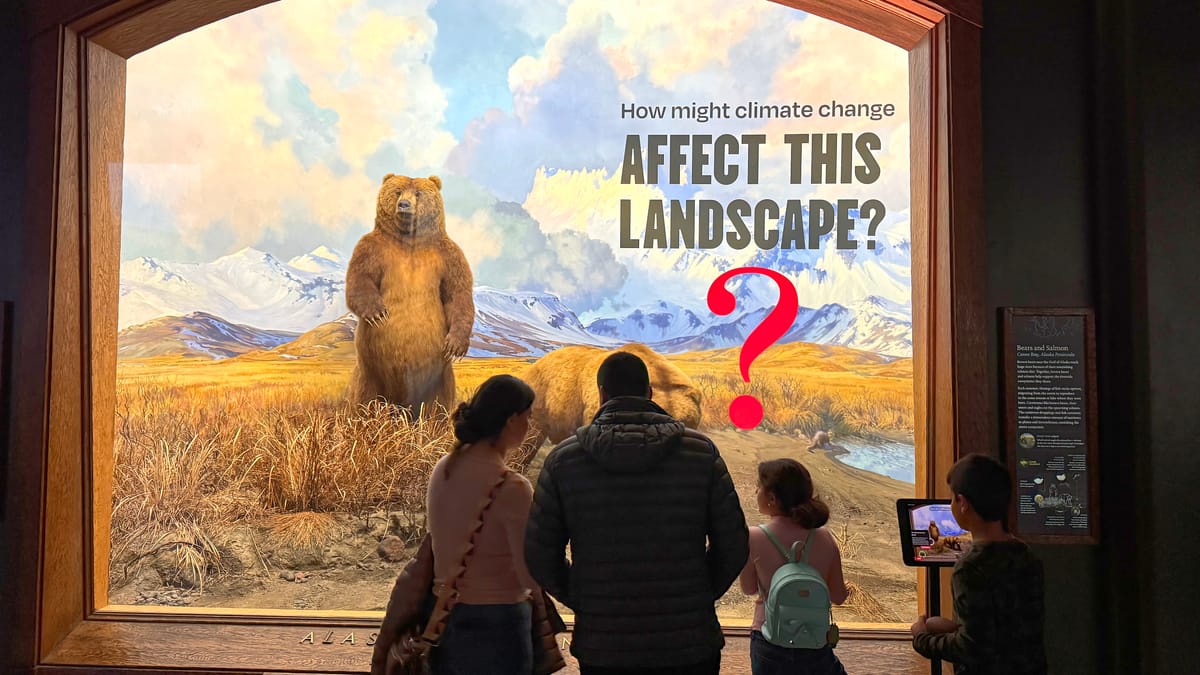
The American Museum of Natural History in New York City has sued a sightseeing pass company, accusing it of racking up more than half a million dollars in unpaid admission fees before suspending operations last year.
The museum alleged in its lawsuit obtained by Urgent Matter that Twin America and its affiliate Sightseeing Pass stopped paying for tickets to the museum in October 2024, leaving a balance of $548,455.55, despite continuing to send visitors using prepaid passes.
“The revenue AMNH receives from sales of tickets to the public is vital to its ability to fulfill its charitable and educational non-profit mission and for its continued operations,” the museum said.
The museum said that through the support of its members, donors, and grants, it is able to offer discounted ticket programs for seniors, students and children as well as maintain its pay-what-you-wish for general admission tickets model for New York residents.
Paid subscribers can read the full document.
 Adam Schrader
“Engaging with external partners on ticket sales, then, is one way the museum expands its marketing reach and visibility across different audiences, attracting new visitors and generating additional revenue,” the museum said.
“AMNH therefore participates in ticketing programs that it has negotiated with third parties, including where AMNH has effectively agreed to accept a discounted ticketing rate in light of the large number of sales the third parties make.”
The museum said it entered into such a ticketing partnership with Twin America in 2012, with its affiliate Sightseeing Pass taking over the primary responsibility for fulfilling the terms of the partnership in 2016.
The museum said the companies sold passes that allowed tourists to visit multiple attractions, including the American Museum of Natural History, in exchange for monthly payments to the museum based on how many of those passes were actually used.
Under that arrangement, the museum accepted the passes as “vouchers” for admission and billed the companies each month at a discounted rate tied to visitor volume.
The museum said cracks in the arrangement began to surface in 2021 when Twin America and Sightseeing Pass first began to fall behind on payments. That period coincided with the COVID-19 pandemic, which disrupted tourism and cultural institutions worldwide.
“After discussions amongst themselves, AMNH, Twin America, and Sightseeing Pass resolved their dispute,” the museum said, with the partners resuming monthly payments.
But in October 2024, Twin America and Sightseeing Pass stopped making payments altogether and racked up unpaid invoices totaling $598,455.55, the museum said, adding that it repeatedly sought to negotiate with the partners but heard back only sporadically. Eventually, in May 2025, AMNH received just one lump-sum payment of $50,000.
Twin America, Sightseeing Pass and other affiliated entities informed the museum the following month, in June 2025, that operations would be suspended the following day.
The museum said it treated the agreement as terminated around that time but continued honoring passes that had already been sold, allowing visitors to enter even as payments stopped.
The lawsuit accuses the companies of breaching their agreement by failing to make the required monthly payments for tickets used by visitors. It also argues that the companies effectively acknowledged the debt by accepting invoices without objection and making the partial $50,000 payment.
AMNH now seeks to recover the $548,455.55, plus interest, that it said it is owed, arguing that Twin America and Sightseeing Pass breached the contract and that payment obligations had already accrued before they announced they would cease operations.
It also argued that, even if the contract claim fails, the companies still benefited from letting their customers into the museum and should pay the fair value of those admissions.
Last April, New York Attorney General Letitia James secured more than $2.5 million from sightseeing bus operators, including Twin America, over alleged anti-competitive agreements that reduced competition and limited options for tourists.
Follow along with other lawsuits at Urgent Matter's art lawsuit tracker.